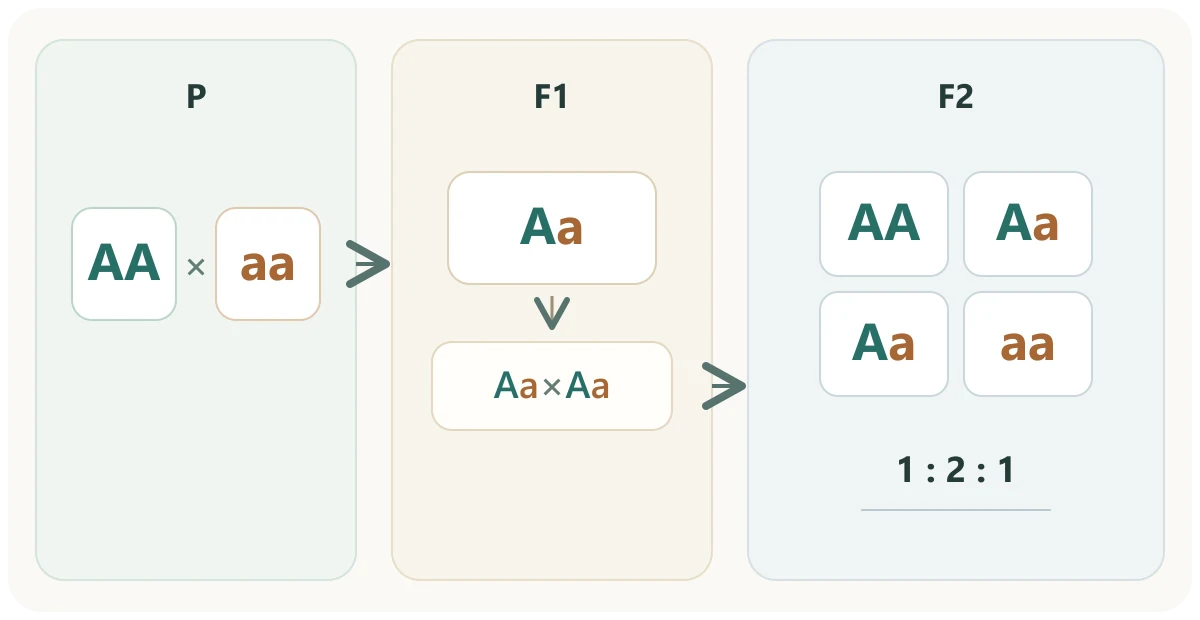
Topic F

Horticulture and Crop Topics

This section collects crop profiles and the plant science behind horticultural practices. Specific plants such as Phalaenopsis, tomato, strawberry, and rice connect back to the A-E foundations.

Crop profilesHorticultural conceptsPhalaenopsis topic
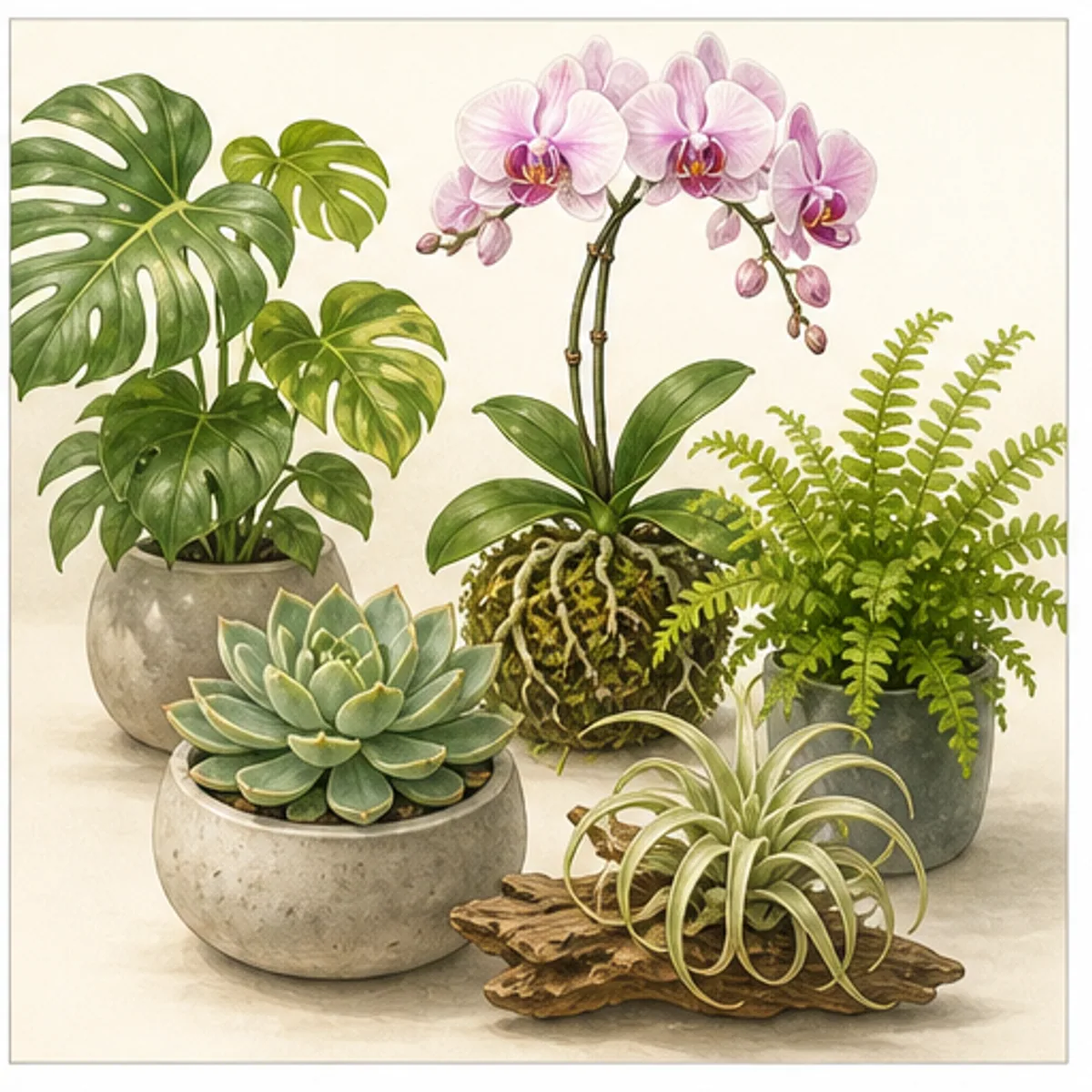
A concept image for Phalaenopsis orchids and horticultural crop topics

Reading Path

Use crops and horticultural practices to return to plant science

Each topic gives a simple route first, then connects to individual articles.

01 / Crop profiles

Start with crop-by-crop overviews

Use a concrete plant, such as Phalaenopsis or tomato, to build a whole-plant view before moving into narrower topics.

02 / Practice concepts

Explain the reasoning behind horticultural practices

Breeding, selection, thinning, pruning, and repotting are treated as concepts, not guaranteed prescriptions.

03 / Back to basics

Connect each topic back to A-E

Crop topics should link back to organs, physiology, reproduction, gardening phenomena, and growing environments.

Available Now

English Articles

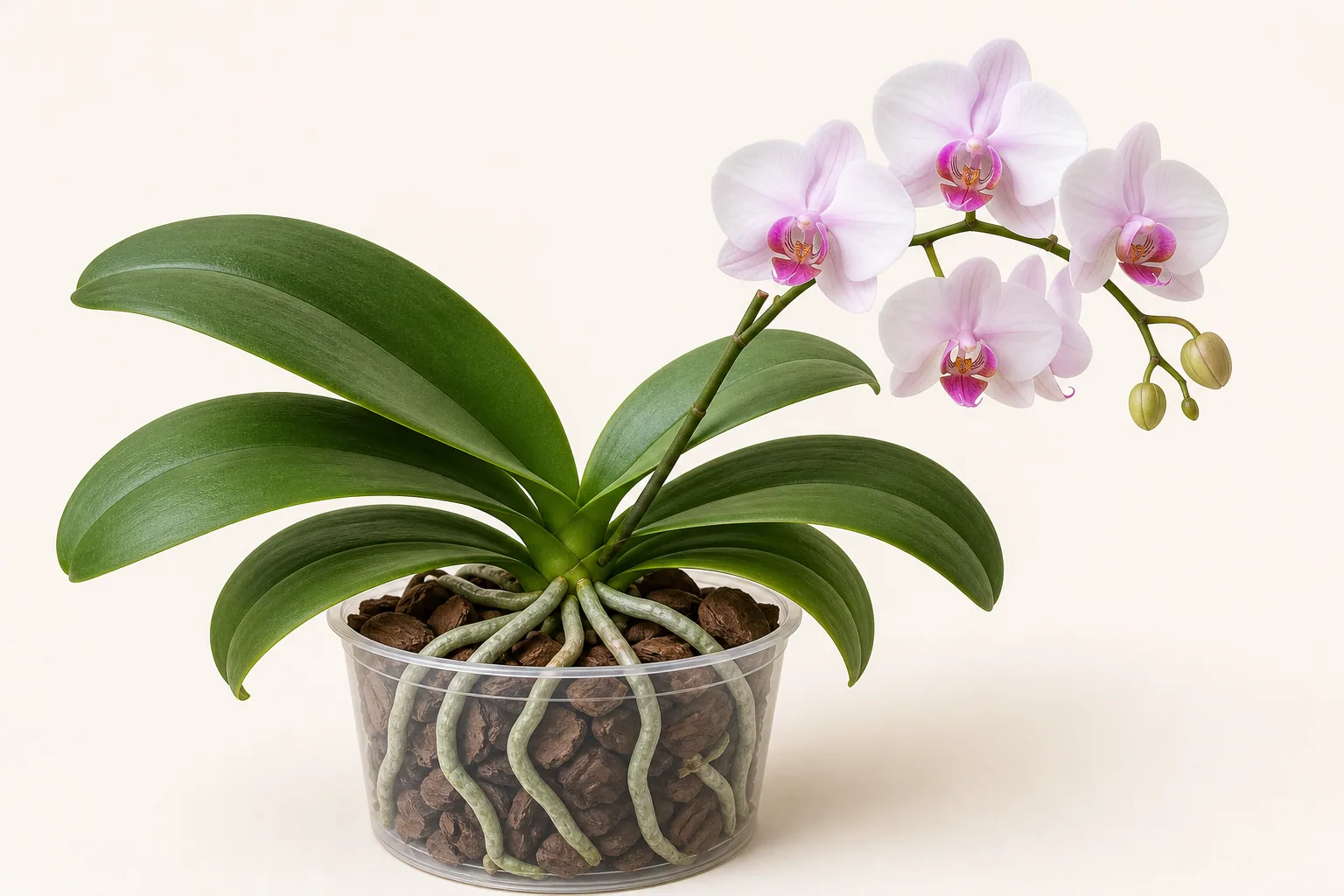
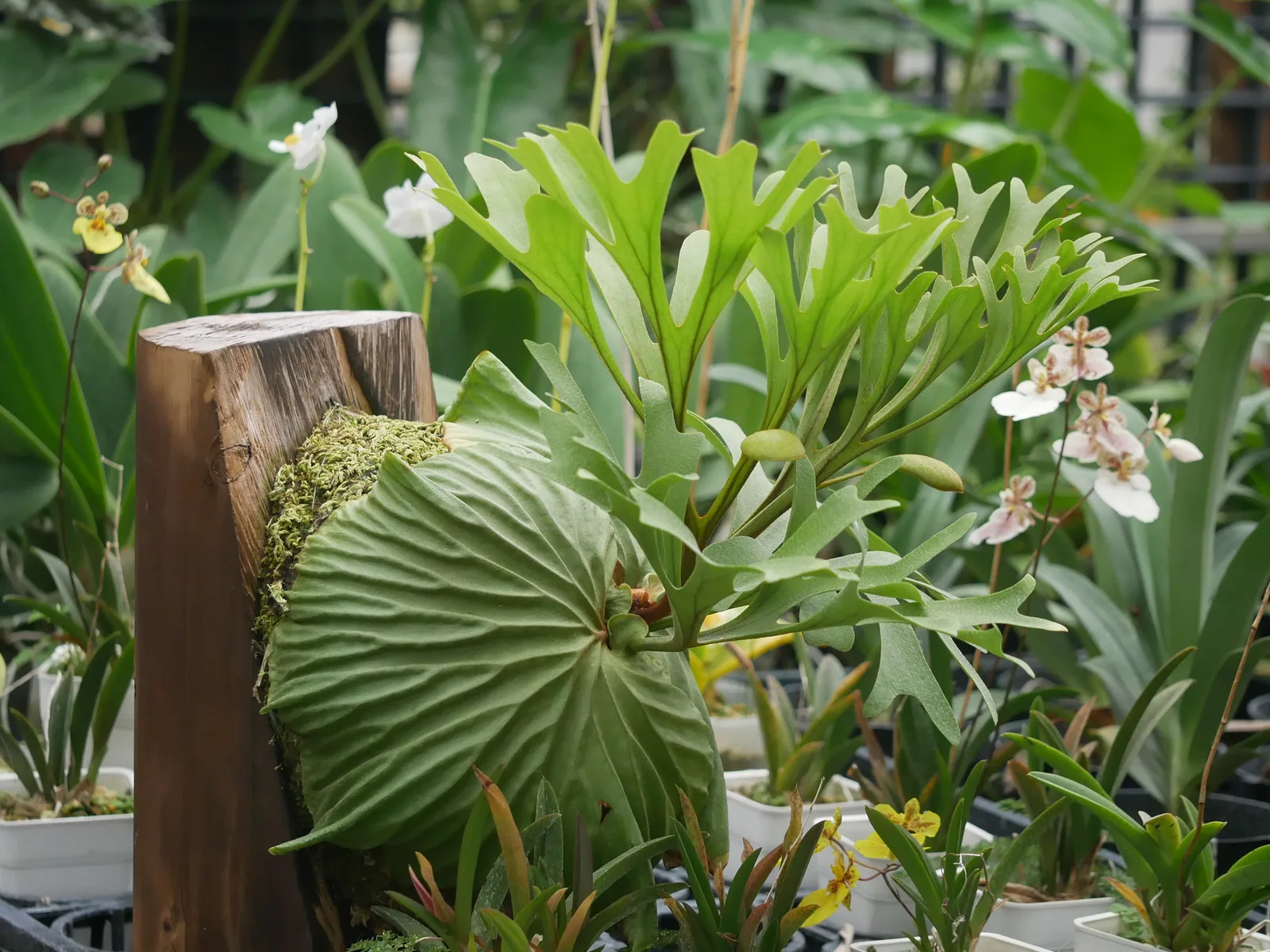
Teaching image for What Is a Phalaenopsis Orchid? What Is a Phalaenopsis Orchid?

Phalaenopsis orchids are familiar moth orchids with thick leaves, fleshy aerial roots, short stems, and showy flower spikes. This beginner guide explains their structure without turning it into a care prescription.

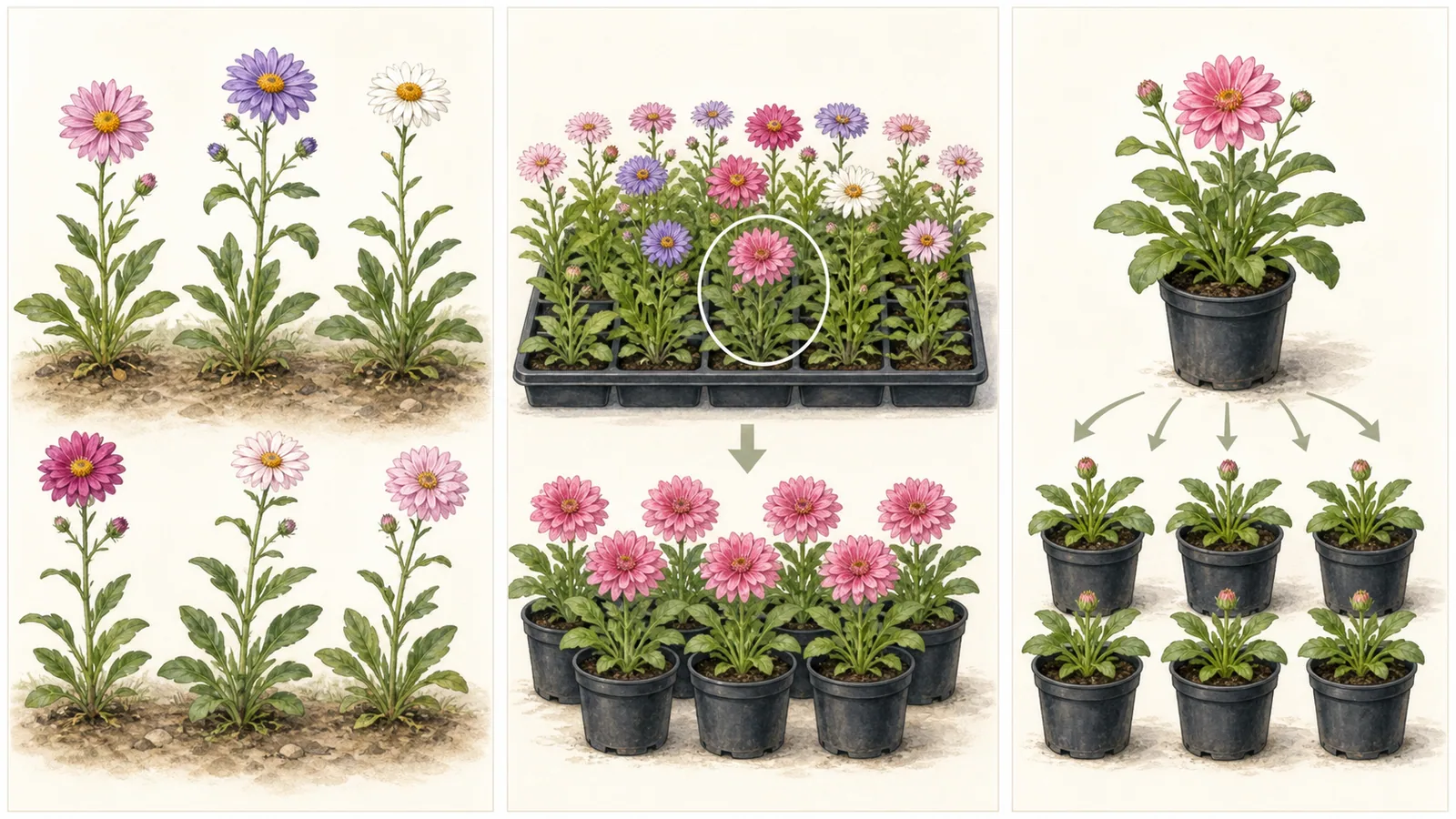
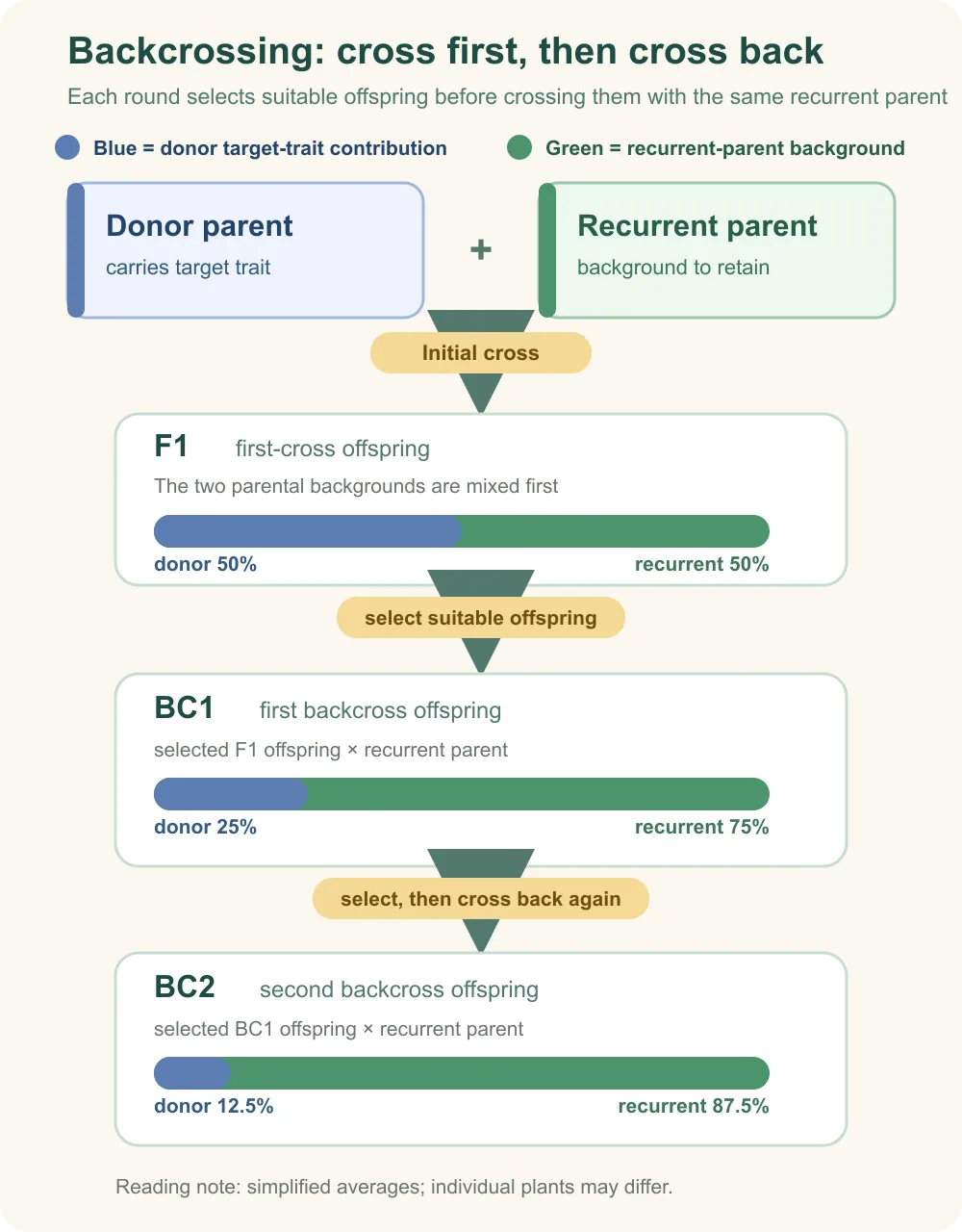
Teaching image for What Is Plant Breeding? Selection vs Breeding in Plain Language What Is Plant Breeding? Selection vs Breeding in Plain Language

Plant breeding is more than picking one good-looking plant. Learn how selection, parent plants, traits, offspring, hybrids, seeds, and vegetative propagation fit together.

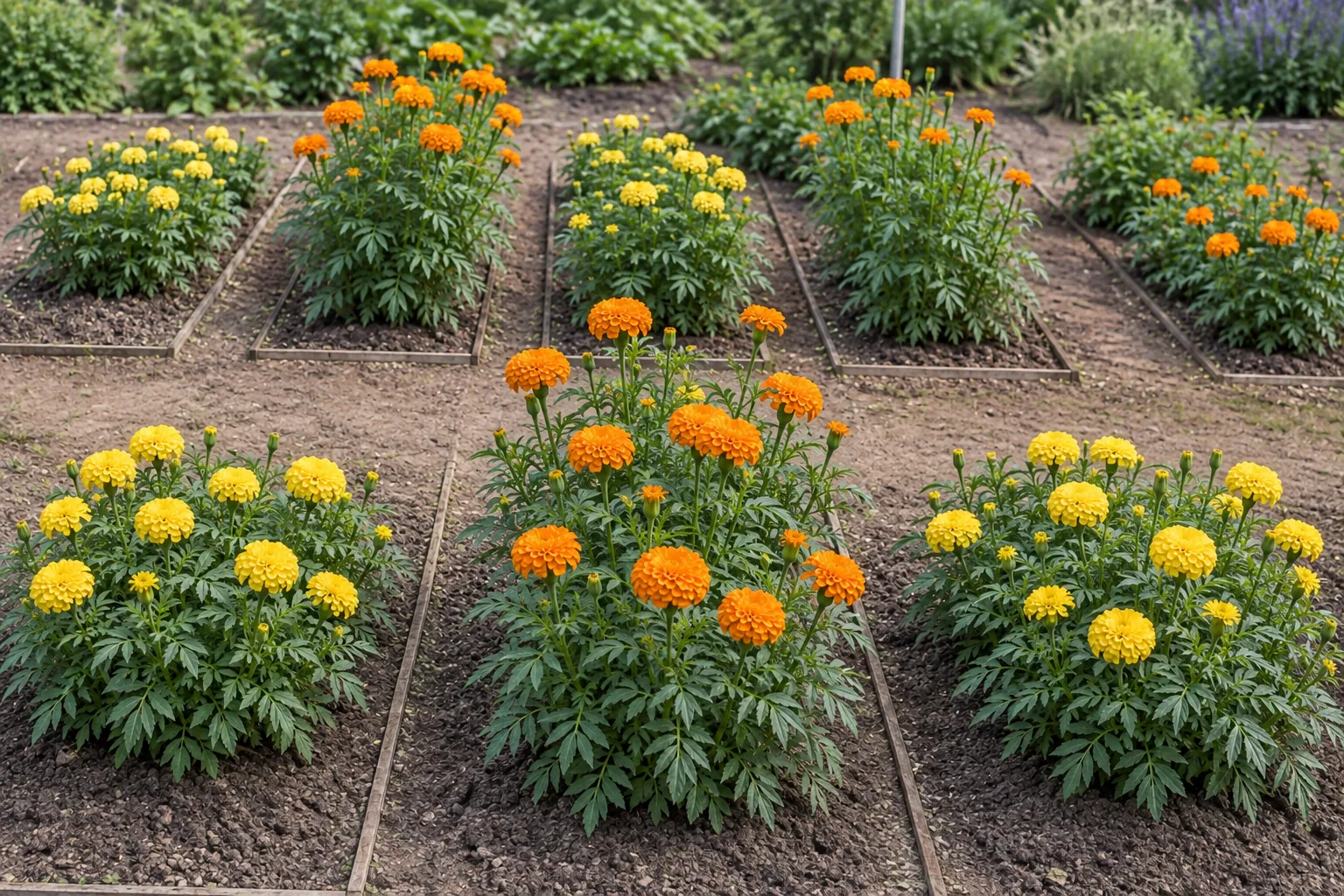
Teaching image for Species, Variety, Cultivar, and Strain: What Do Plant Names Mean? Species, Variety, Cultivar, and Strain: What Do Plant Names Mean?

Learn how species, species plants, botanical variety, cultivar, trade names, and plant lines or strains describe different layers of identity on plant labels.

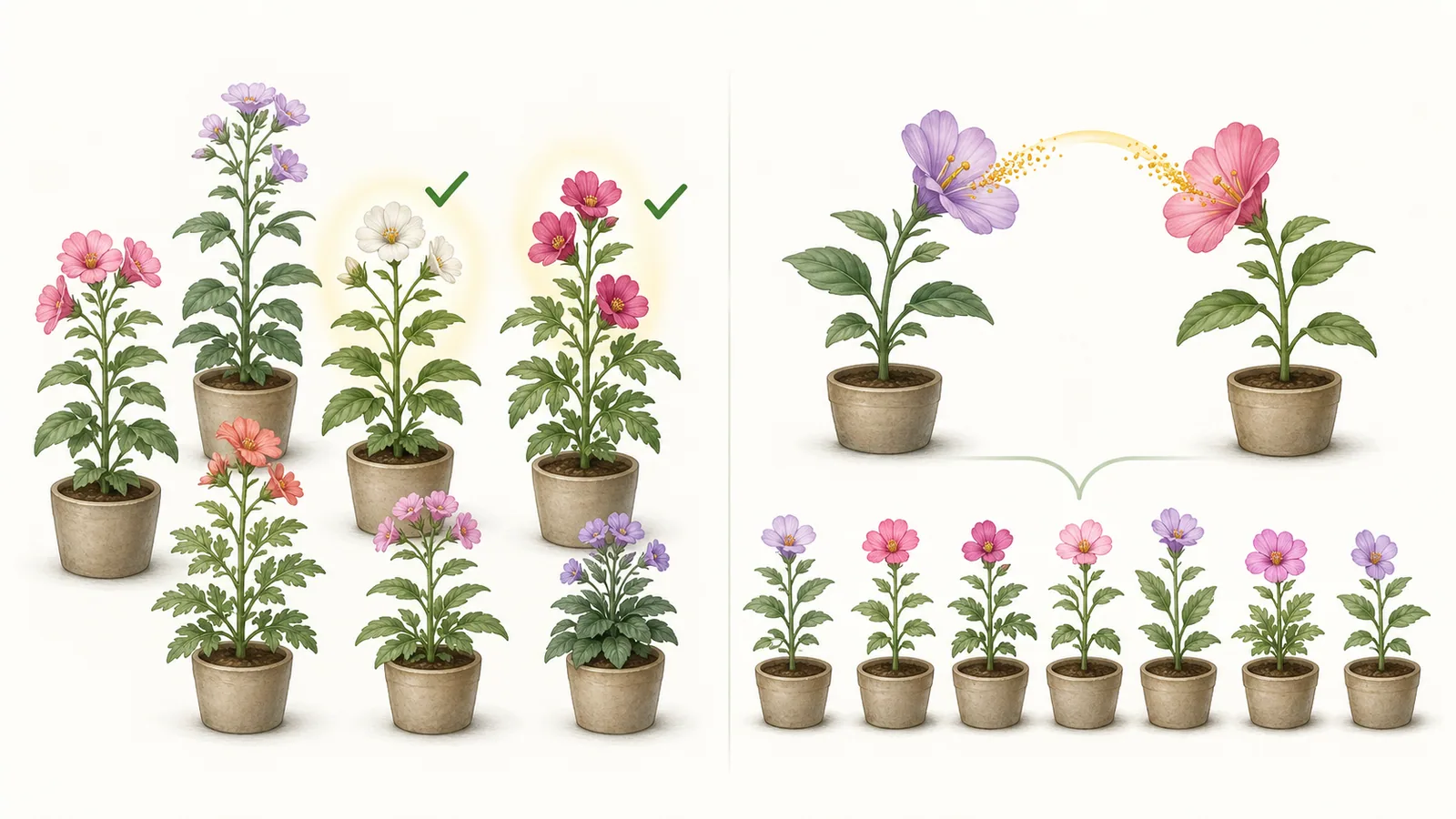
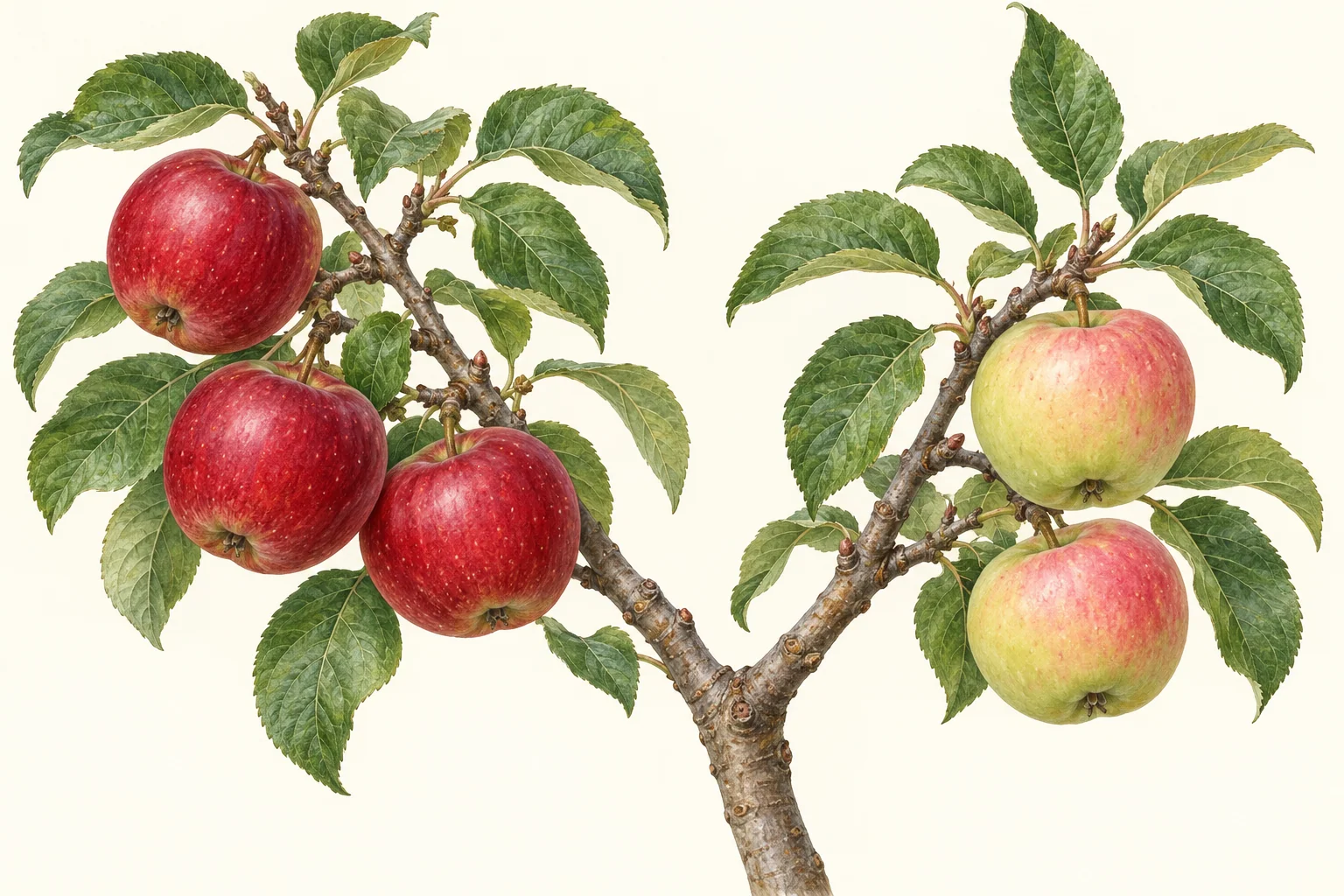
Teaching image for Parent Plants, Hybrids, and Traits: How Are They Connected? Parent Plants, Hybrids, and Traits: How Are They Connected?

Parent plants provide genetic sources, hybridization combines them, and traits are the observable features in offspring. Learn F1 hybrids, genotype, phenotype, and common plant label confusion in plain English.

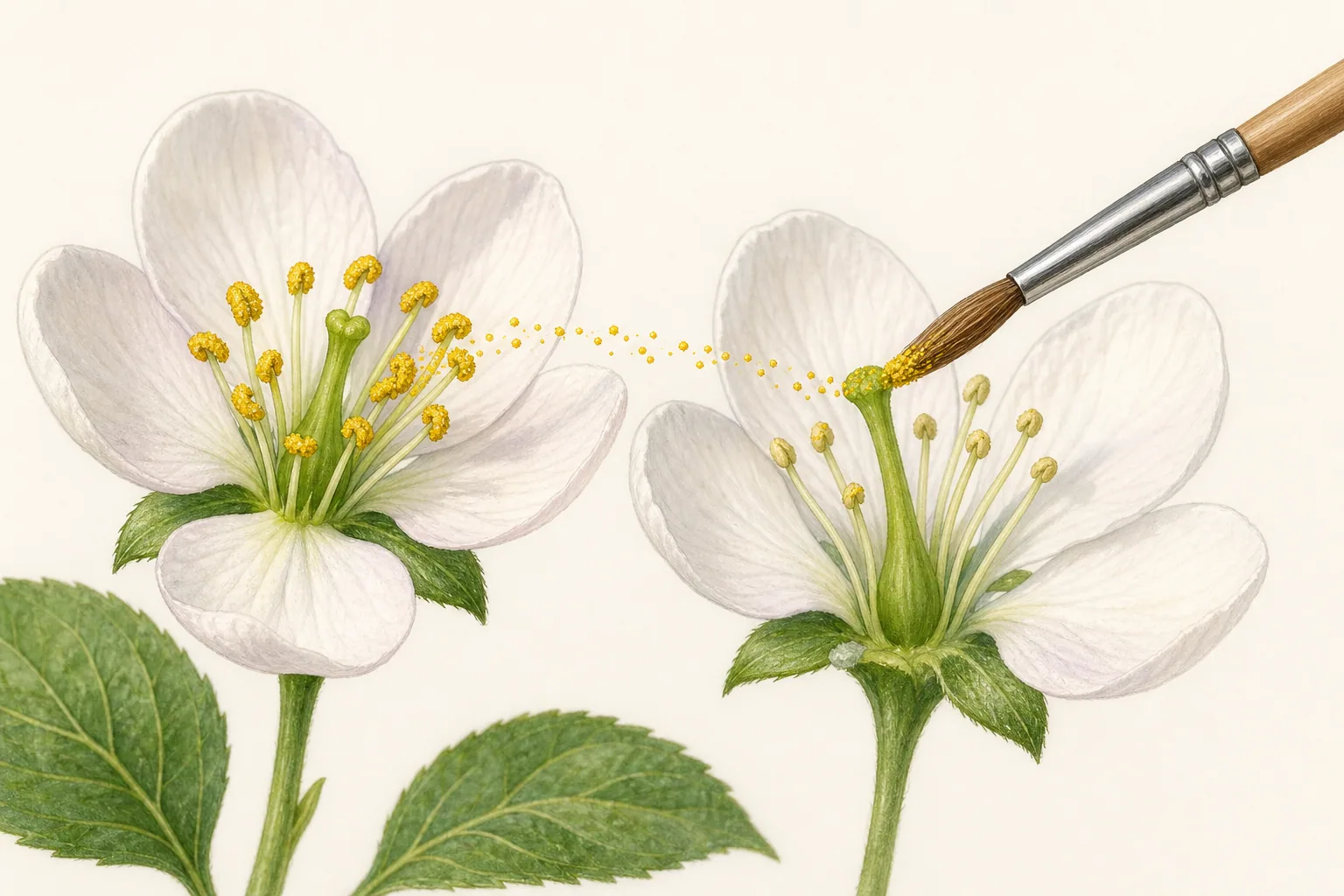
Teaching image for Why Is Hand Pollination Used? Why Is Hand Pollination Used?

Hand pollination means people help pollen reach a stigma. Learn why it is used in gardens, breeding, seed work, and teaching, and why it does not guarantee fruit or seed formation.

Teaching image for Why Do Growers Control Flowering Time? Why Do Growers Control Flowering Time?

Growers control flowering time so flowers are ready for holidays, market windows, displays, research, or breeding schedules. It is part of production timing, not a command that forces flowers to appear.

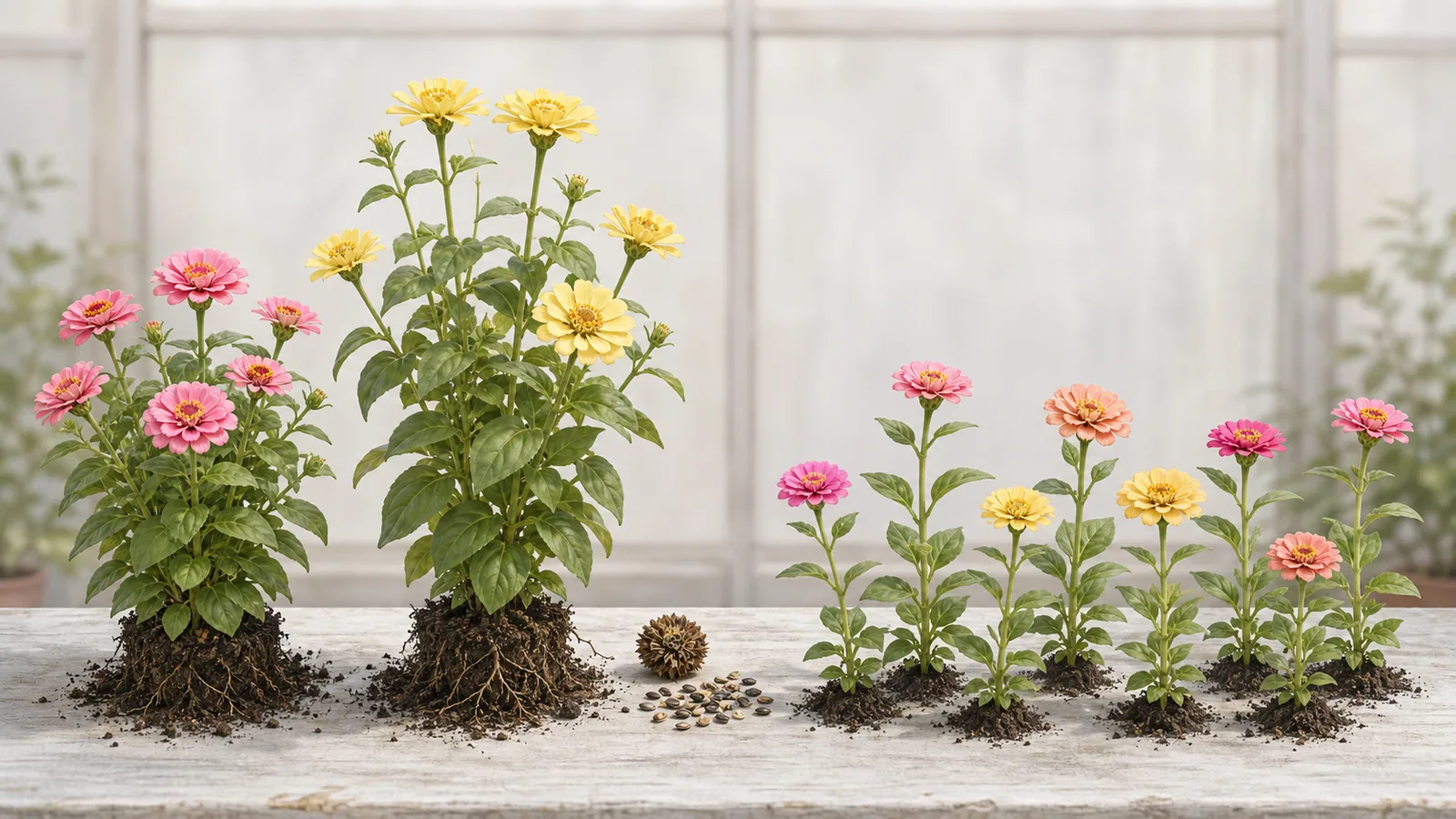
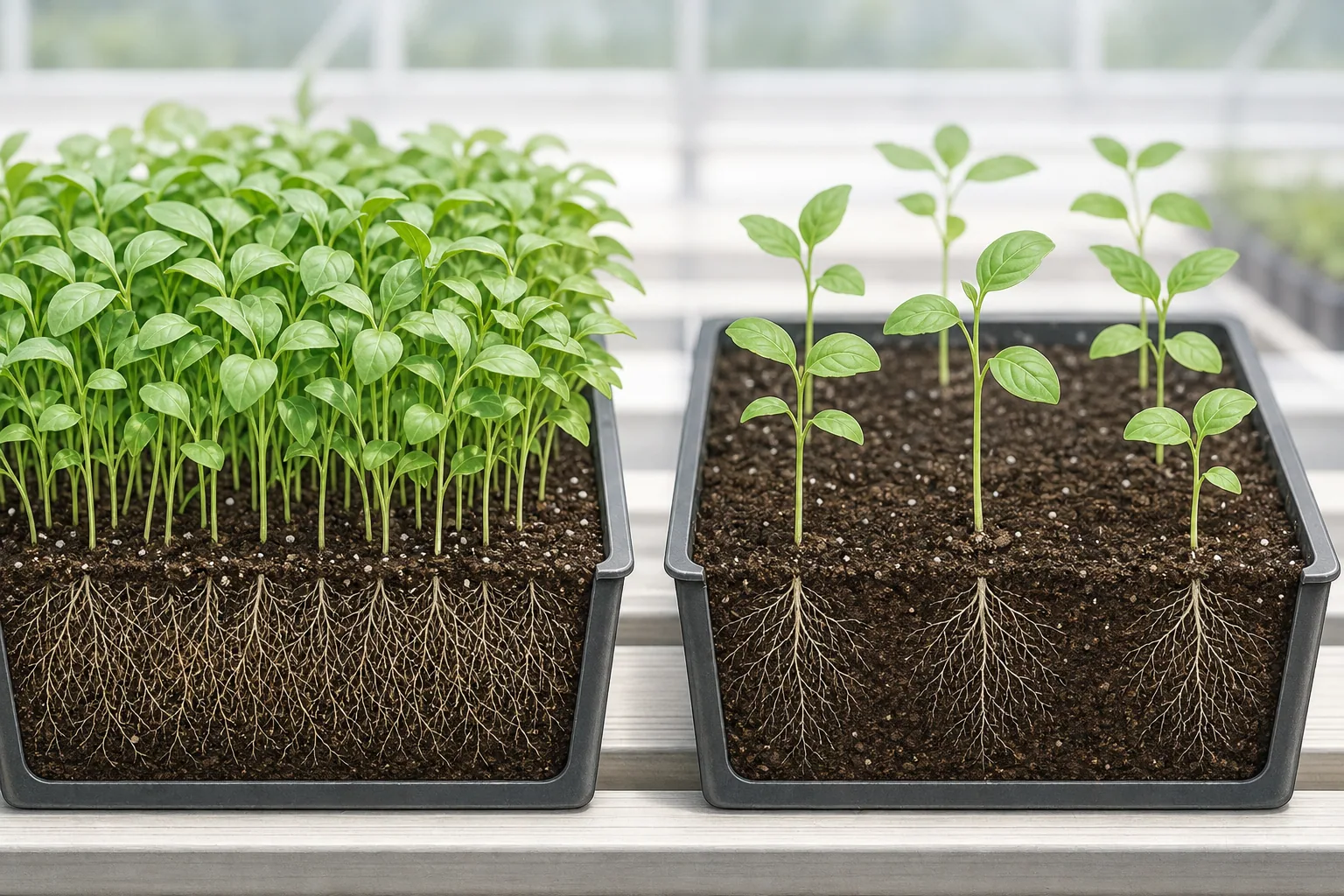
Teaching image for What Does Thinning Seedlings Mean? What Does Thinning Seedlings Mean?

Thinning seedlings is not just making fewer plants. After seeds germinate, it can reduce crowding so the remaining seedlings have clearer access to light, root space, water, mineral nutrients, and airflow.