Plant Science Observation Hub

Plant Note

Start with a moth orchid, then learn roots, leaves, flowers, light, water, and air. Plant science and gardening concepts, explained plainly and built step by step.

Question Search

Not sure where to start? Search by symptom or keyword

Try everyday terms such as yellow leaves, aerial roots, indoor light, or potting media aeration.

Interactive Observation

Tap a plant organ to see what it does

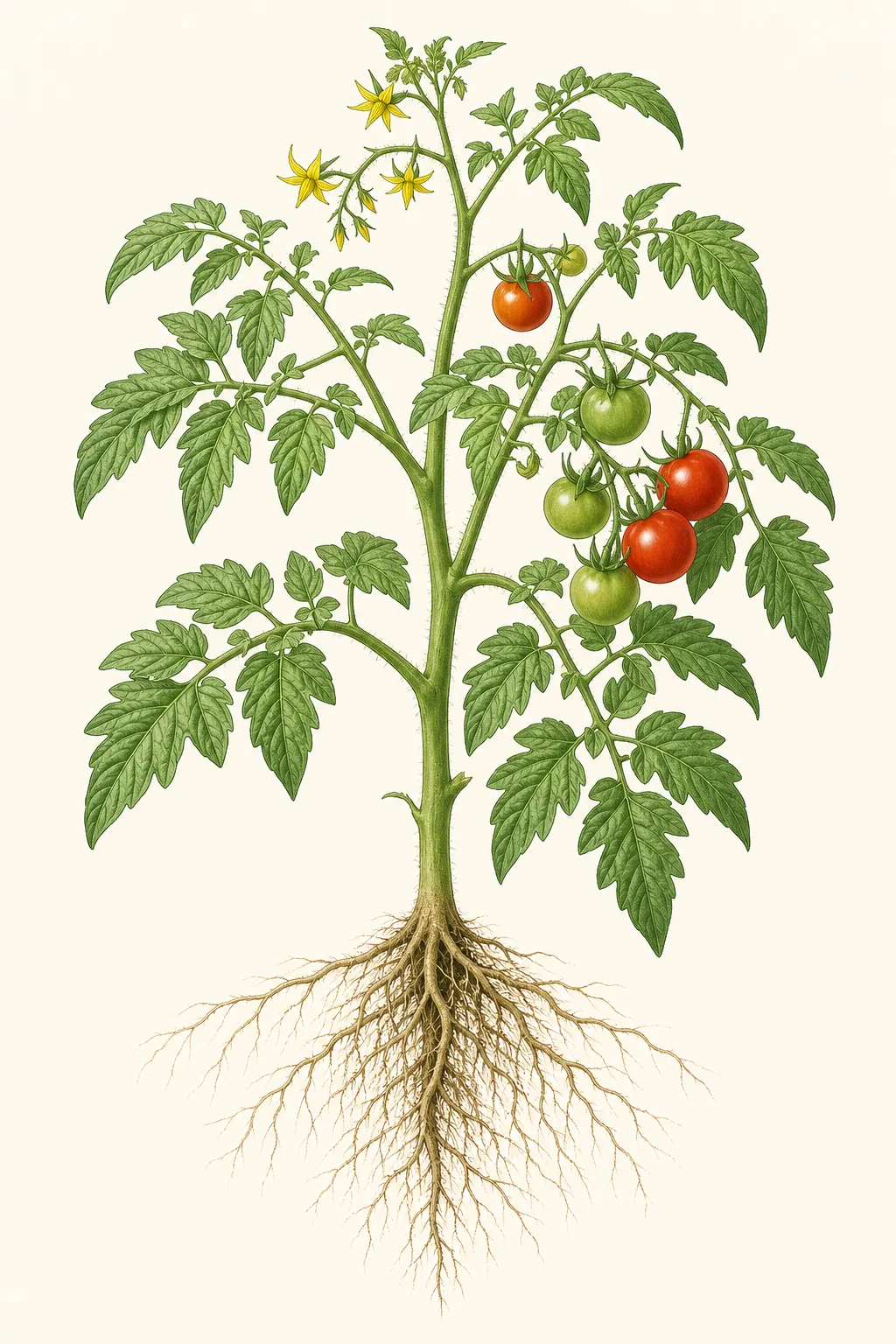
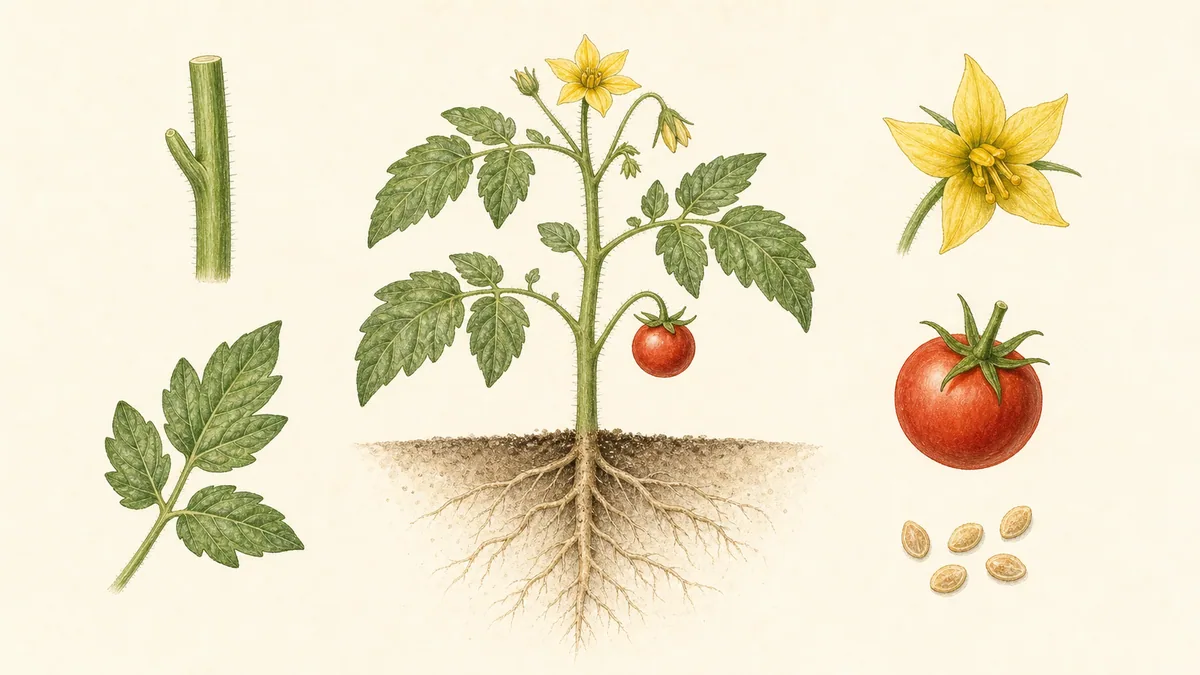
Use a familiar flowering plant, like a tomato-type plant, to understand roots, stems, leaves, flowers, and fruits before comparing unusual plant forms.

A tomato-type flowering plant diagram showing roots, stems, leaves, flowers, and fruits

Flower

Flowers help plants reproduce

Flowers are usually connected to reproduction. A tomato-type plant forms small yellow flowers on aboveground shoots, and some flowers later become fruits.

Start here: flowers are important reproductive organs. Next: plant organs and structure
Open related topic

Life Cycle Snapshot

From seed to seedling, flowering, and fruiting

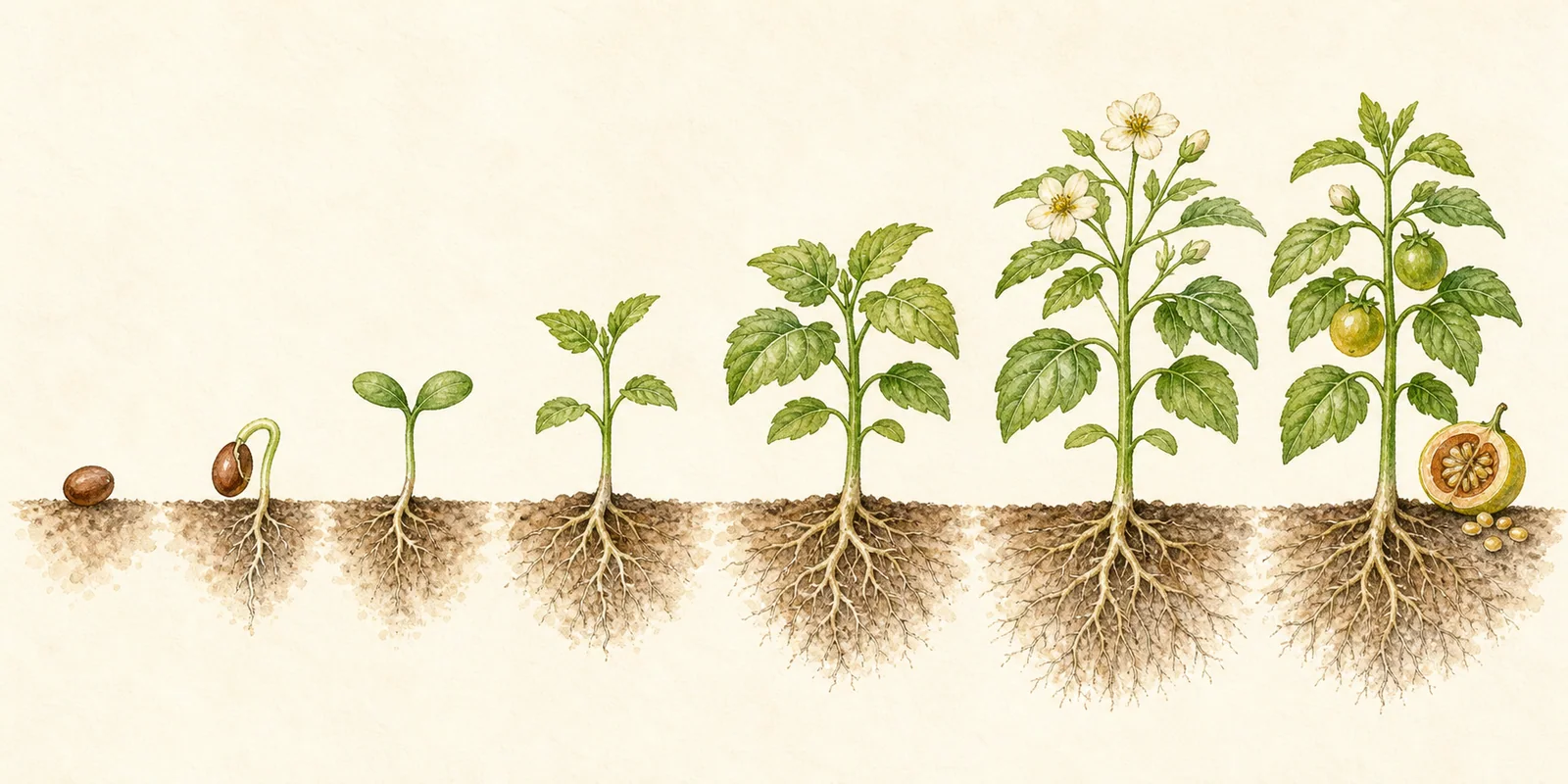
This lightweight timeline uses a general flowering plant, not an orchid. The motion follows the sequence from seed to fruit so users can return to articles for the details.

Explore the plant life cycle
Teaching image of a general flowering plant life cycle from seed, germination, seedling, growth, flowering, fruiting, and seed formation

Topic Halls

Choose a topic hall, then move into articles

A to E are the core framework for the early site. F is reserved for later plant profiles and special plant-group projects after the foundation is stronger.

Starter Paths

When you want to read directly, start with these routes

These cards keep the same visual structure as the Chinese site. English articles will replace topic links as each page passes review.

Build the basics

What are the basic organs of a plant?

Start with roots, stems, leaves, flowers, fruits, and seeds before moving into deeper topics.

Read this article
How plants live

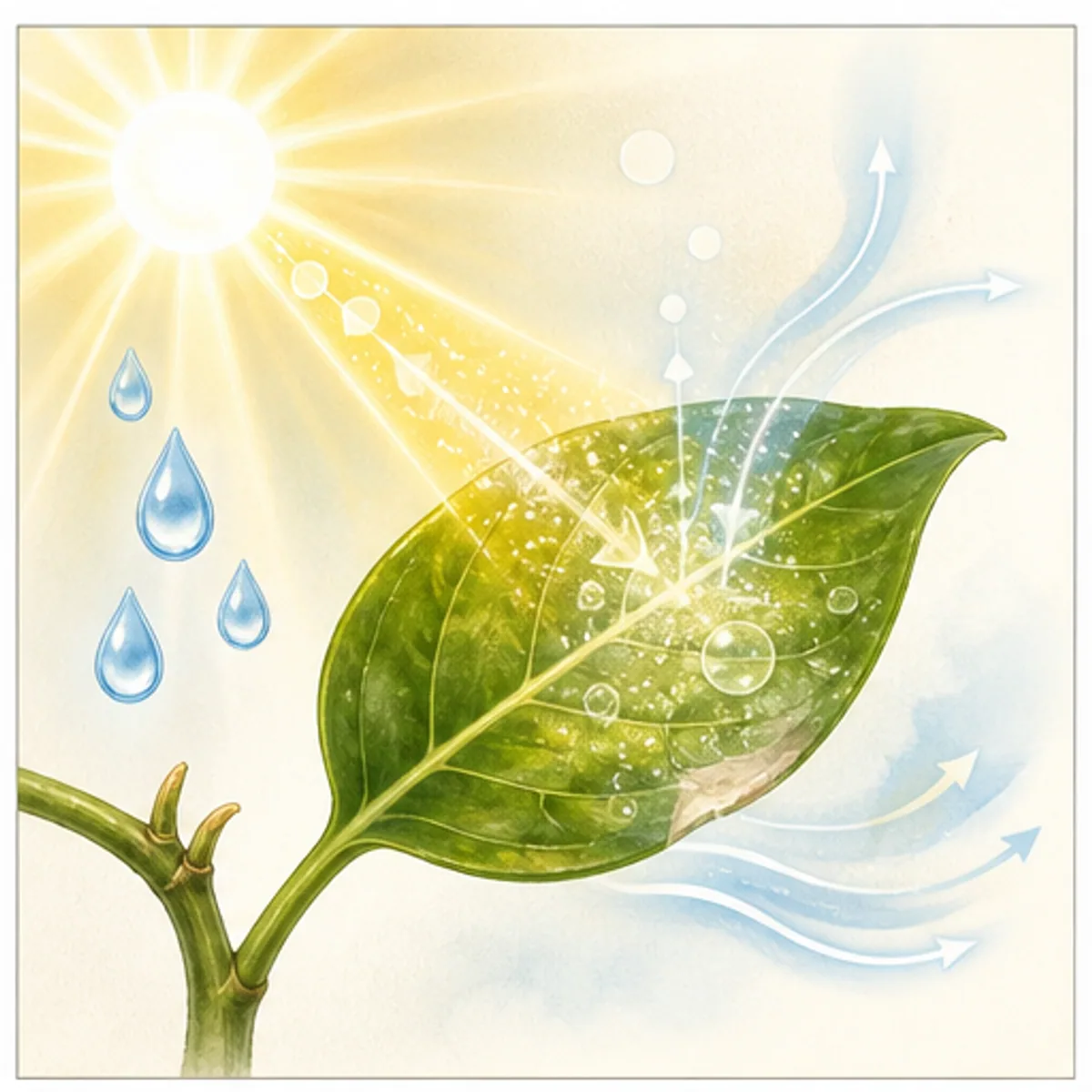
What is photosynthesis?

See how plants use light, water, and carbon dioxide to make usable organic matter.

Read this article
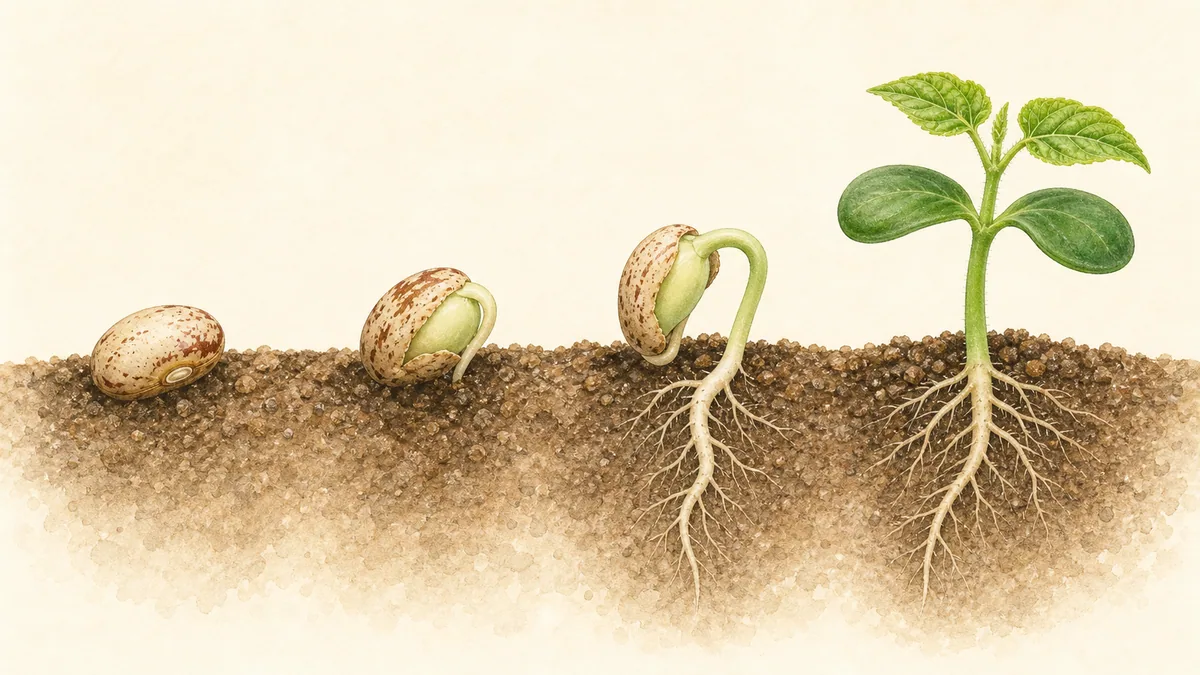
Life cycle

How does a seed germinate?

Follow seeds as they absorb water, send out a young root, and begin seedling growth.

Read this article
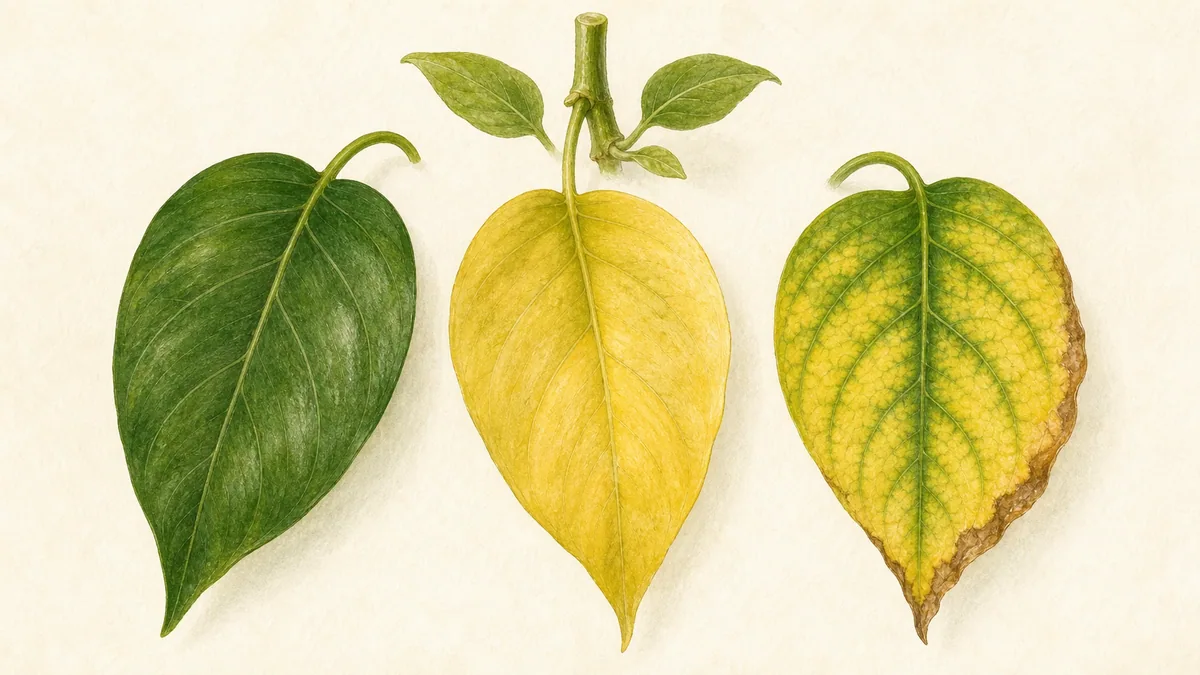
Gardening signals

Why do plant leaves turn yellow?

When leaves turn yellow, begin with observation instead of jumping to a diagnosis.

Read this article
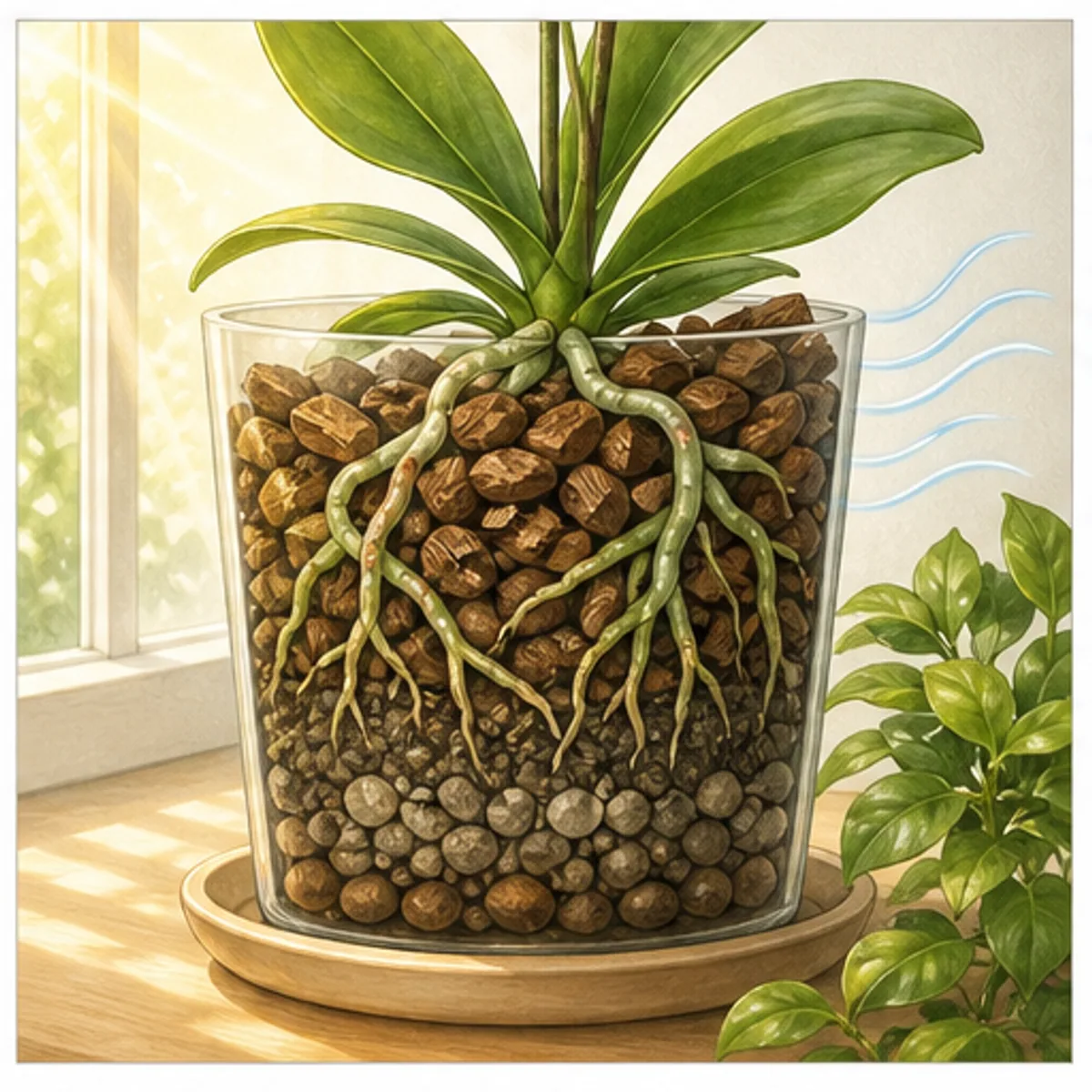
Potted plant environment

What is aeration in potting media?

Roots need more than water. They also need a potting environment that can exchange air.

Read this article
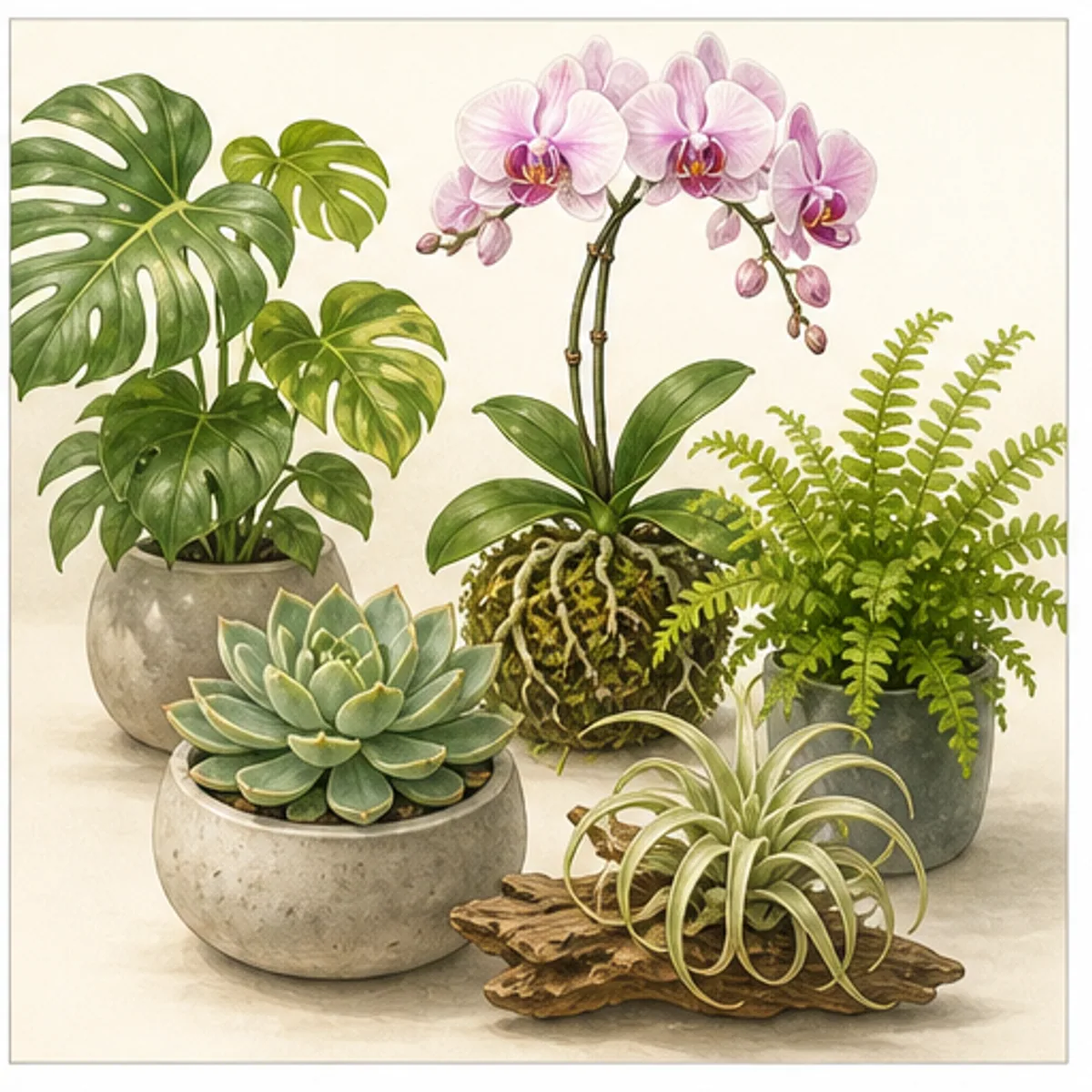
Orchid observation

What are aerial roots?

Use orchid roots and other exposed roots to understand water uptake, support, and attachment.

Read this article

Common Entry Points

Start from the plant signal you can actually see

These entry cards keep users in observation mode. English article links will appear here as localized pages are approved.