Why does potting mix need drainage?
Drainage is not simply faster is better; it works together with water retention.
Topic E
Pots, potting media, drainage, aeration, light, and humidity all shape whether a plant can take up water, exchange air, and grow steadily.
Reading Path
Each topic gives a simple route first, then connects to individual articles.
Drainage is not simply faster is better; it works together with water retention.
Roots need air as well as water.
Use the environment to understand leaves and growth.
Available Now
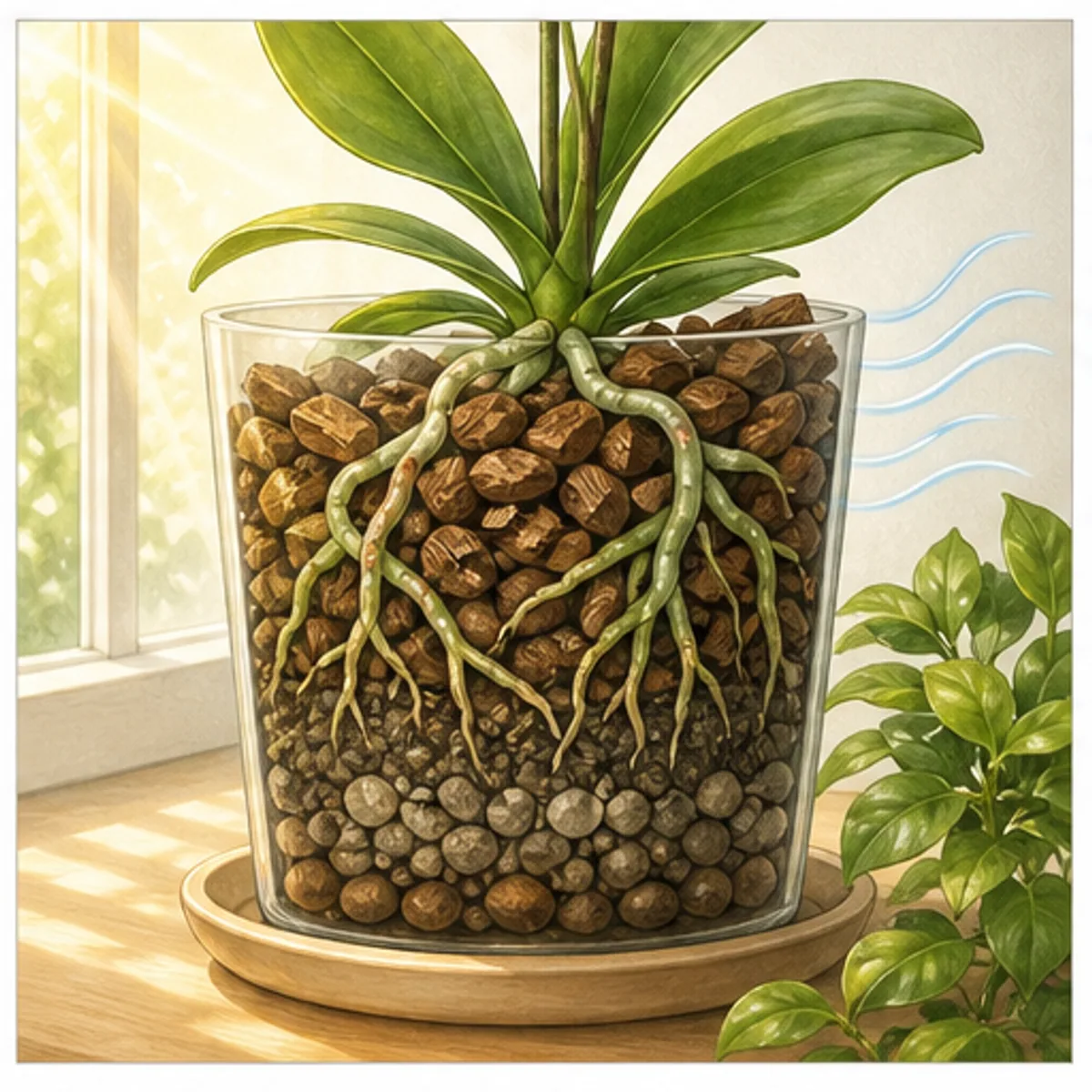
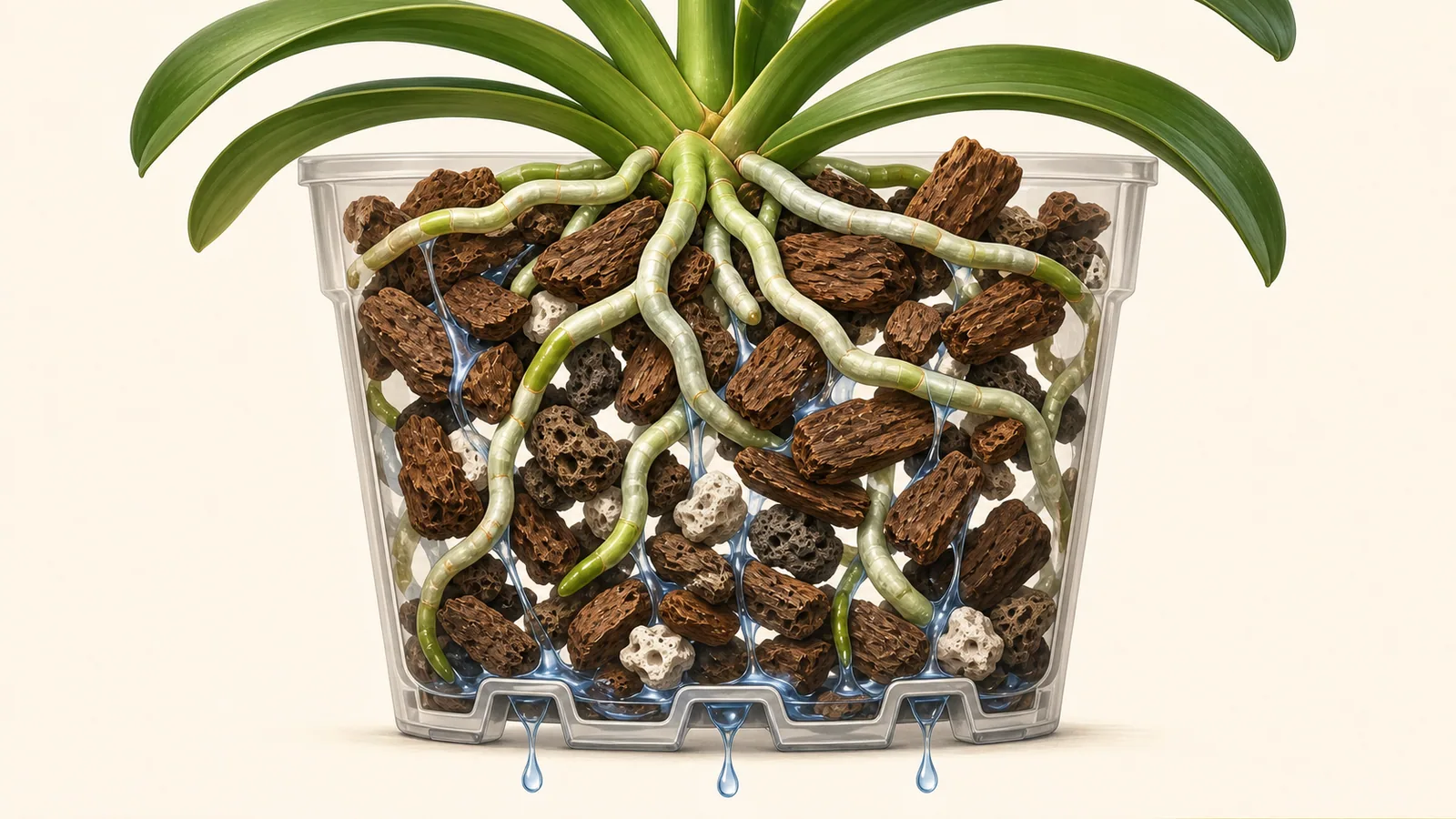
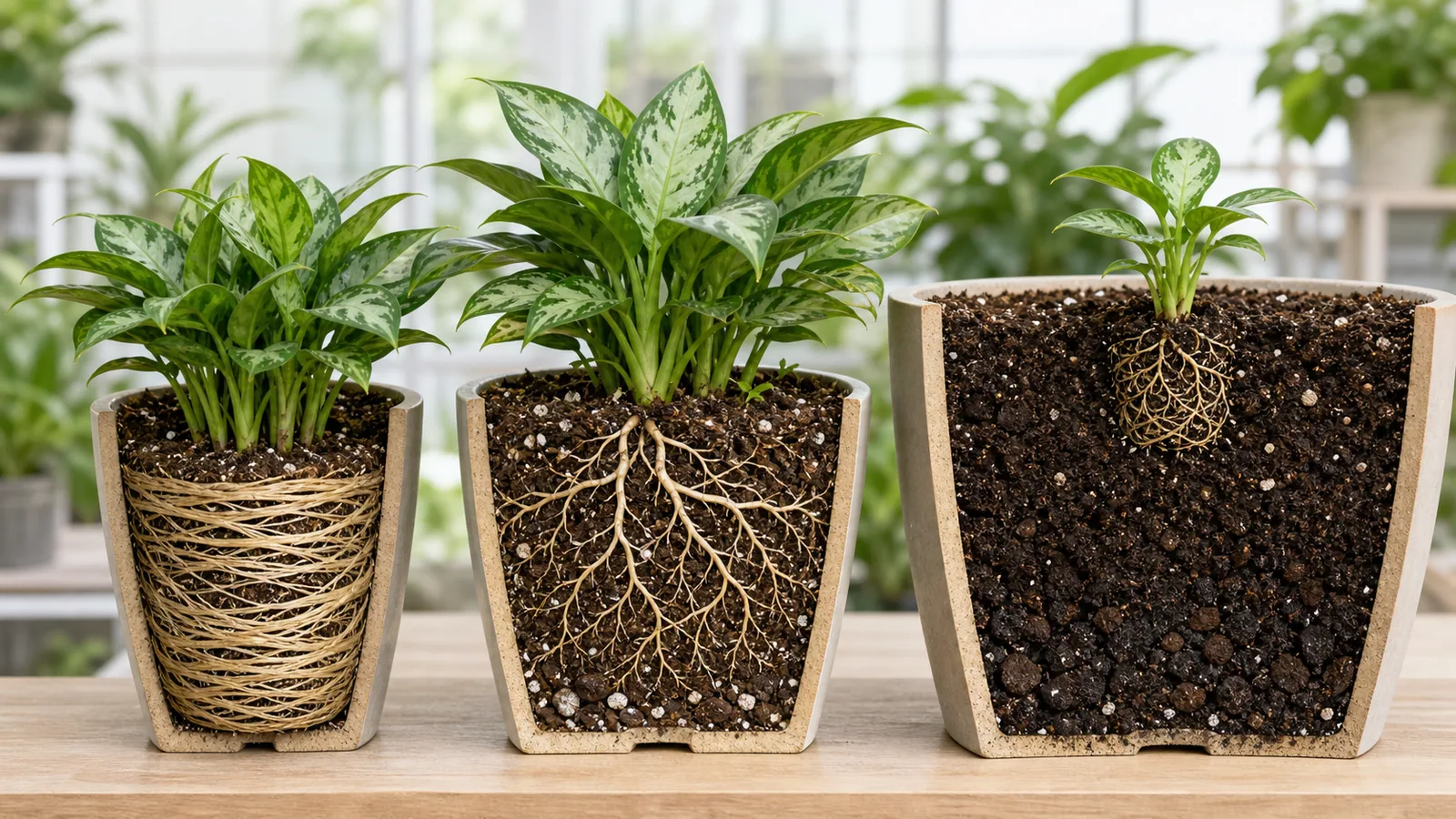
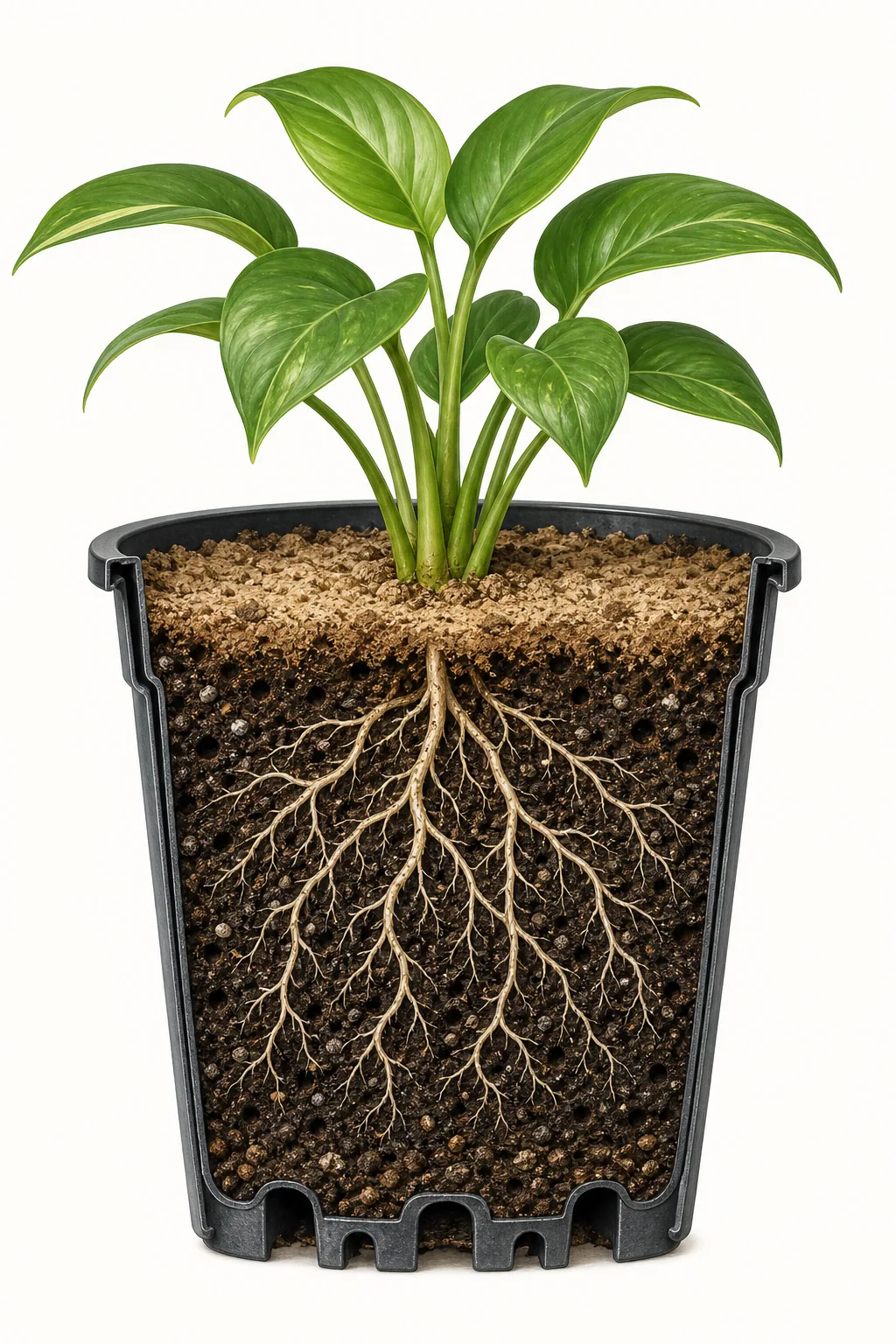
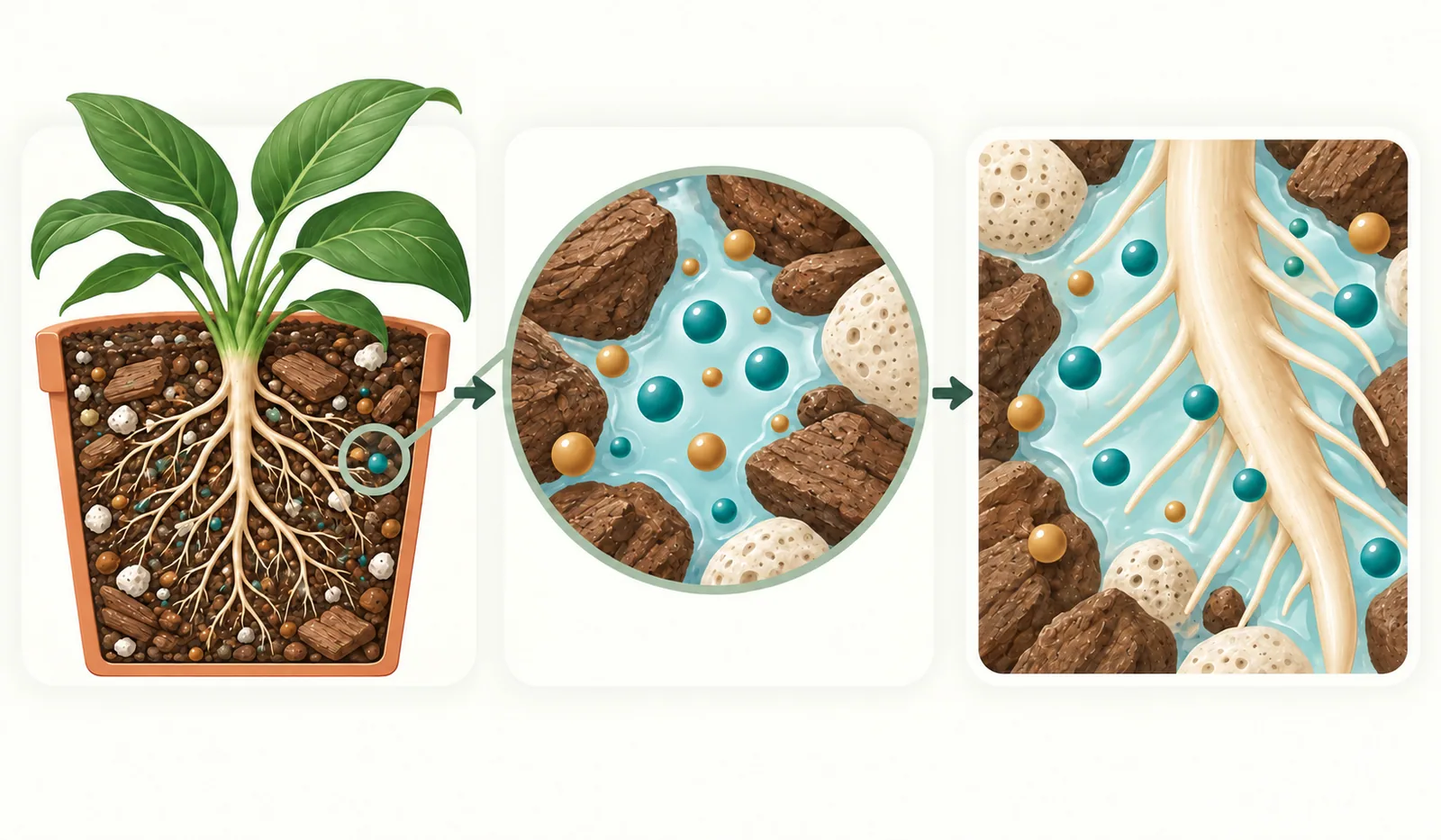
Why does potting media need drainage? Drainage is not about giving plants less water. It lets excess water leave while keeping air spaces around roots so roots can respire and function.
What is aeration in potting media? Potting media aeration does not mean the mix should be as dry as possible. It means the spaces around roots can hold and exchange air as well as water.
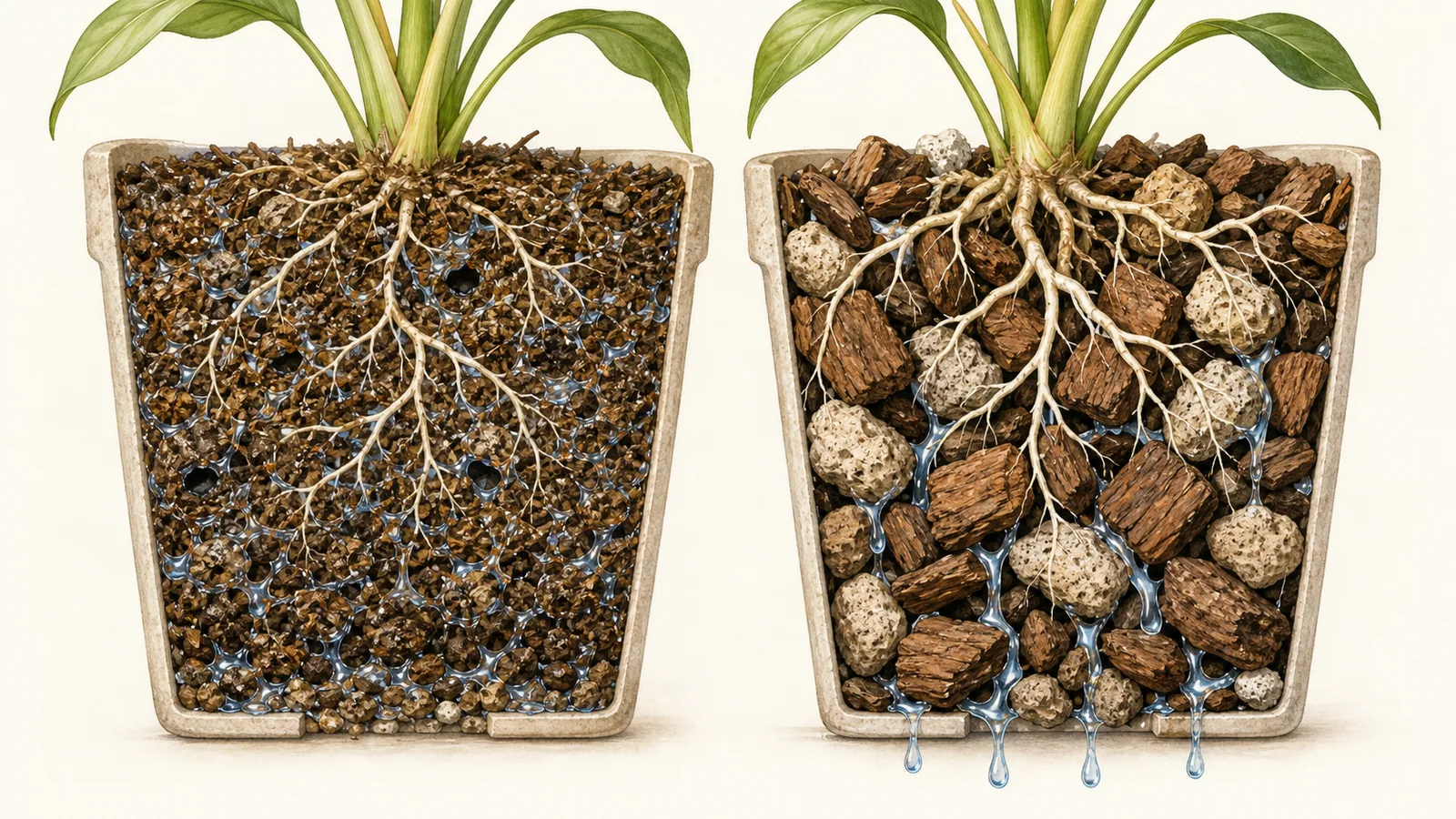
What is the difference between water retention and drainage? Water retention is not waterlogging, and drainage is not making the pot dry. Learn how potting media can hold usable water, drain excess water, and keep air around roots.
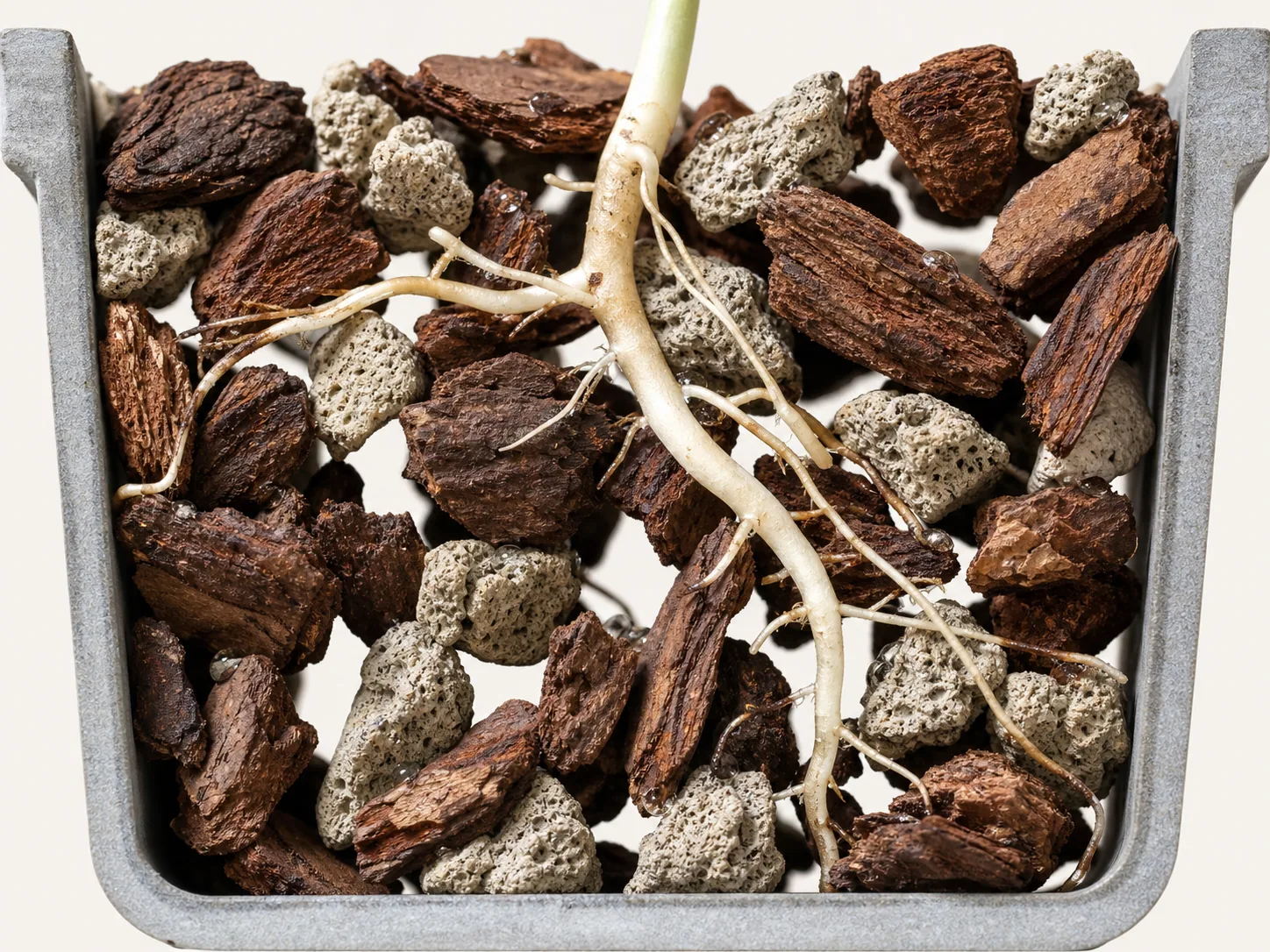
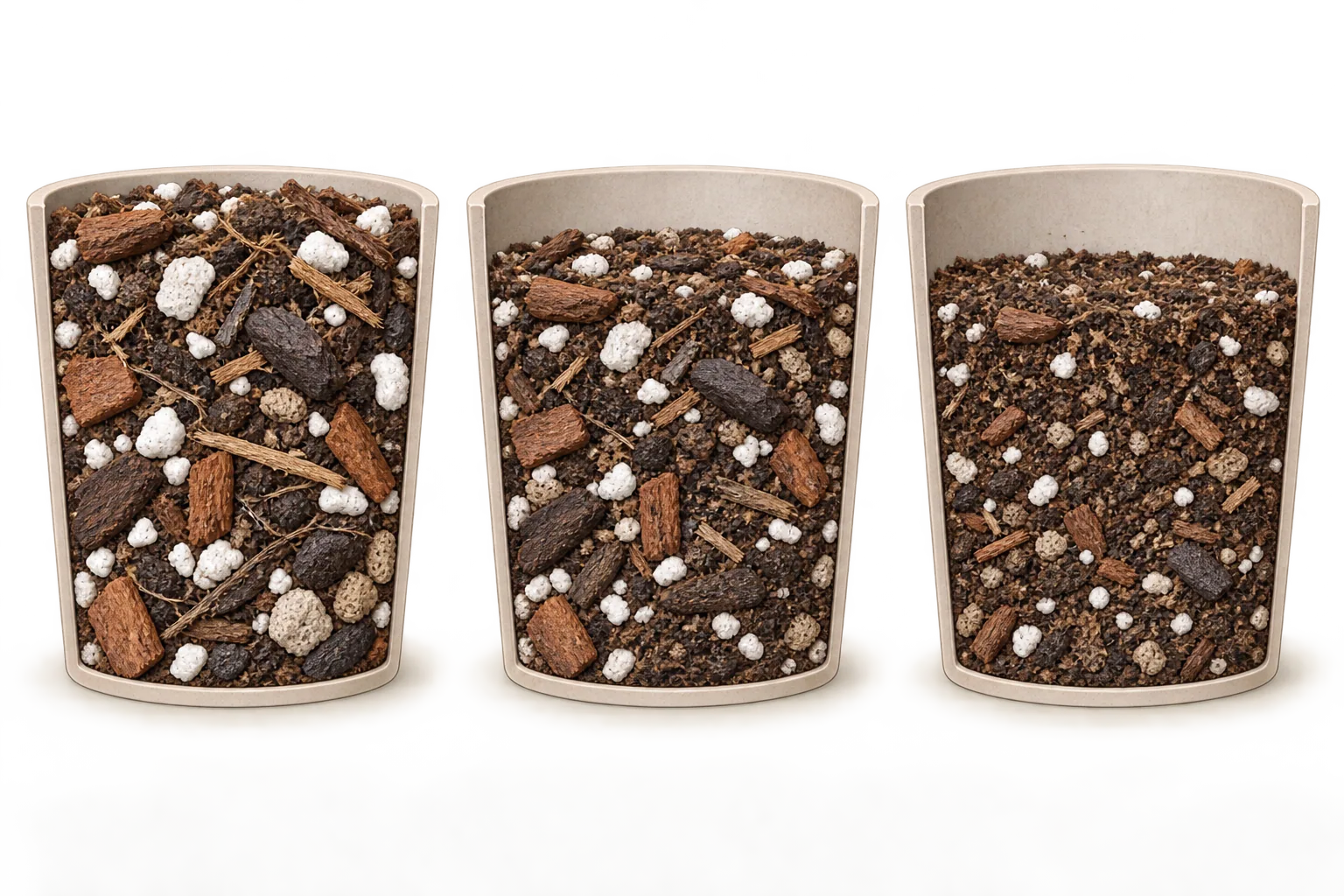
How Are Perlite, Vermiculite, and Akadama Different? Compare perlite, vermiculite, and akadama by material origin and pore structure to understand water retention, drainage, and root-zone aeration in containers.
Does pot size affect roots? Pot size affects root space, media volume, water retention, drying speed, and aeration. Learn why a pot can be too small or too large for the current root system.
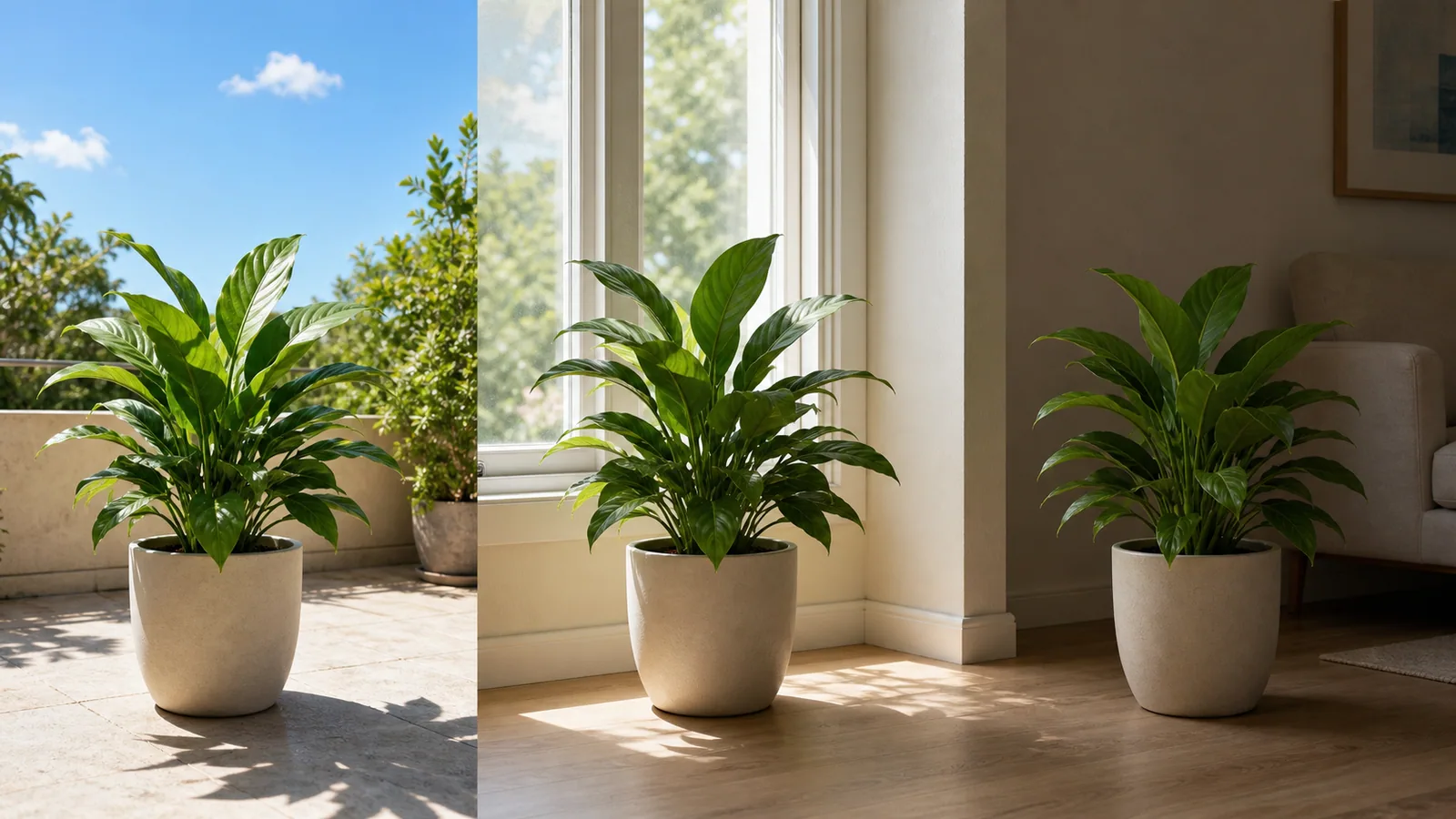
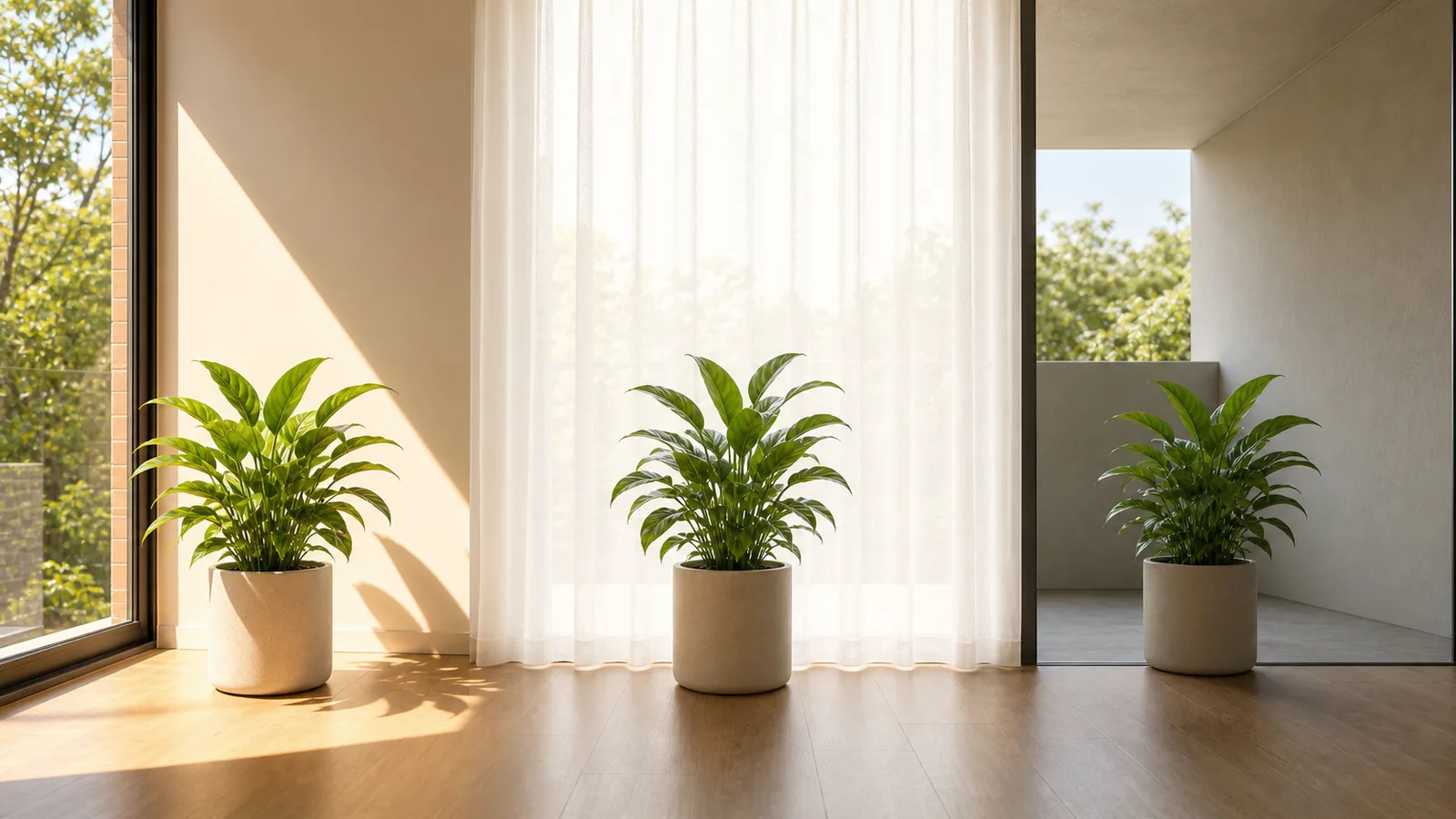
How is indoor light different from outdoor light? A room that looks bright to people may still provide little usable light for plants. Learn how outdoor sky light, windows, distance, shade, direction, and season affect plant growth.
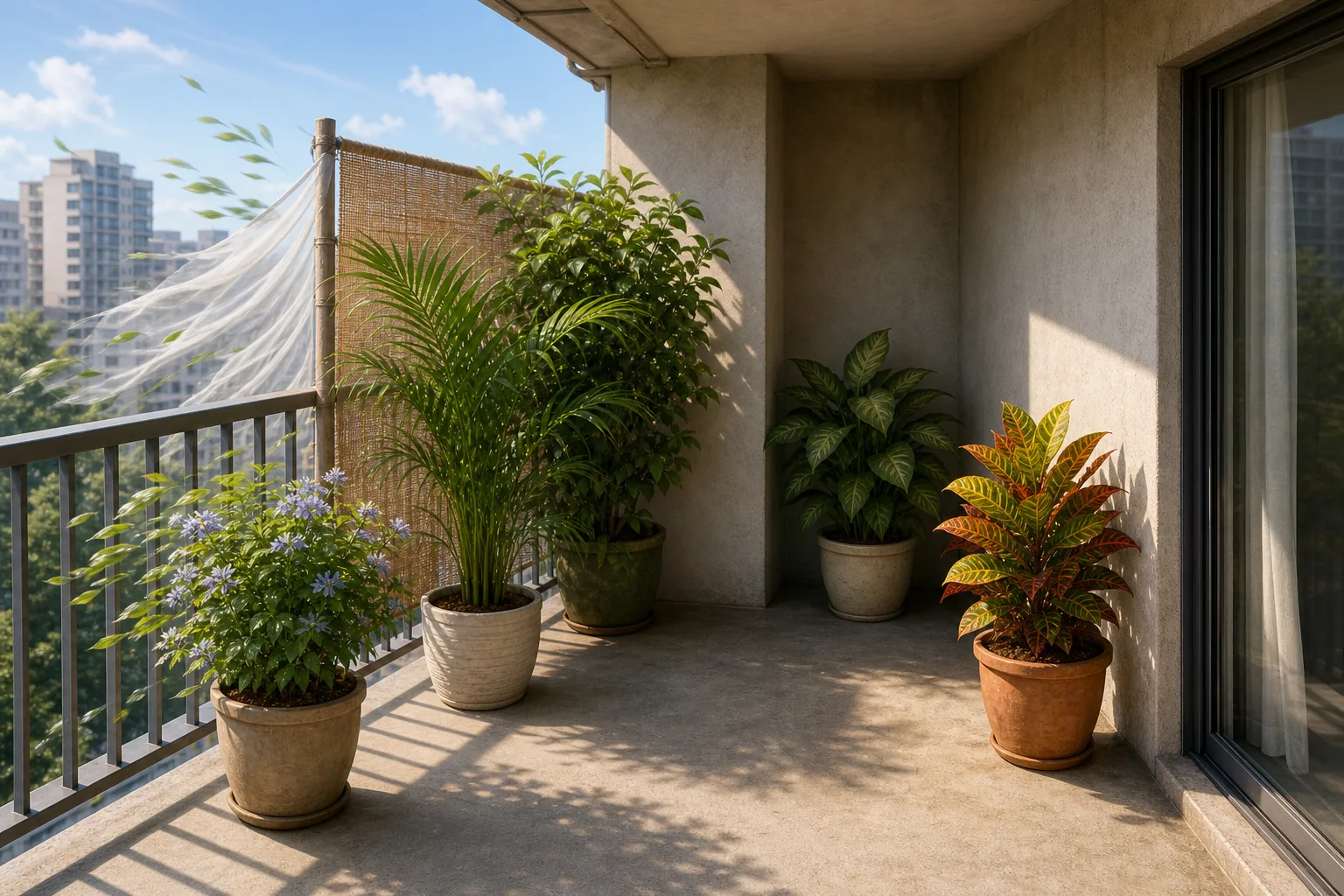
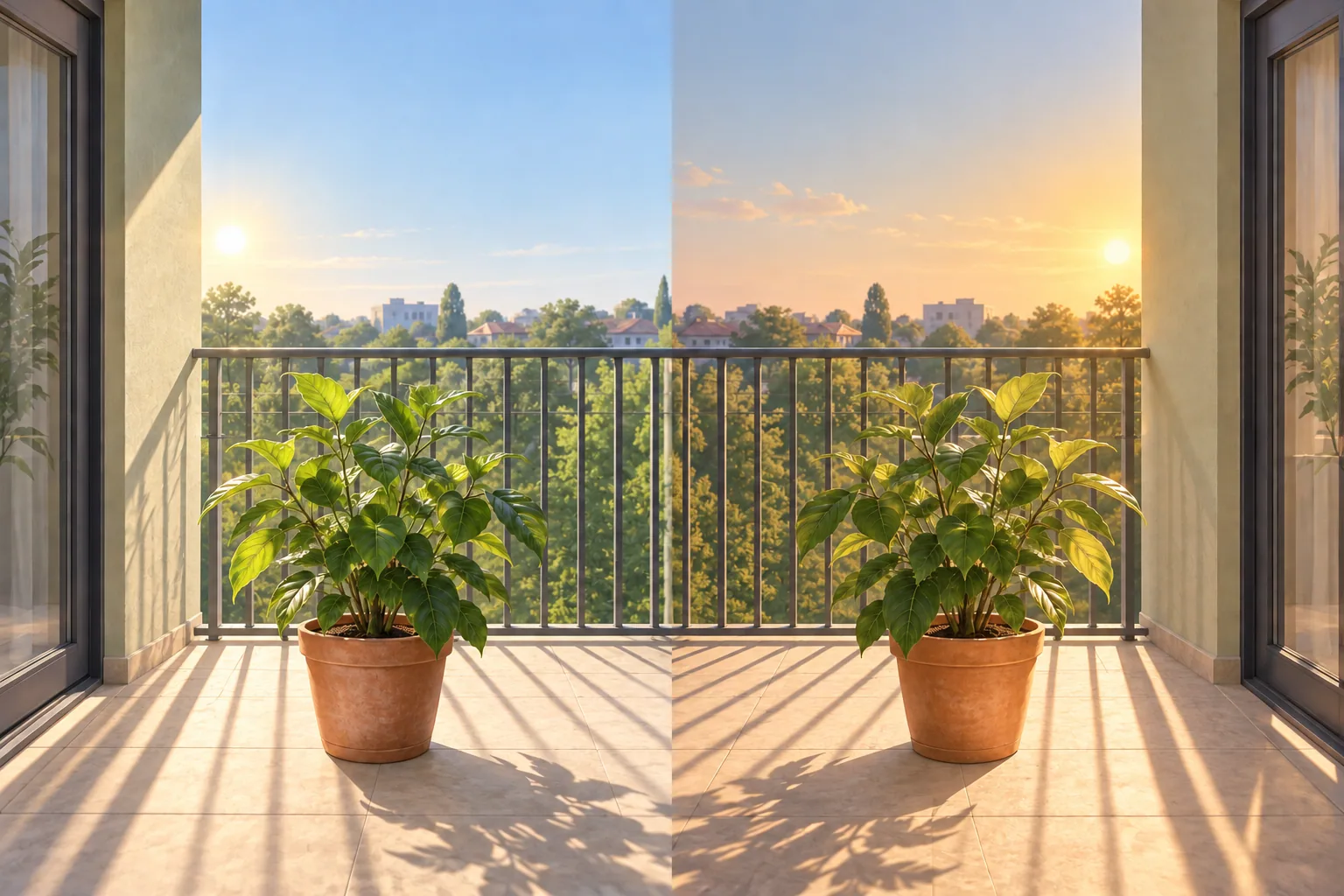
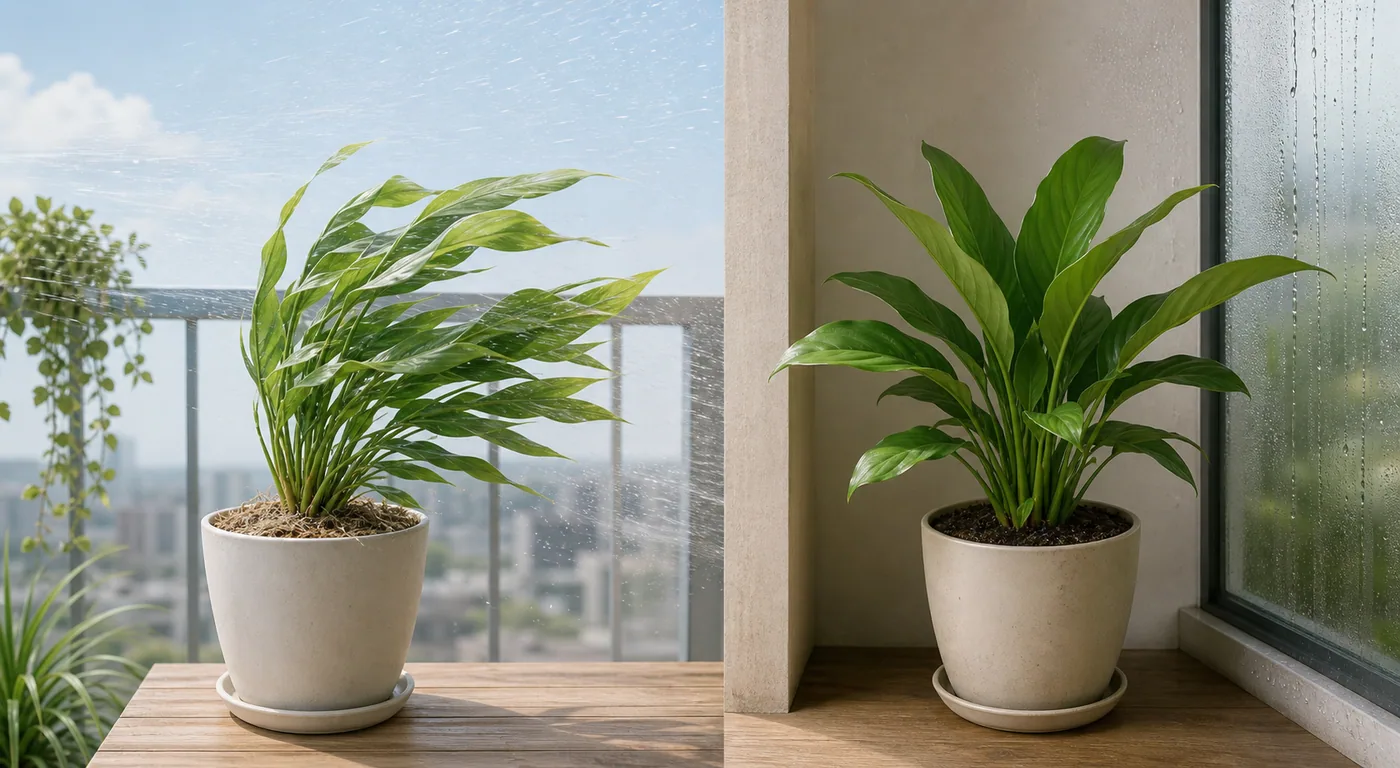
What is a balcony microclimate? A balcony microclimate is the small local environment around your plants, including light, heat, wind, humidity, shade, walls, and how quickly potting media dries.
How Does Air Conditioning Affect Houseplants? Air conditioning can change temperature, humidity, airflow, light, and potting mix drying around houseplants. Learn what to observe without assuming every plant needs more water.
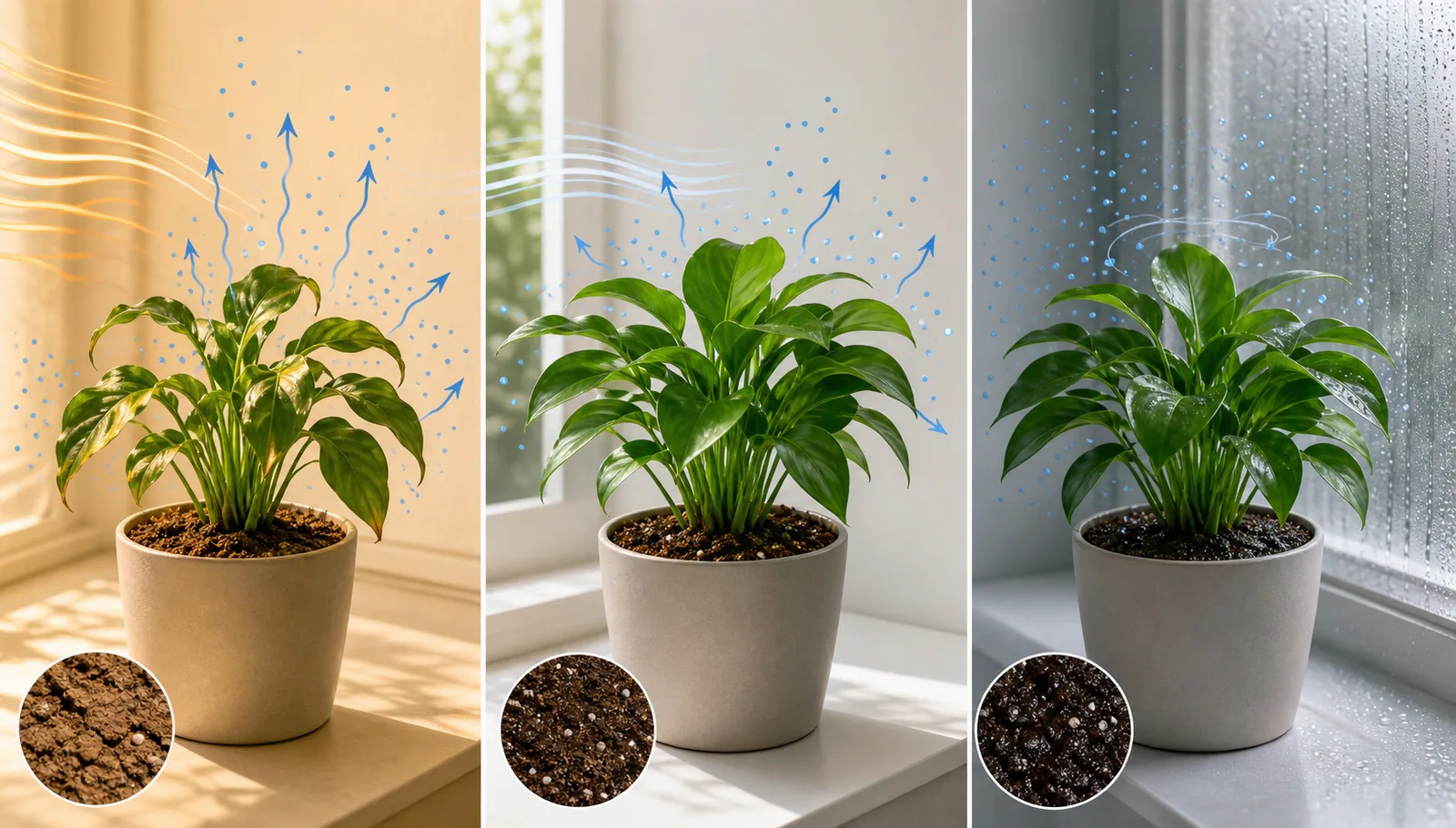
How does humidity affect plants? Humidity changes how quickly plants lose water through their leaves. Learn how dry air, airflow, air conditioning, misting, and potting mix moisture affect houseplants.
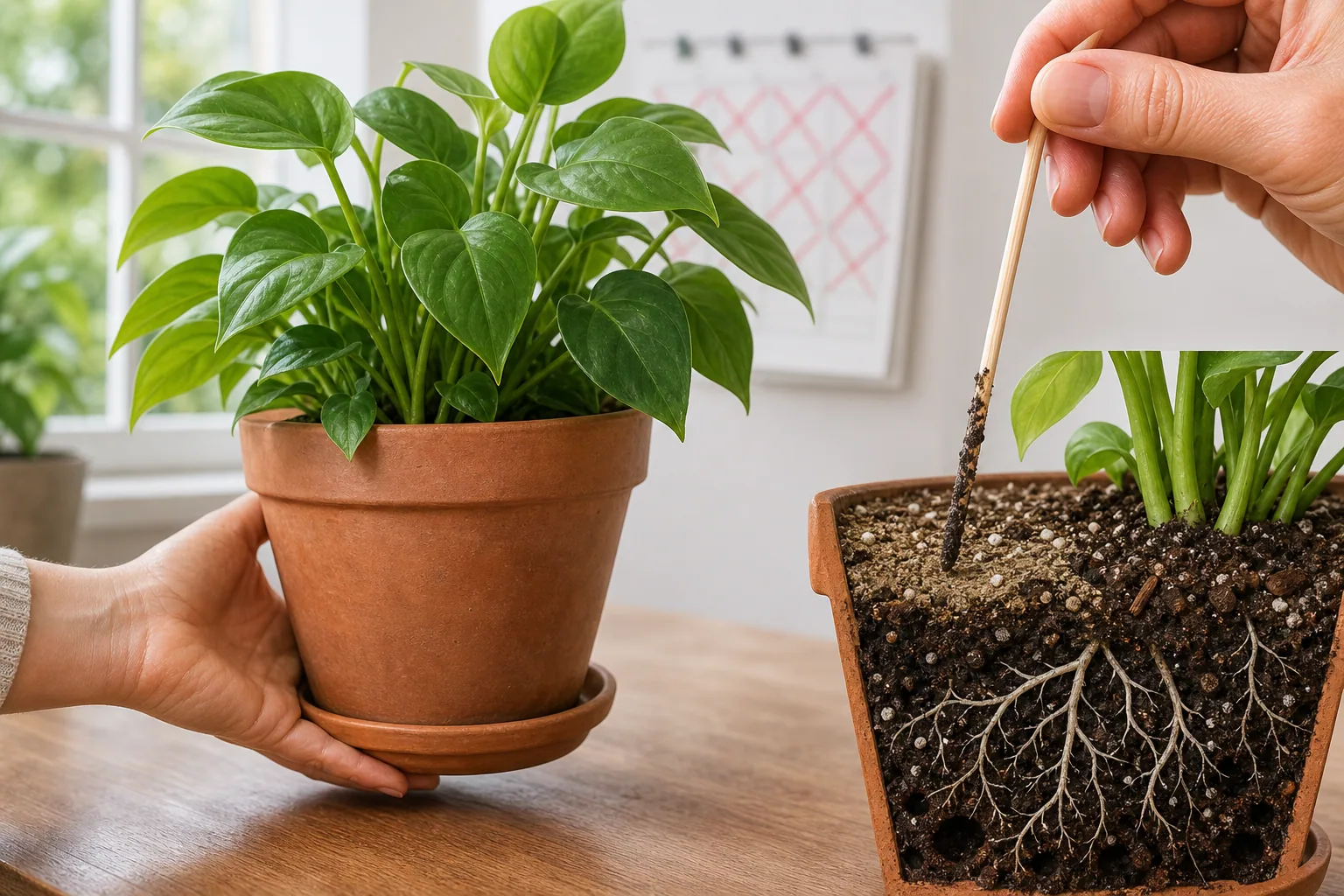
Why Check Potted Plants Before Watering on a Fixed Schedule? Fixed watering schedules can miss what is happening in the root zone. Learn how light, airflow, pot size, potting mix, and plant growth affect when to water.
Why Can Potting Mix Be Dry on Top but Still Moist Inside? A dry surface does not always mean the whole pot is dry. Learn why the top layer of potting mix dries first, why the root zone may still hold moisture, and why root-zone clues are more useful than fixed watering schedules.
Direct Sun, Bright Indirect Light, and Bright Shade: What's the Difference? Learn how direct sun, bright indirect light, and bright shade differ for houseplants, and how sun angle, curtains, overhangs, and nearby obstructions can change a spot.
How Do East-, West-, South-, and North-Facing Balconies Differ? East-facing balconies often get morning sun; west-facing ones may get afternoon sun and heat. Learn how season, latitude, shade, and layout change balcony light.
Why can both strong wind and stagnant air stress plants? Strong wind can increase water loss from leaves and potting media, while stagnant air can trap humidity and heat around foliage. Learn how airflow, transpiration, and drainage differ.
How Are Sphagnum Moss, Bark, Coco Chips, and Potting Mix Different? Compare sphagnum moss, bark, coco chips, and potting mix by particle structure, pore space, water retention, drainage, and aeration. Learn why material names alone cannot predict how a pot will behave.
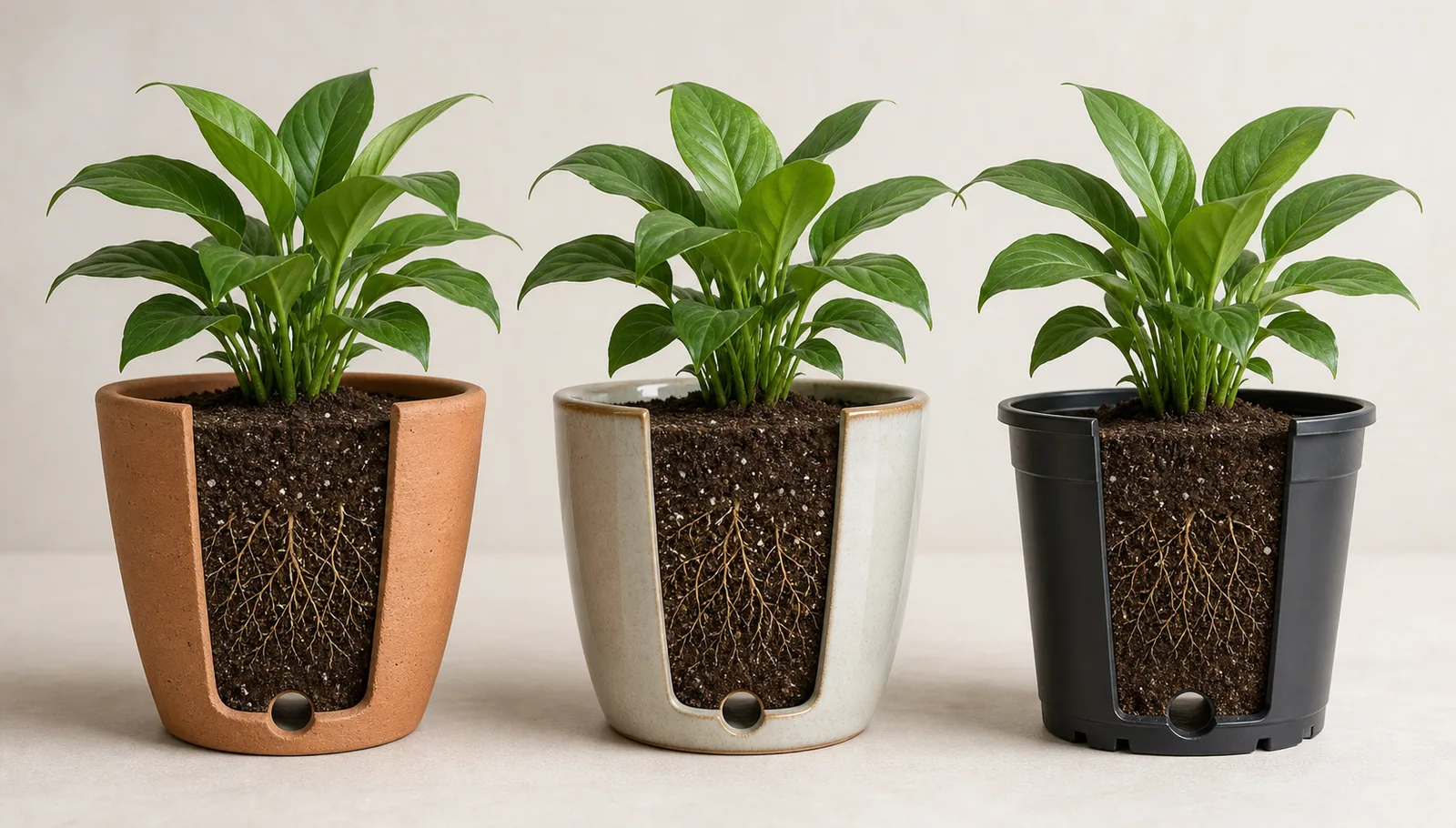
Does Pot Material Affect How Fast Potting Mix Dries? Unglazed terracotta, glazed ceramic, and plastic pots let potting mix lose water in different ways. Learn why pot material matters, and why checking the mix matters more than a calendar.
What Is the Leaf Boundary Layer? The leaf boundary layer is a thin region of slower-moving air next to a leaf. Learn how airflow, leaf size, hairs, stomata, water vapor, carbon dioxide, and heat exchange interact.