How does a seed germinate?
See how a seed becomes a seedling.
Topic C
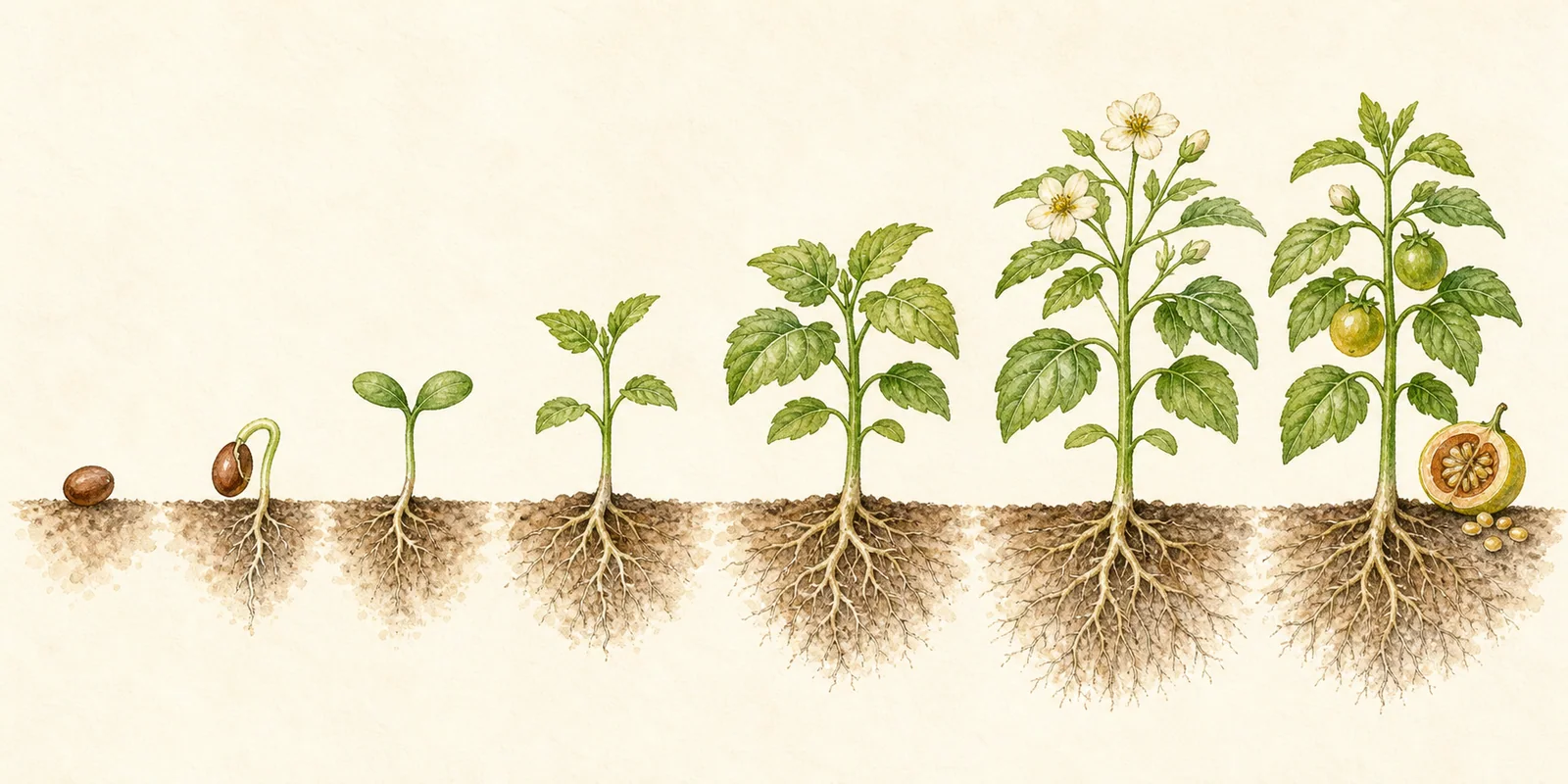
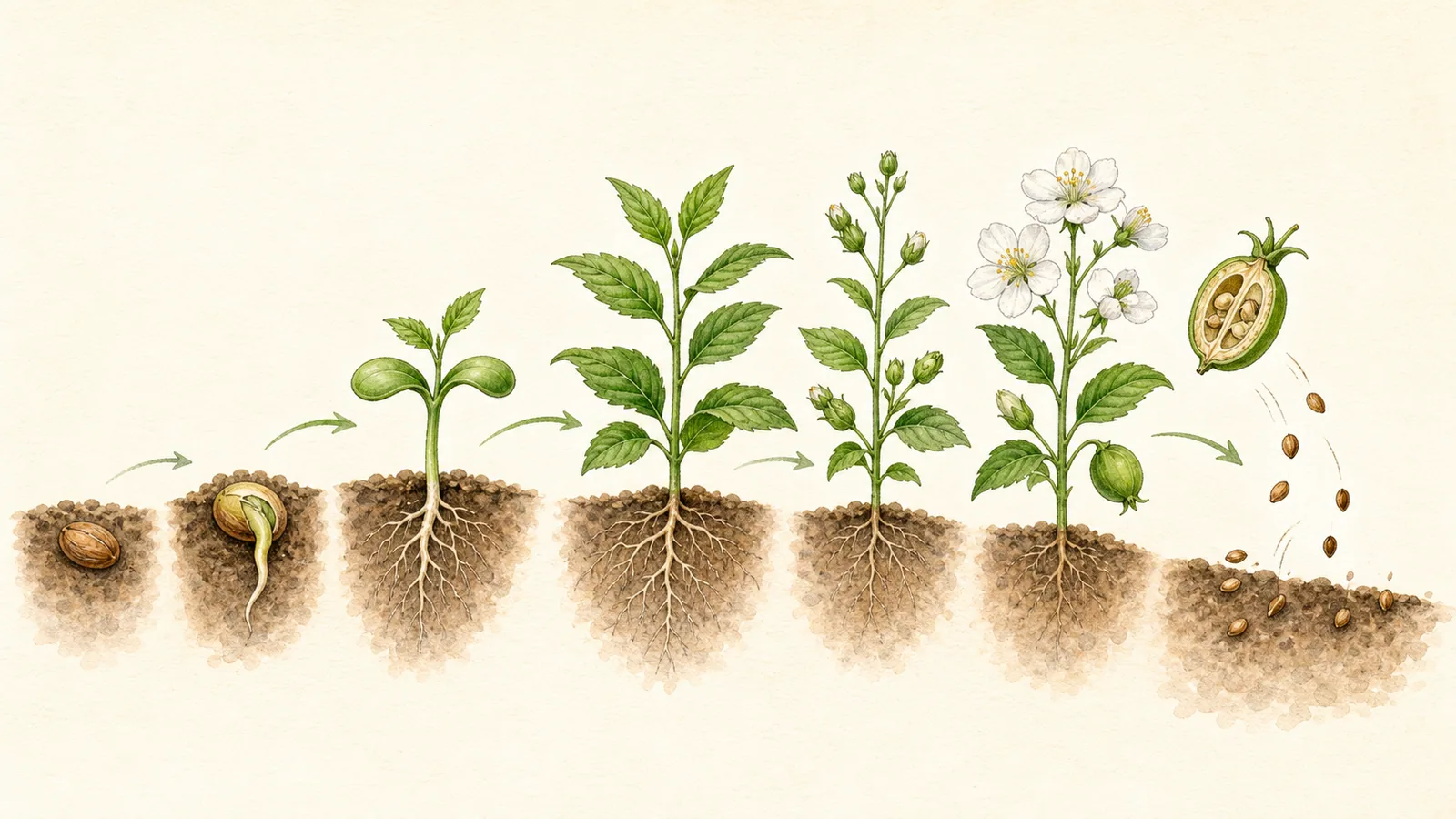
Follow a plant through seed, germination, seedling growth, flowering, fruiting, and seed dispersal.
Reading Path
Each topic gives a simple route first, then connects to individual articles.
See how a seed becomes a seedling.
Organize the life cycle in time order.
Connect flowers, fruits, and seeds.
Available Now
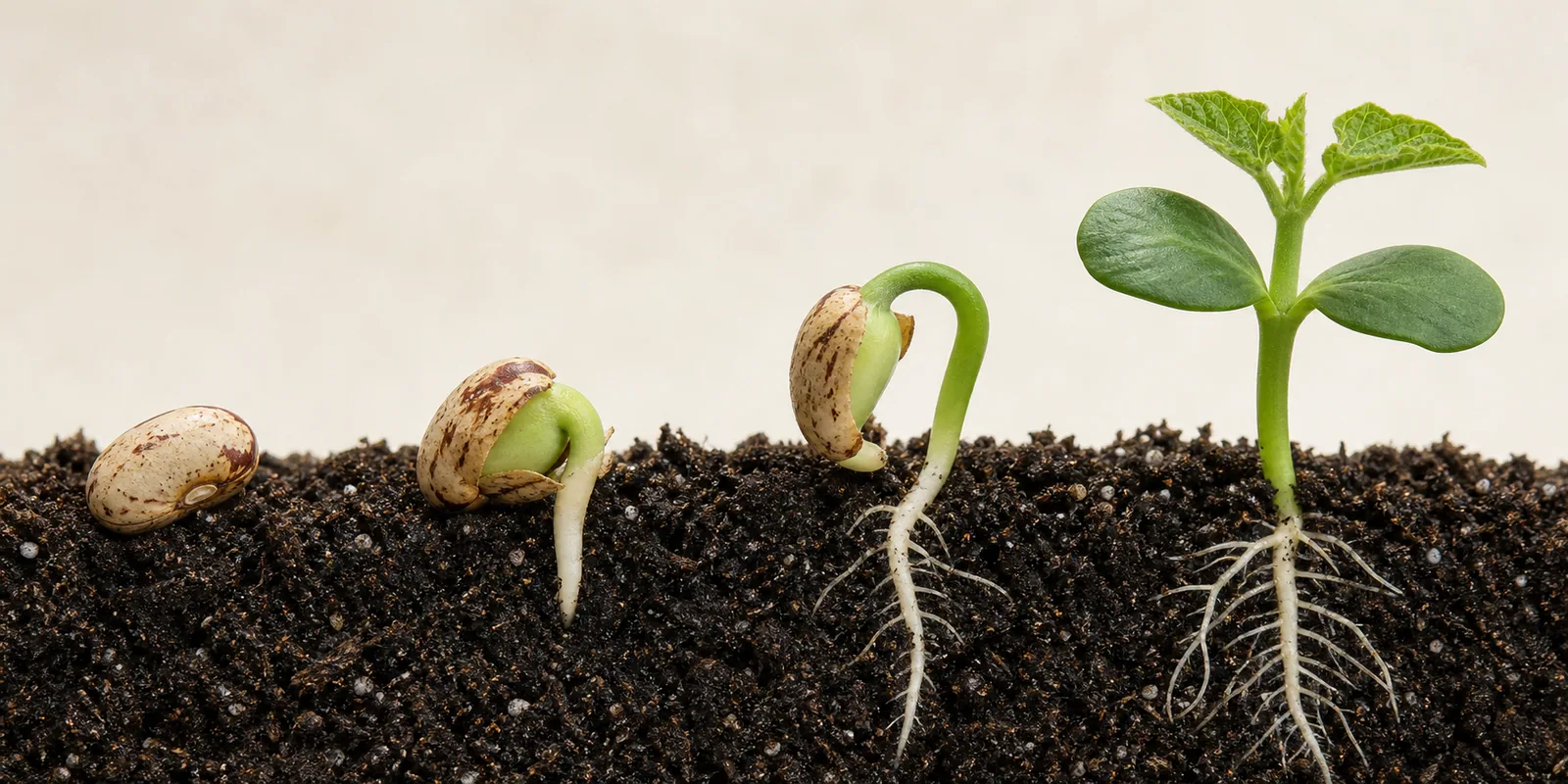
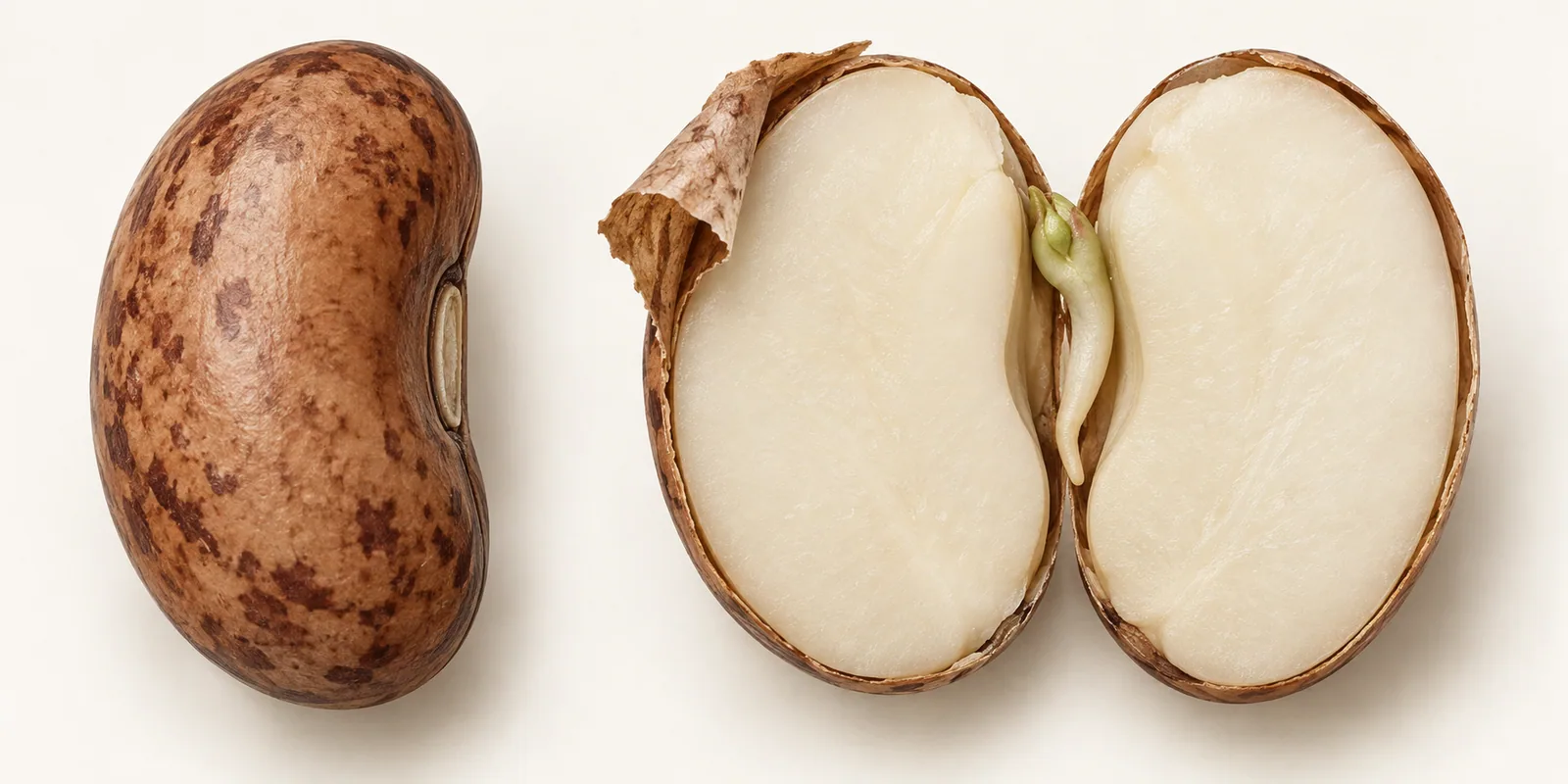
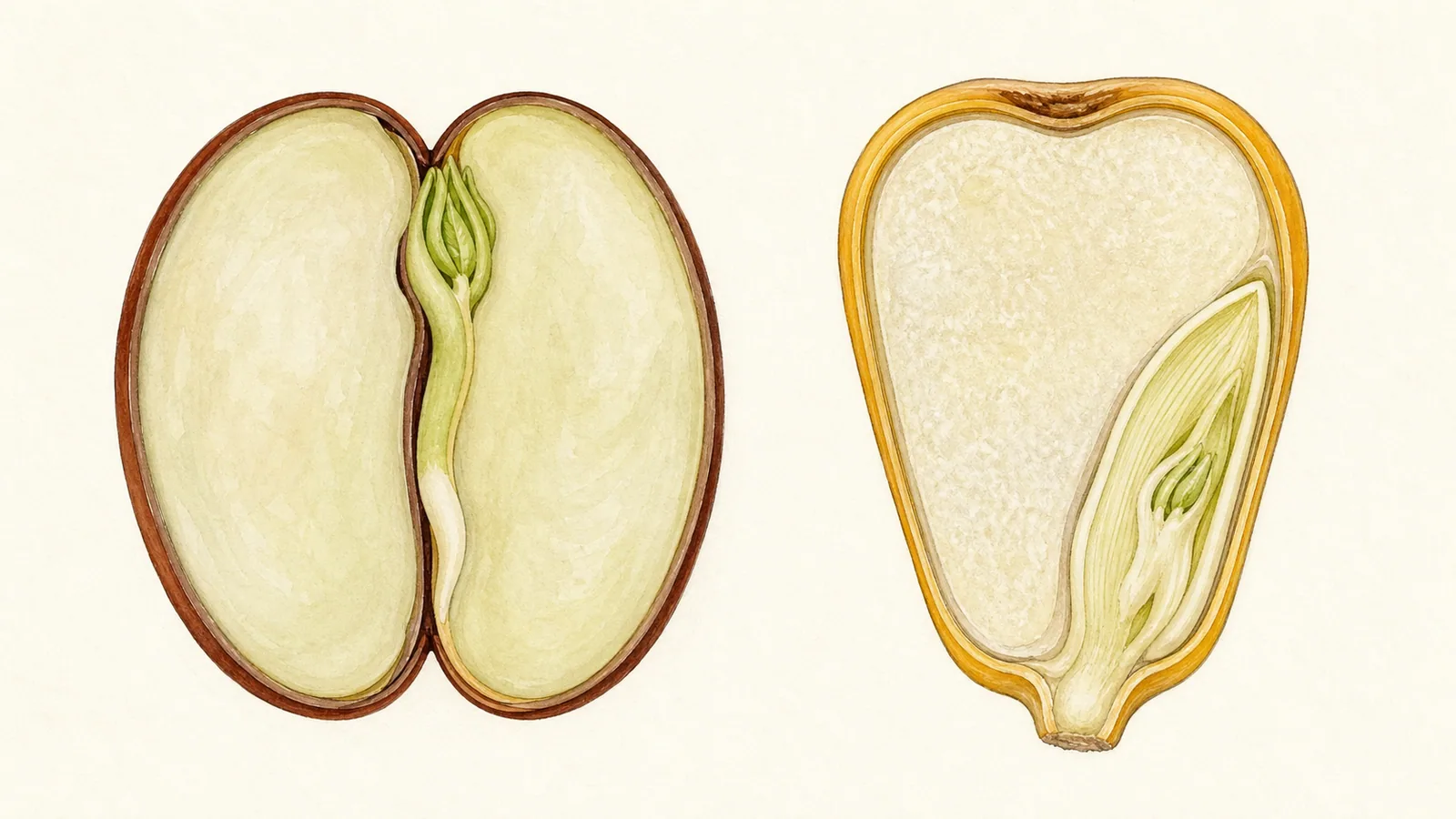
How does a seed germinate? Seed germination often starts with water uptake, then the radicle emerges and the seedling begins to build roots and leaves. Learn how water, oxygen, temperature, and stored resources fit together.
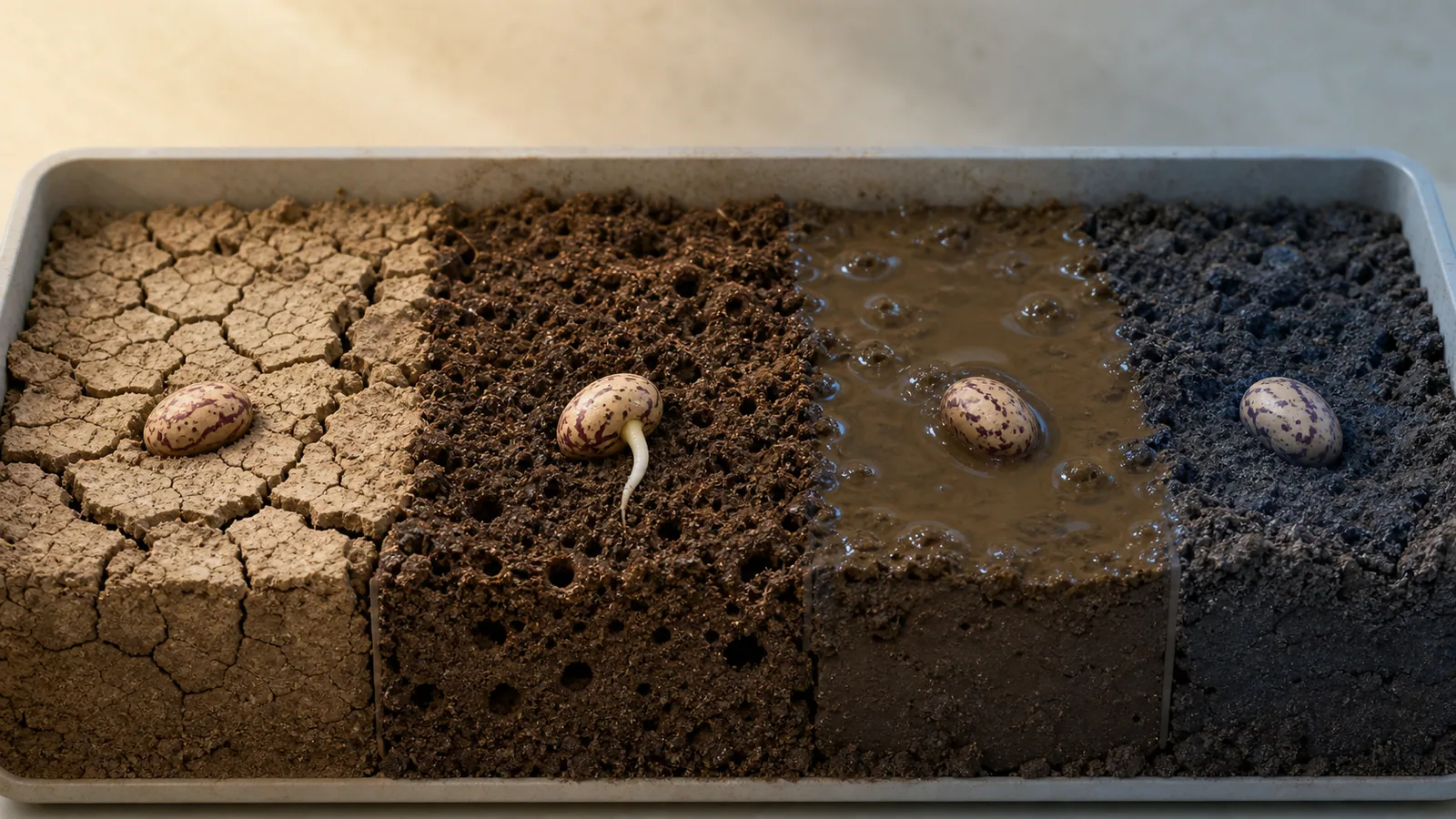
What conditions do seeds need to germinate? Seeds usually need water, oxygen, and a suitable temperature to germinate. Some are also affected by light, darkness, dormancy, seed coat conditions, or seed viability.
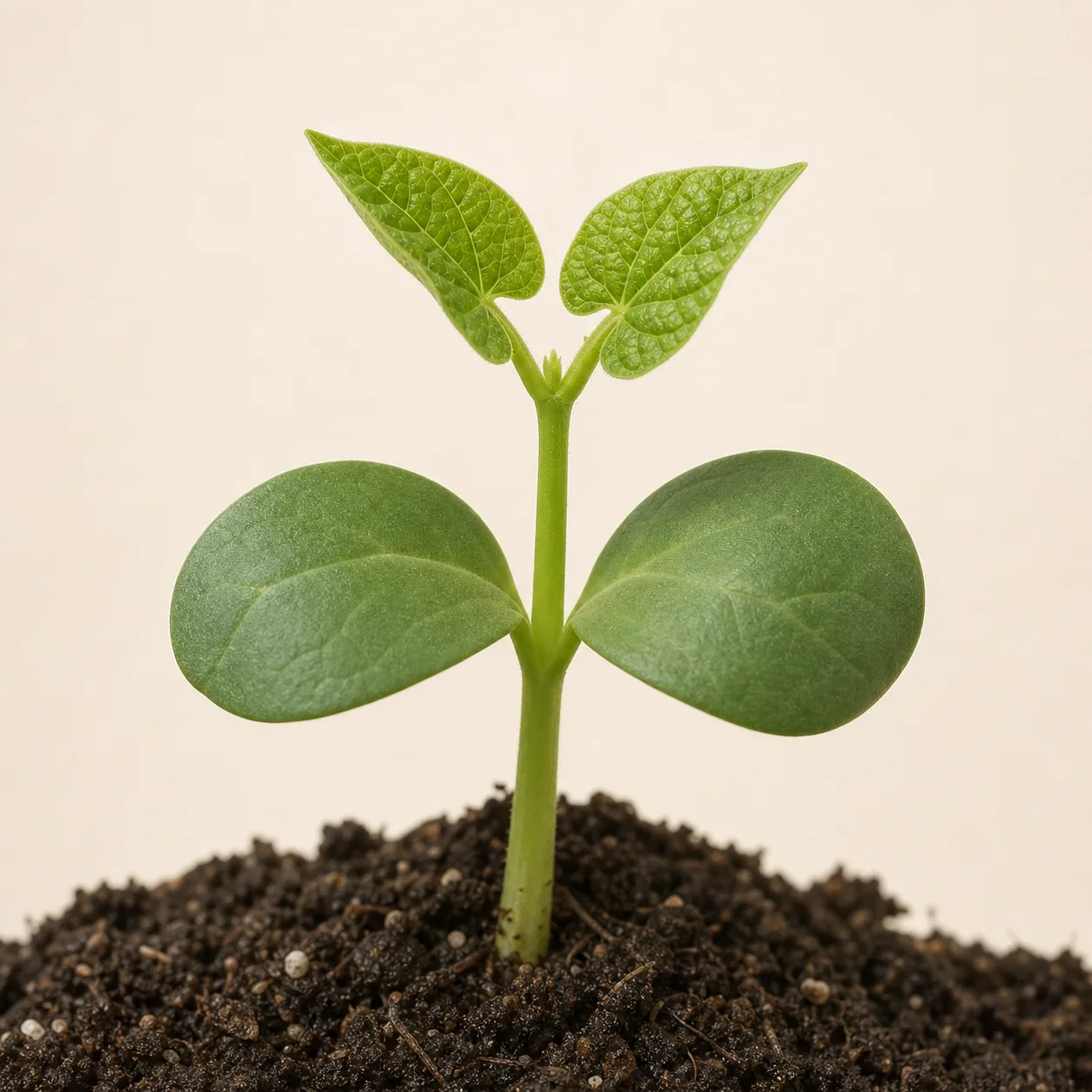
What is a seedling? A seedling is a young plant shortly after germination, when roots, stems, and leaves are being established. Learn how radicles, cotyledons, true leaves, and early growth fit together.
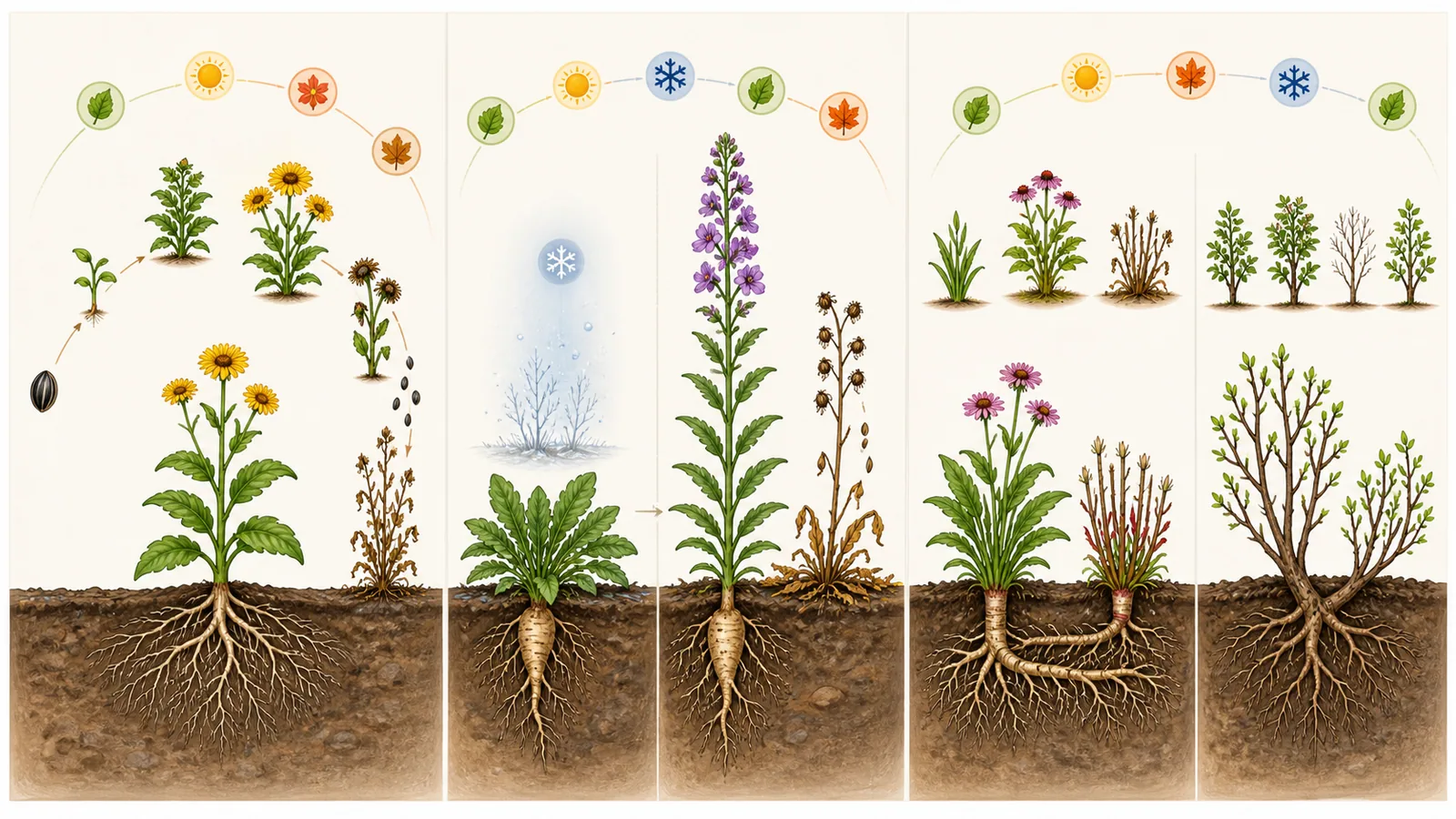
What stages are in a plant life cycle? A common flowering plant life cycle can start with seed germination, seedling growth, flowering, pollination, fruit and seed formation, dispersal, dormancy, or another growth cycle.
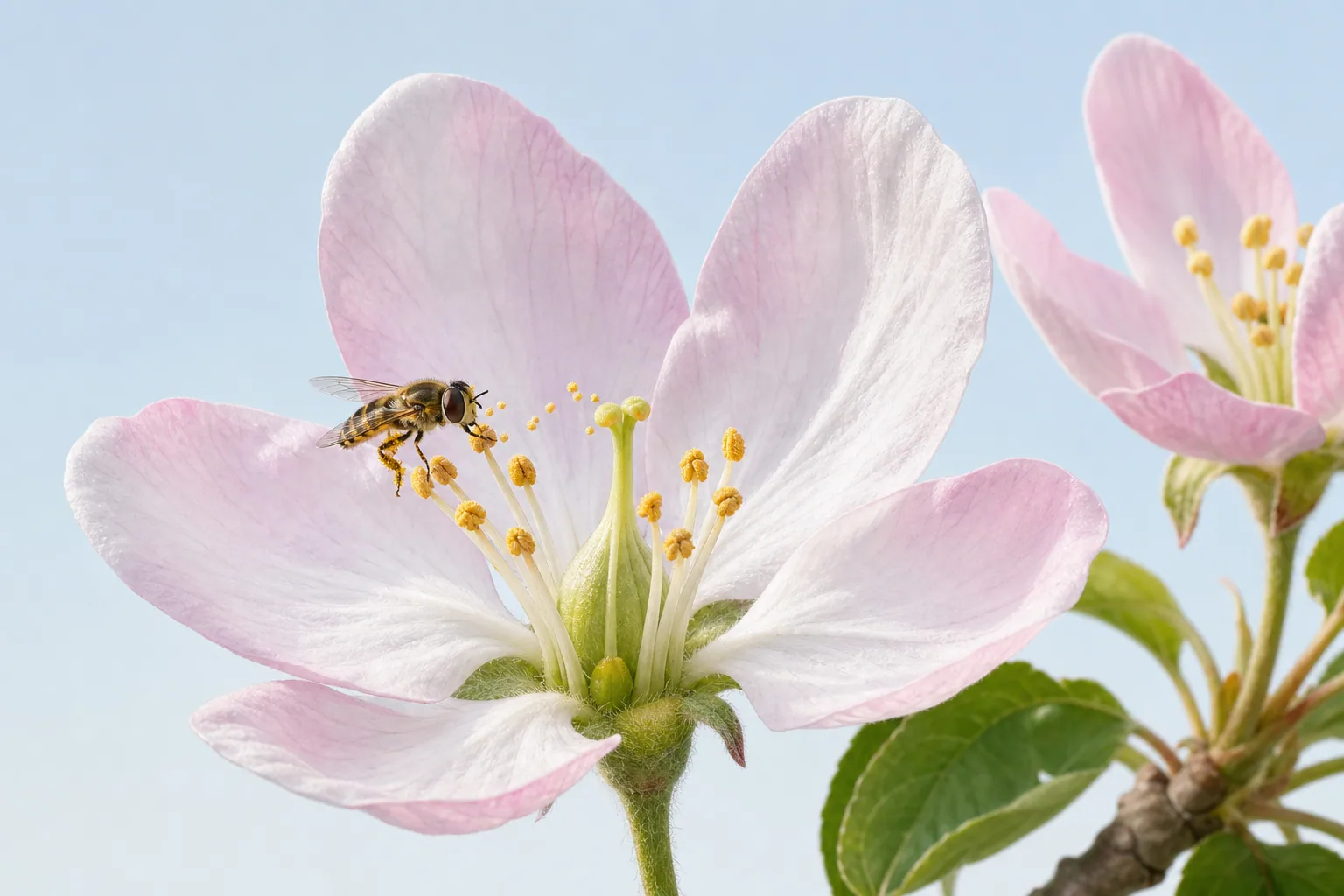
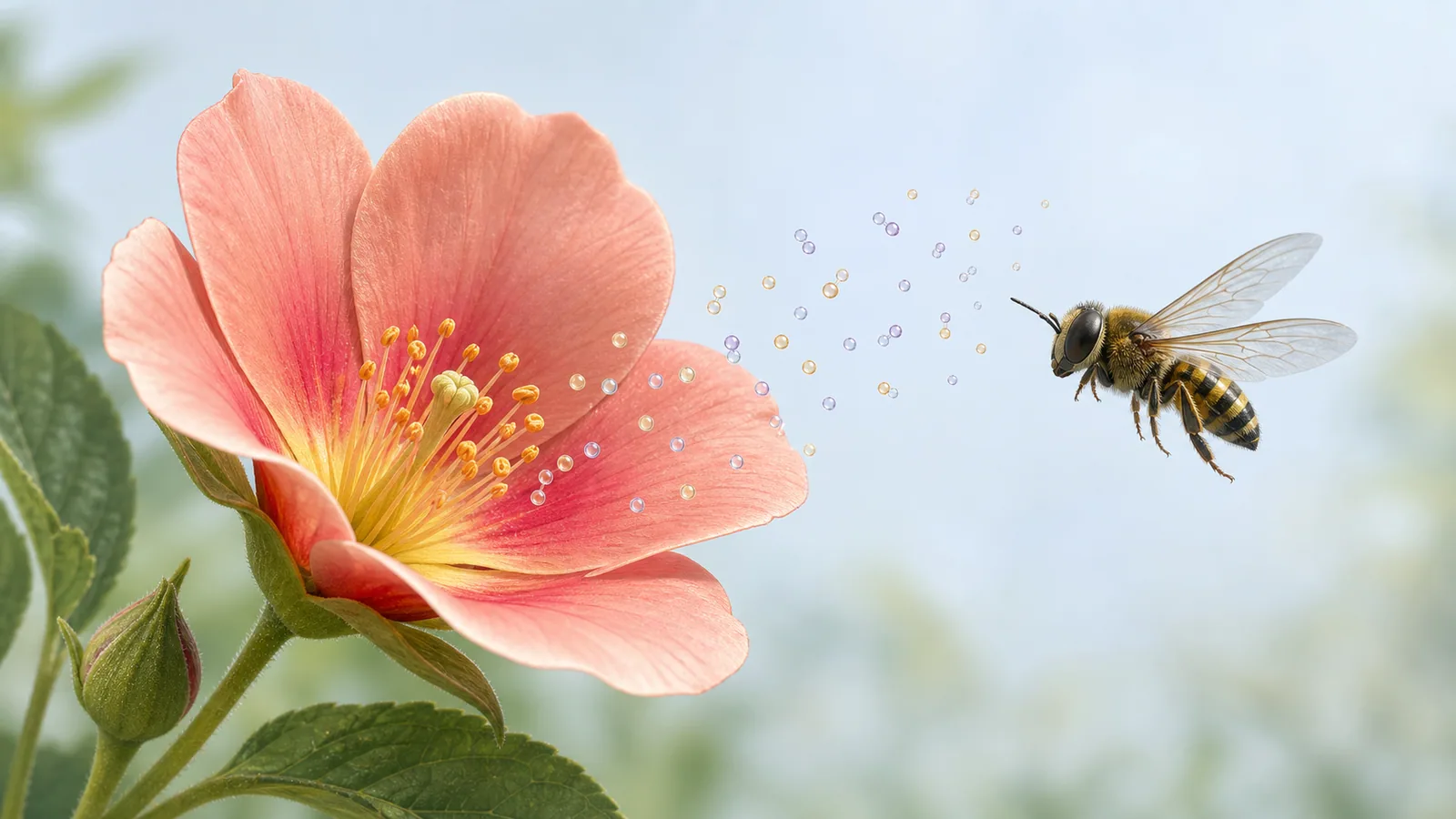
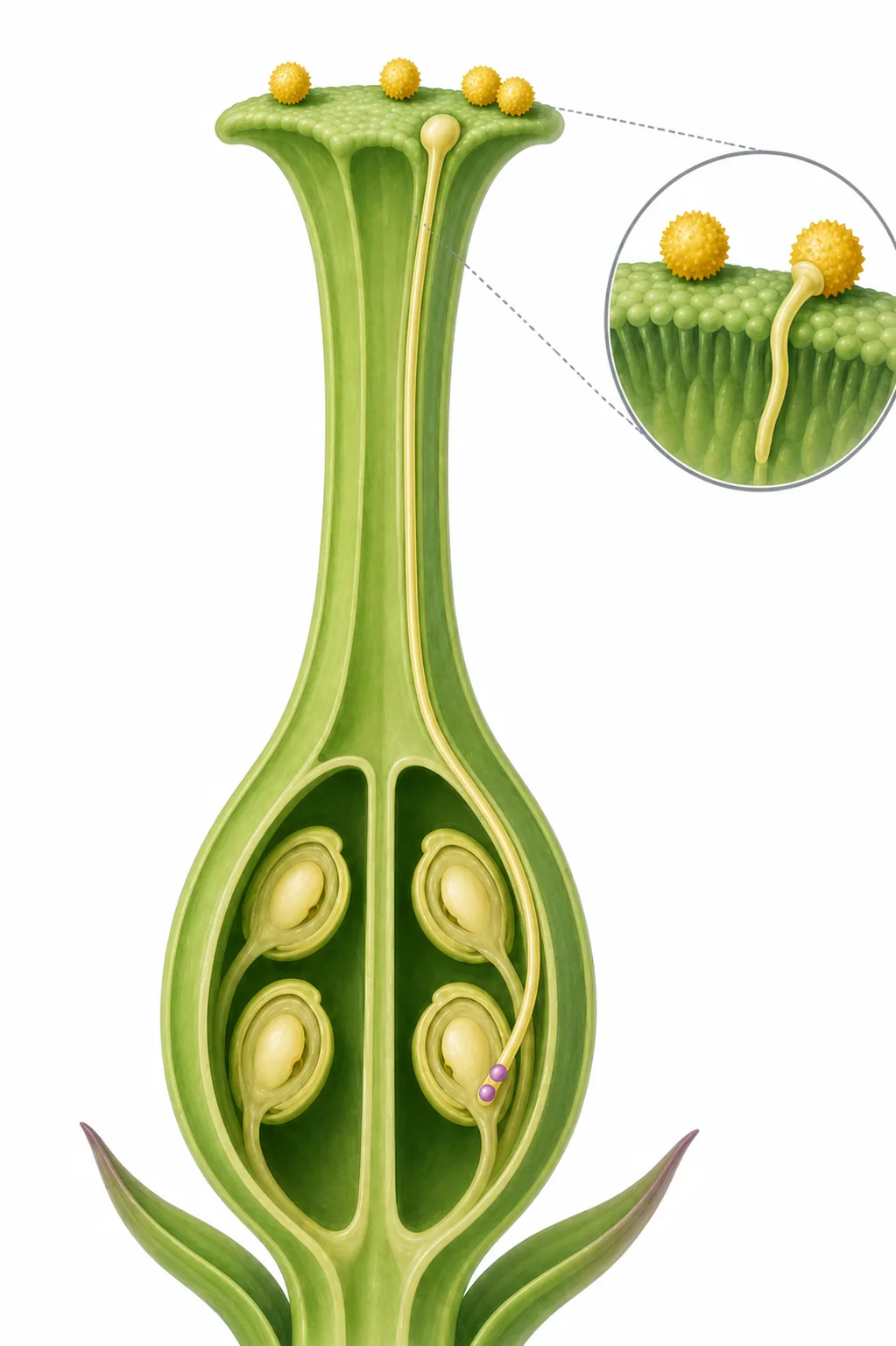
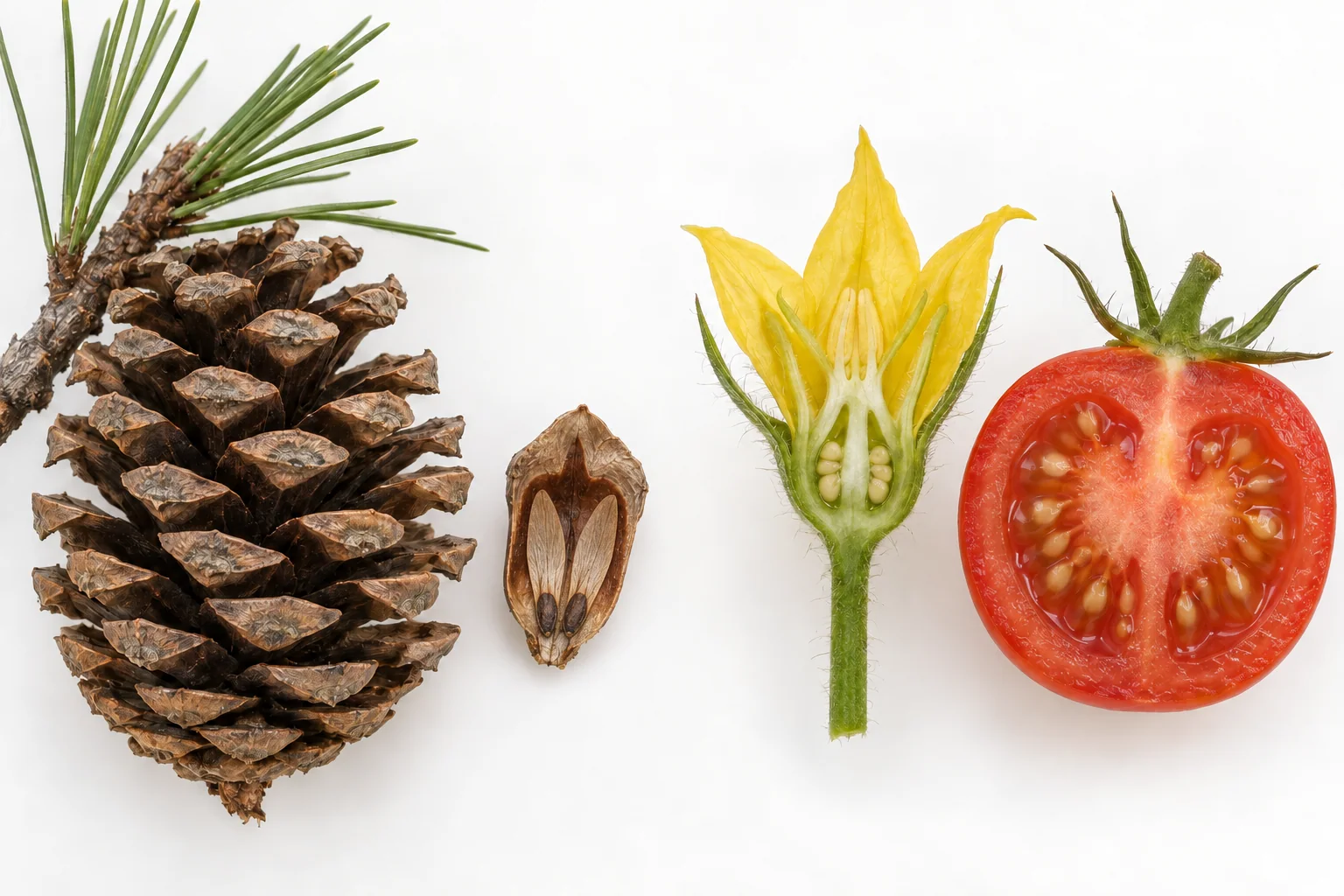
What is pollination? Pollination is the transfer of pollen to a stigma. It is not the same as fertilization. Learn how pollen, pollen tubes, ovules, seeds, and fruit formation connect.
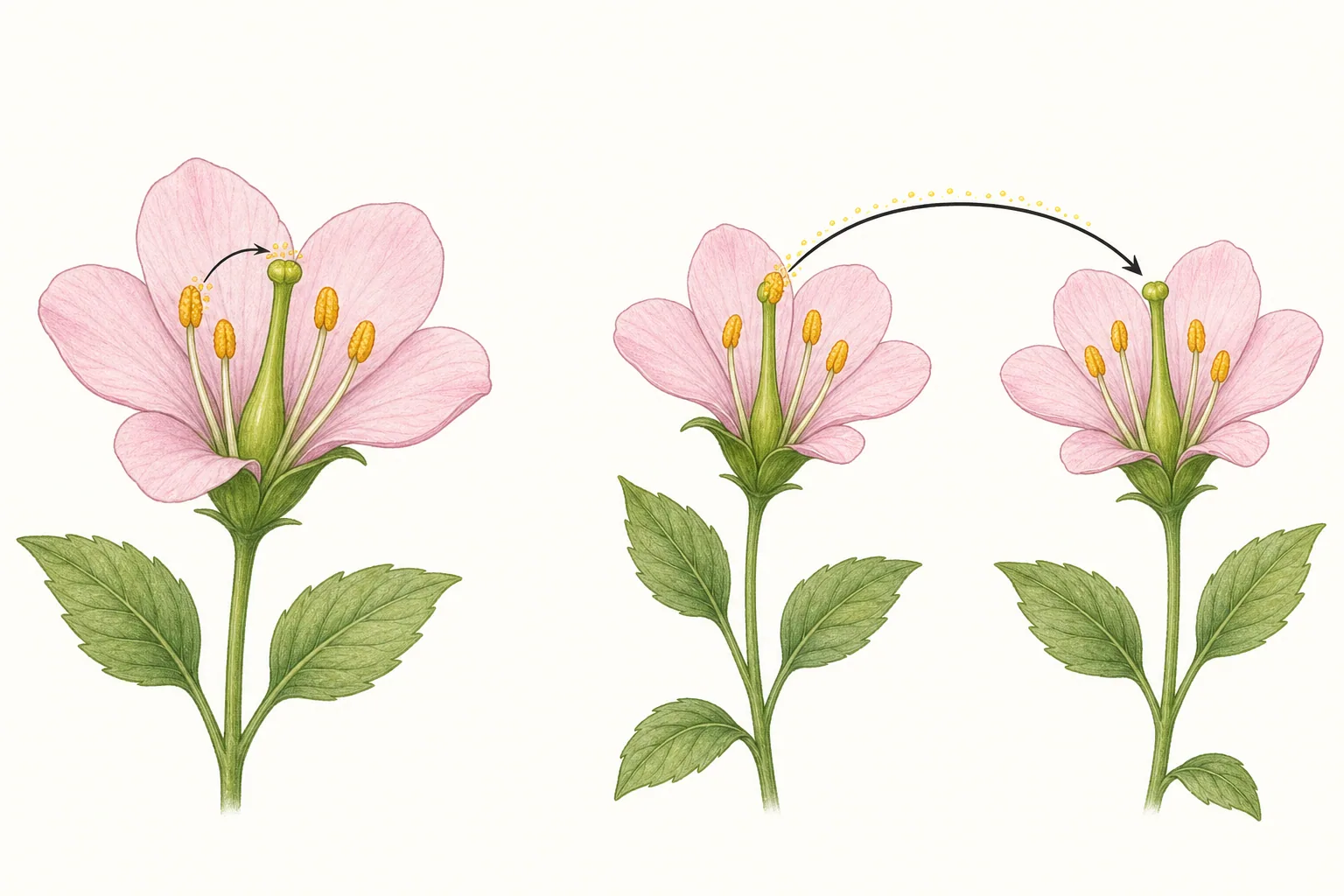
What is the difference between self-pollination and cross-pollination? Self-pollination and cross-pollination differ by pollen source. Learn how pollen moves within one plant or between different plants of the same species.
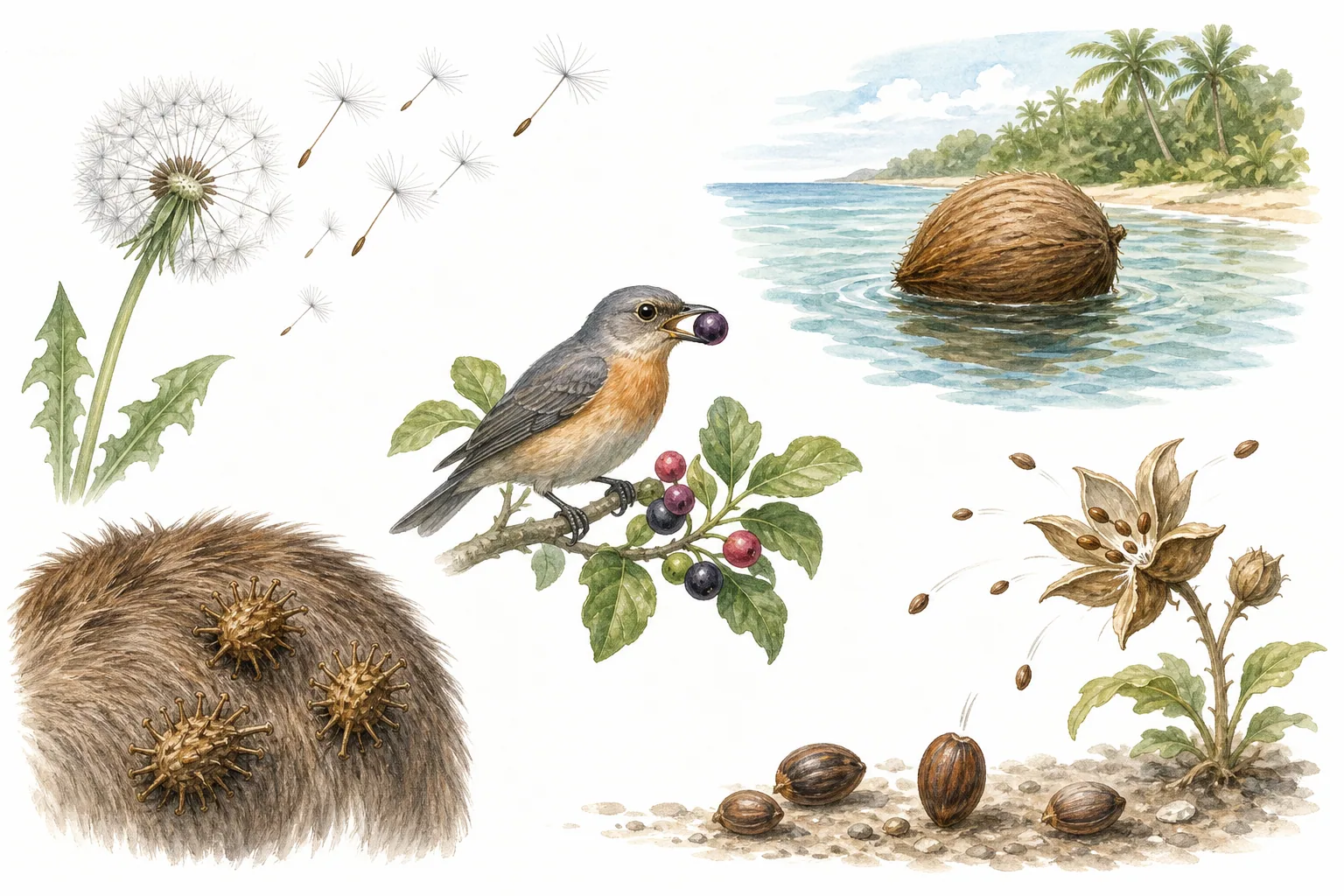
How do seeds disperse? Seed dispersal is the movement of seeds away from the parent plant. Learn how wind, water, animals, hooks, explosive fruits, and gravity help seeds move.
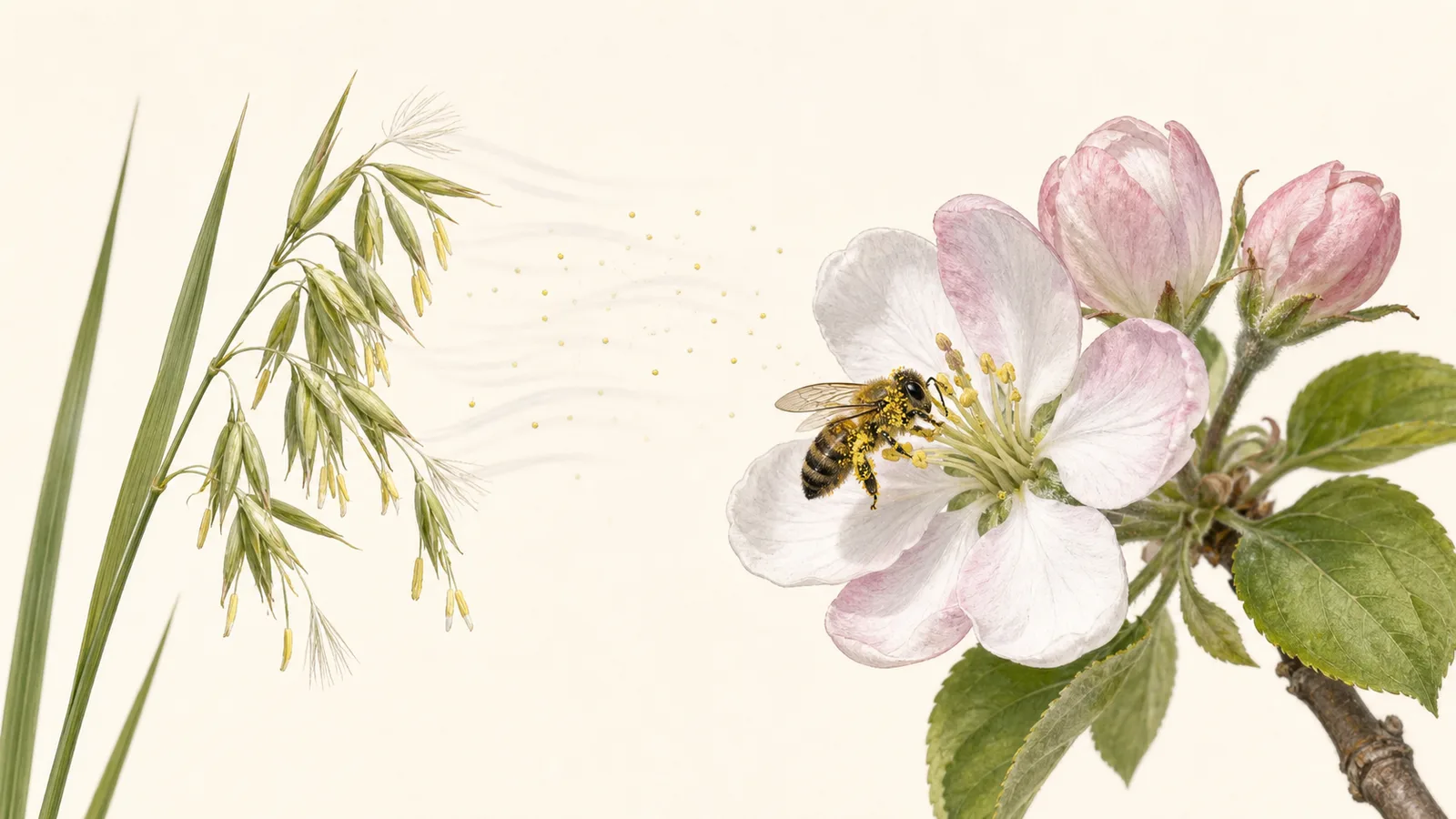
Wind-pollinated vs insect-pollinated flowers Learn how wind-pollinated and insect-pollinated flowers differ by how pollen moves, including petals, scent, nectar, pollen amount, anther position, and stigma shape.
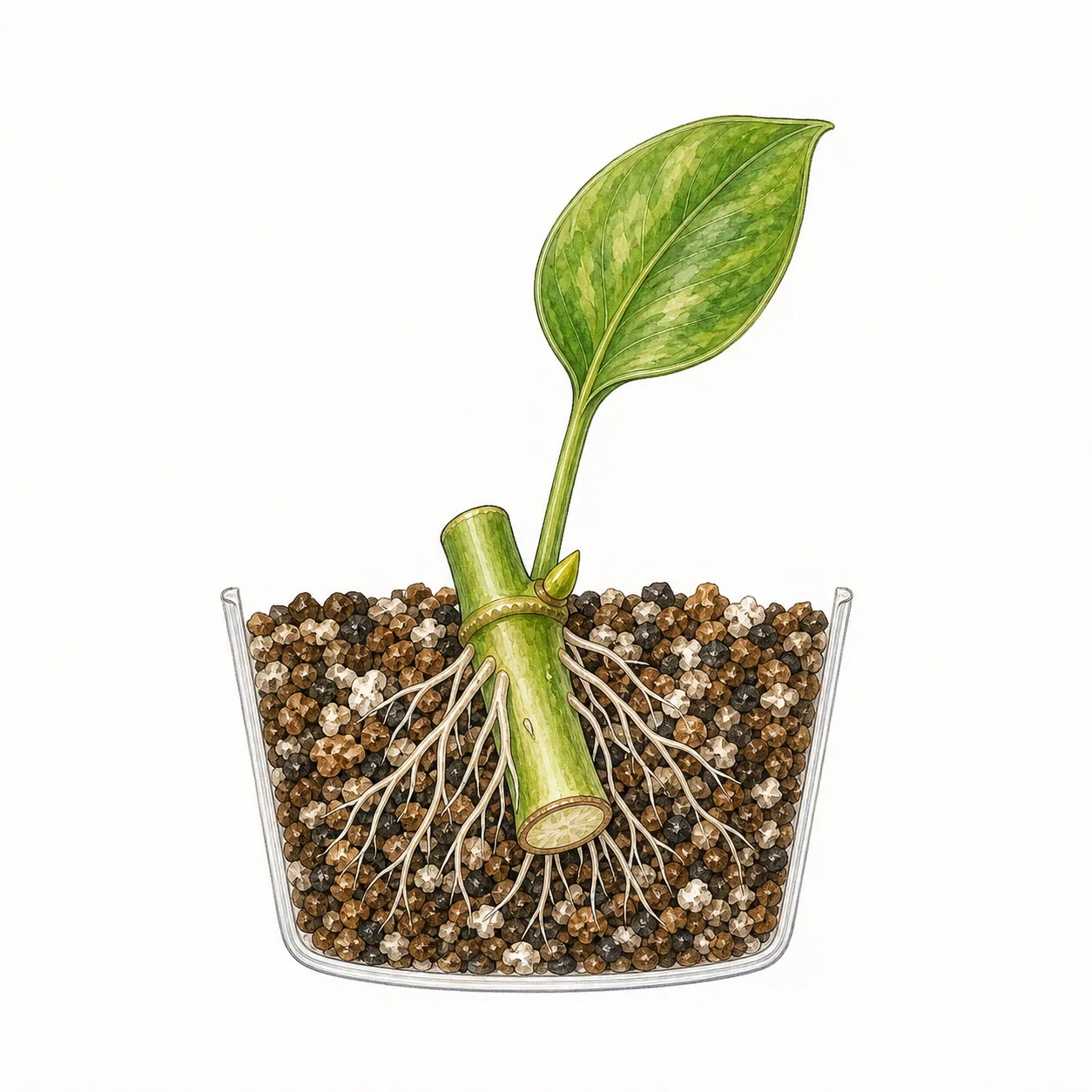
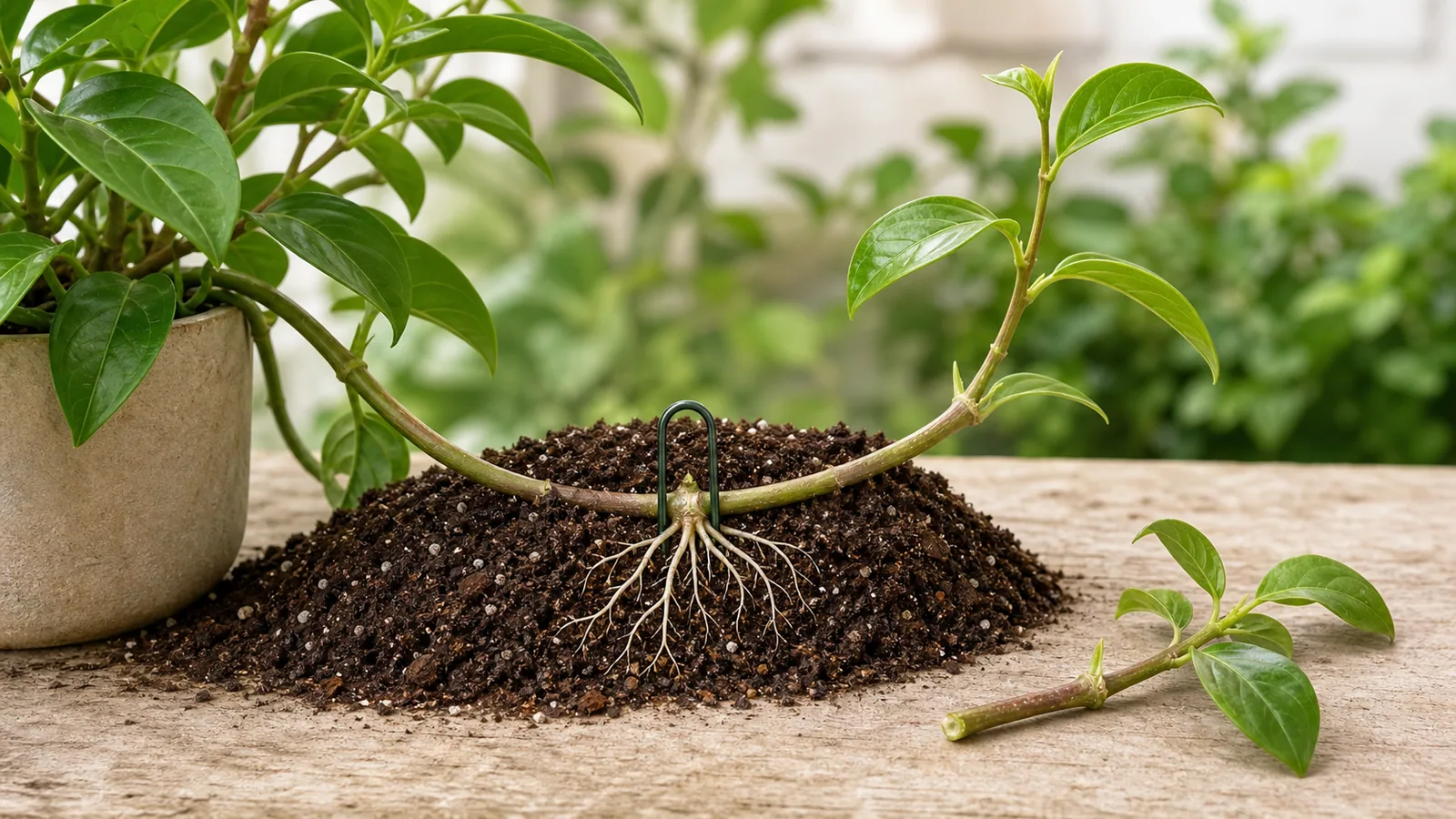
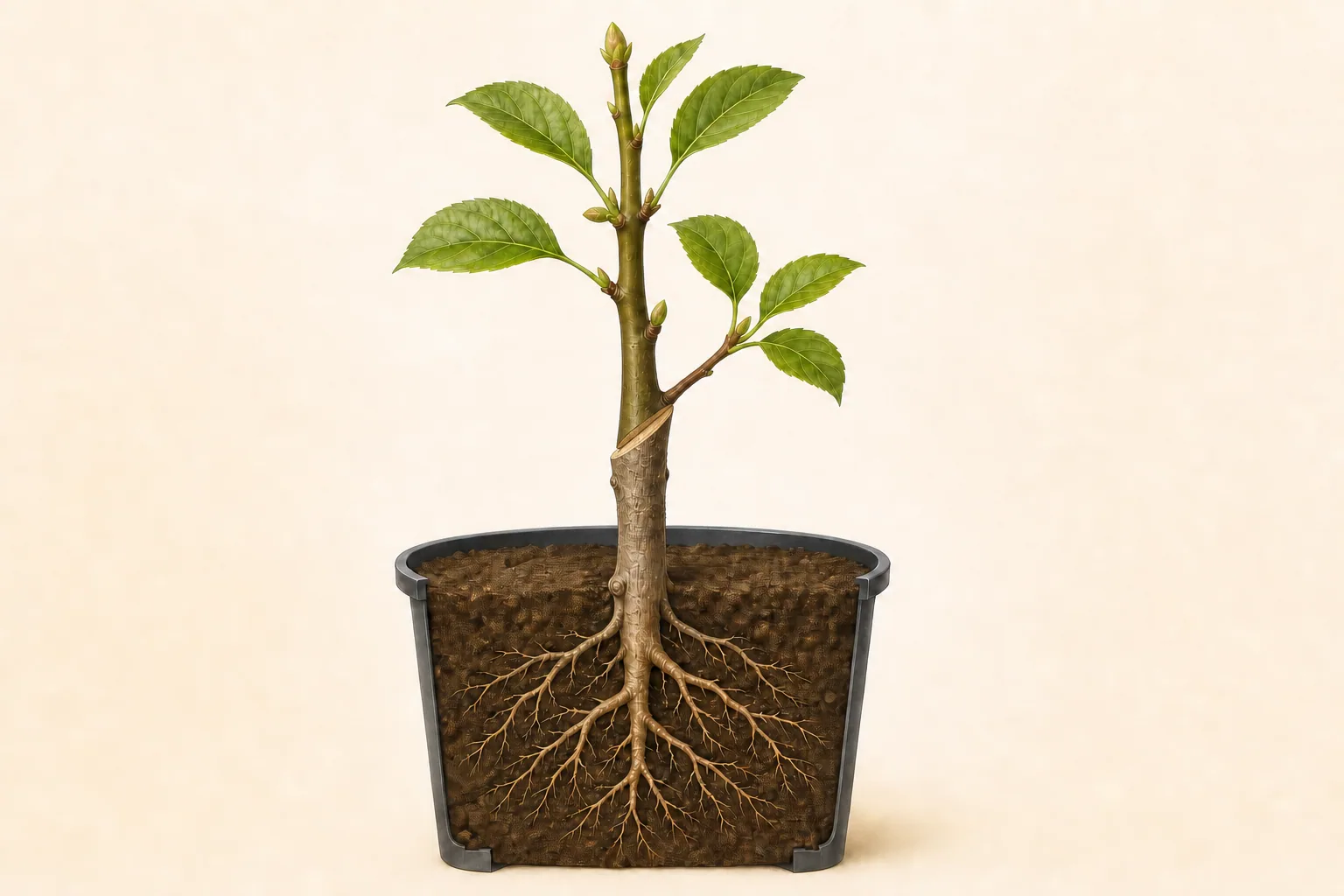
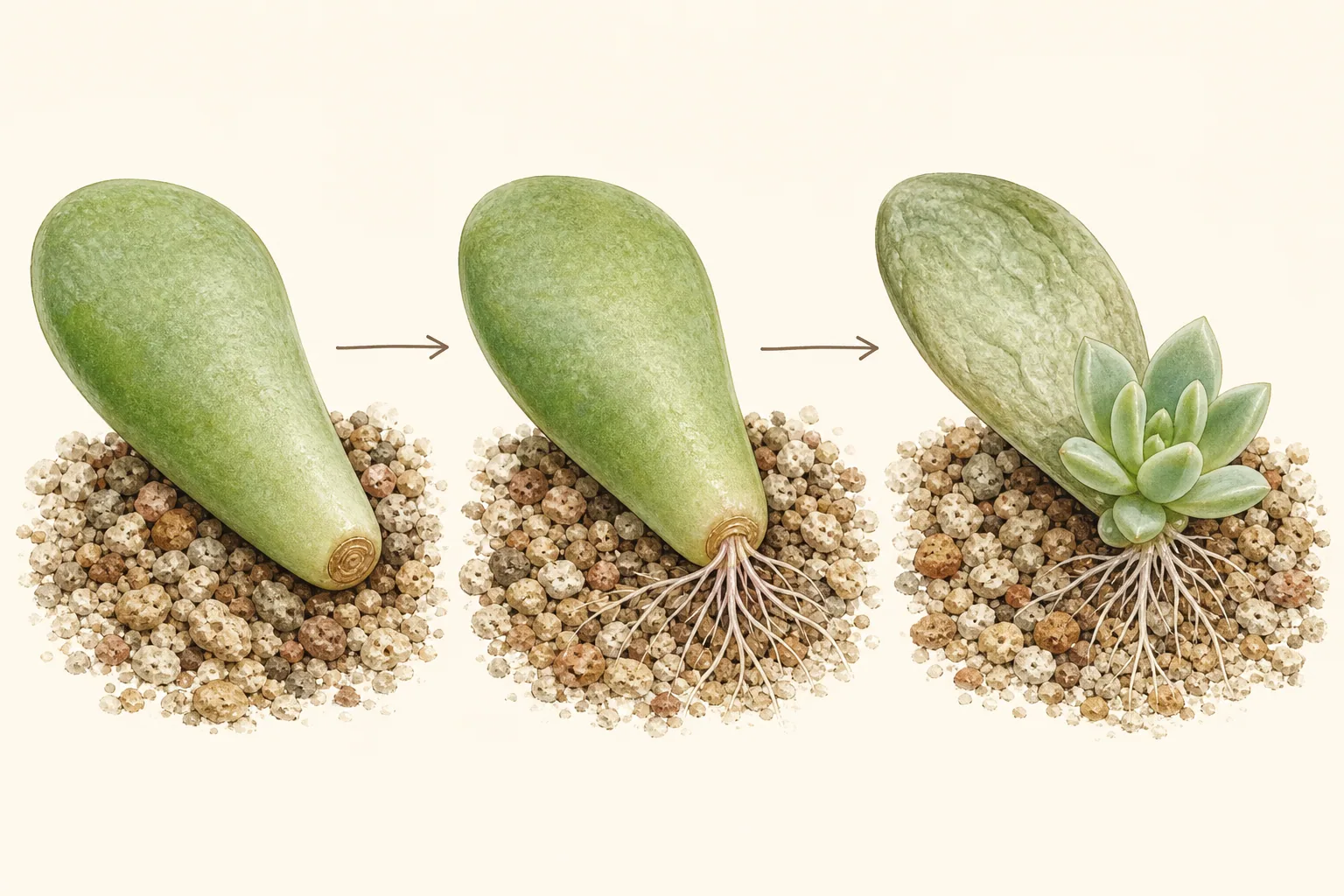
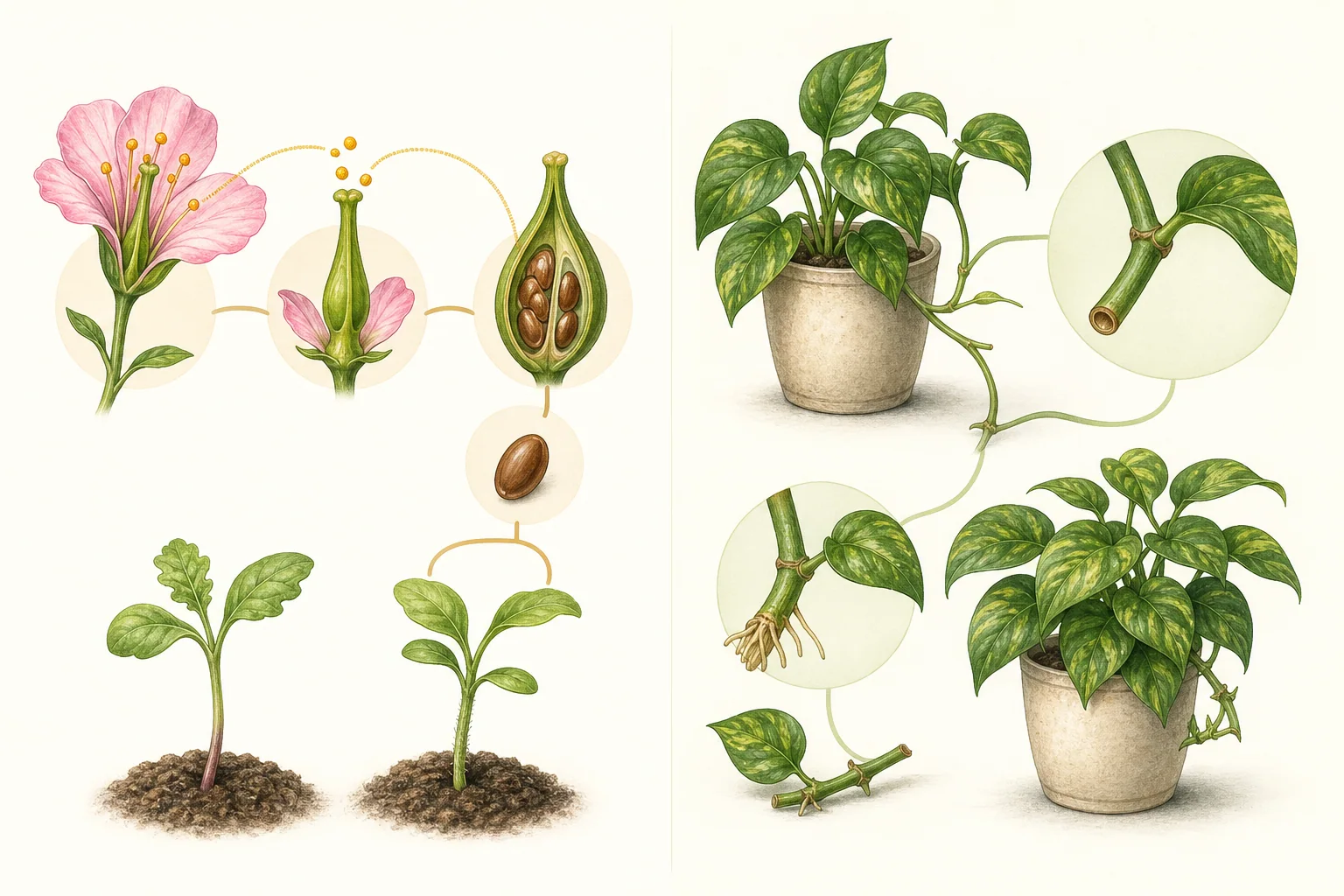
What is cutting propagation? Cutting propagation uses part of a plant, such as a stem, leaf, or root section, to grow a new plant. Learn how it differs from seeds and how adventitious roots, nodes, water, and air fit together.
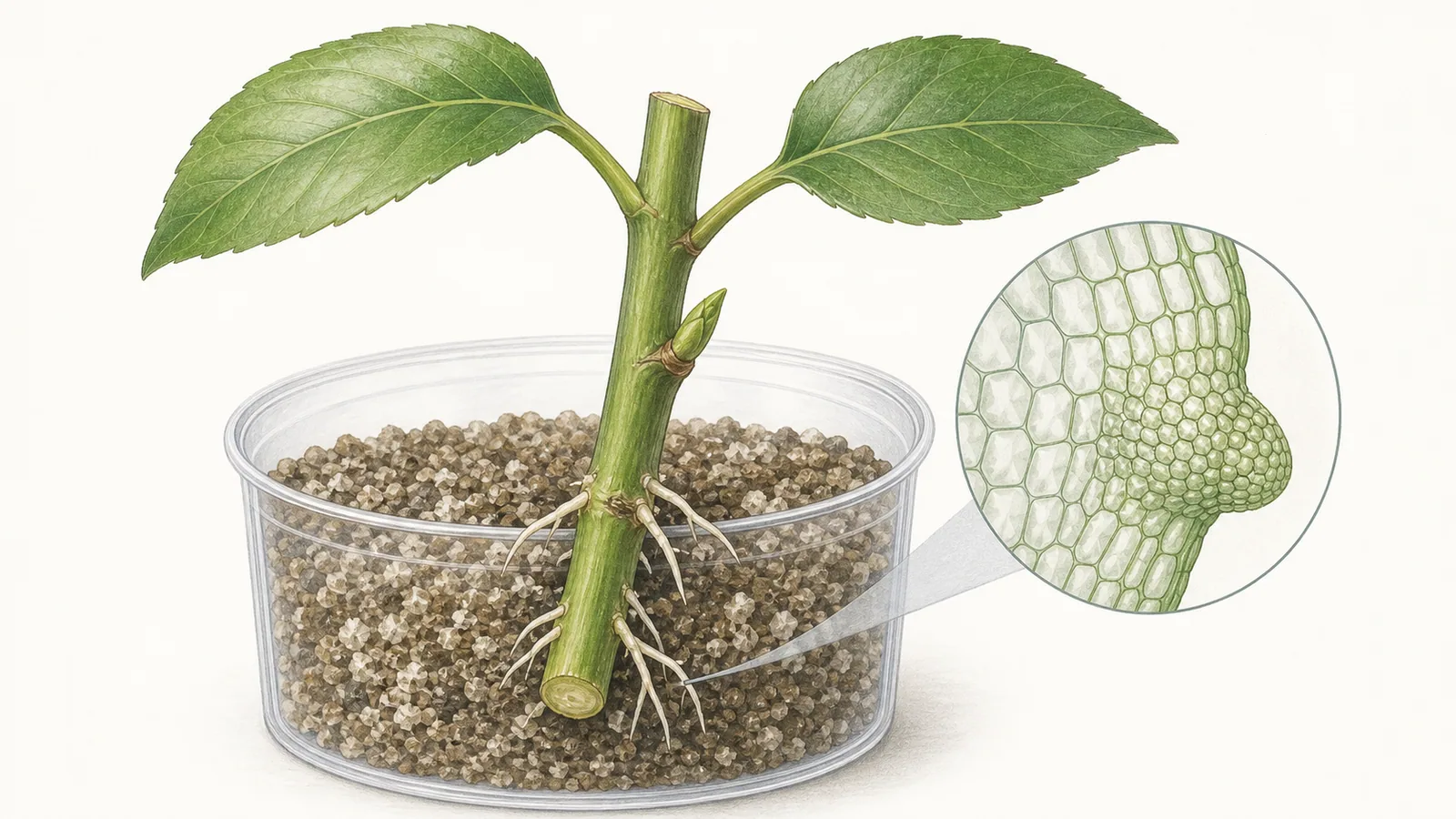
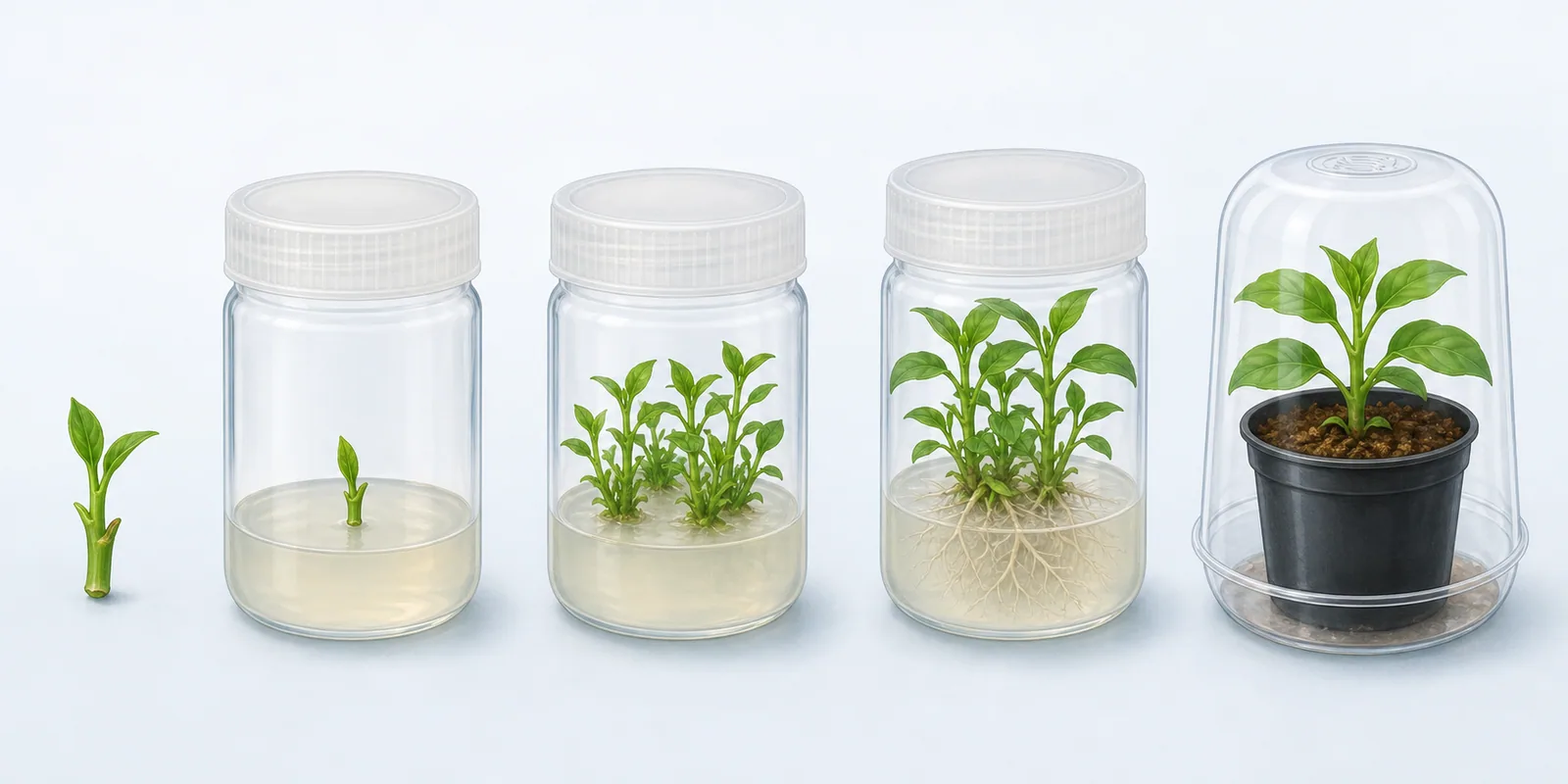
Why can some plant cuttings grow roots? Some plant cuttings can form adventitious roots from stems, nodes, or cut surfaces. Learn how living tissue, nodes, buds, auxin, and plant regeneration fit together.