What is photosynthesis?
See how leaves use light to make sugars and other organic materials.
Topic B
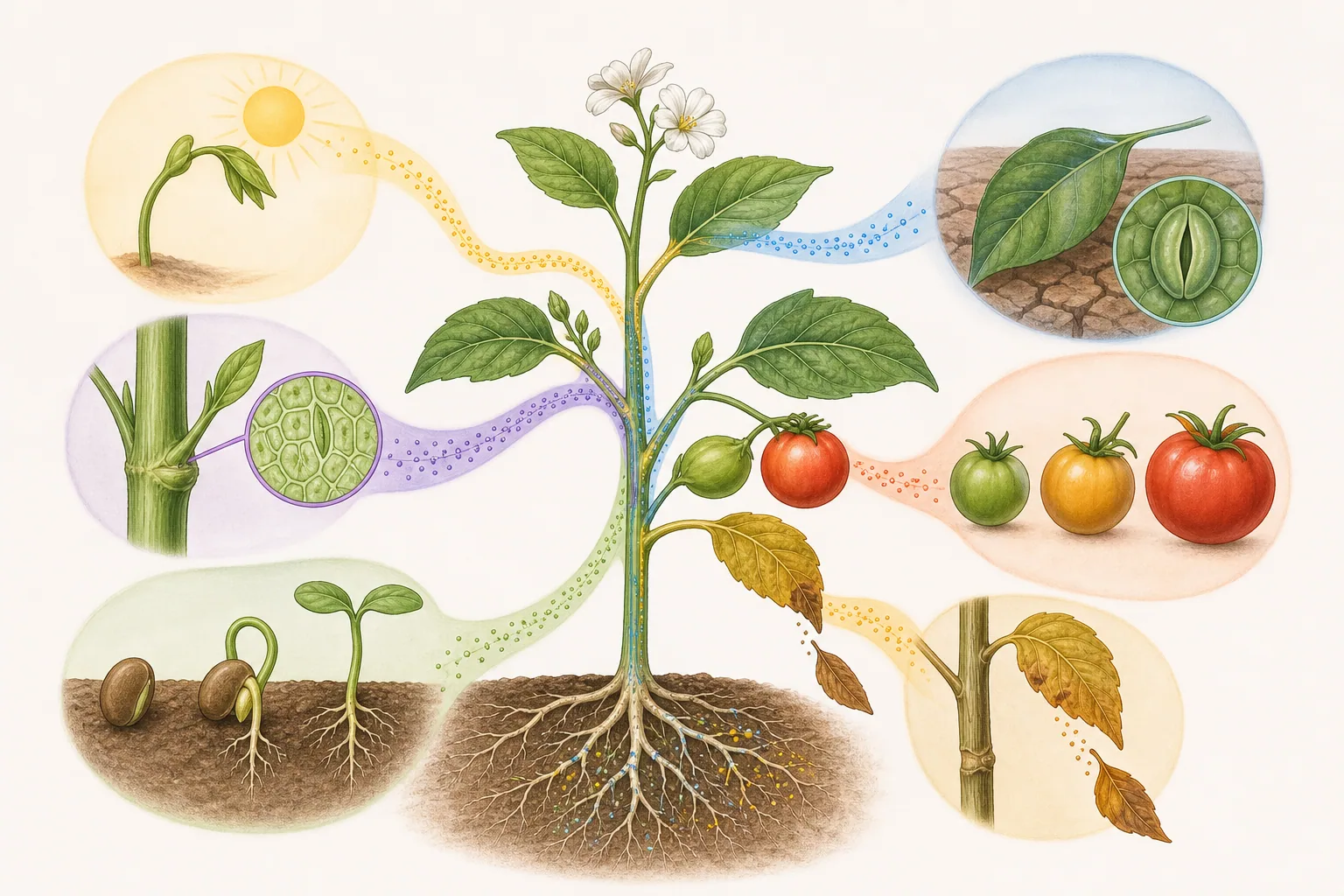
Start with light, water, and air, then connect photosynthesis, water movement, respiration, and plant responses to everyday observations.
Reading Path
Each topic gives a simple route first, then connects to individual articles.
See how leaves use light to make sugars and other organic materials.
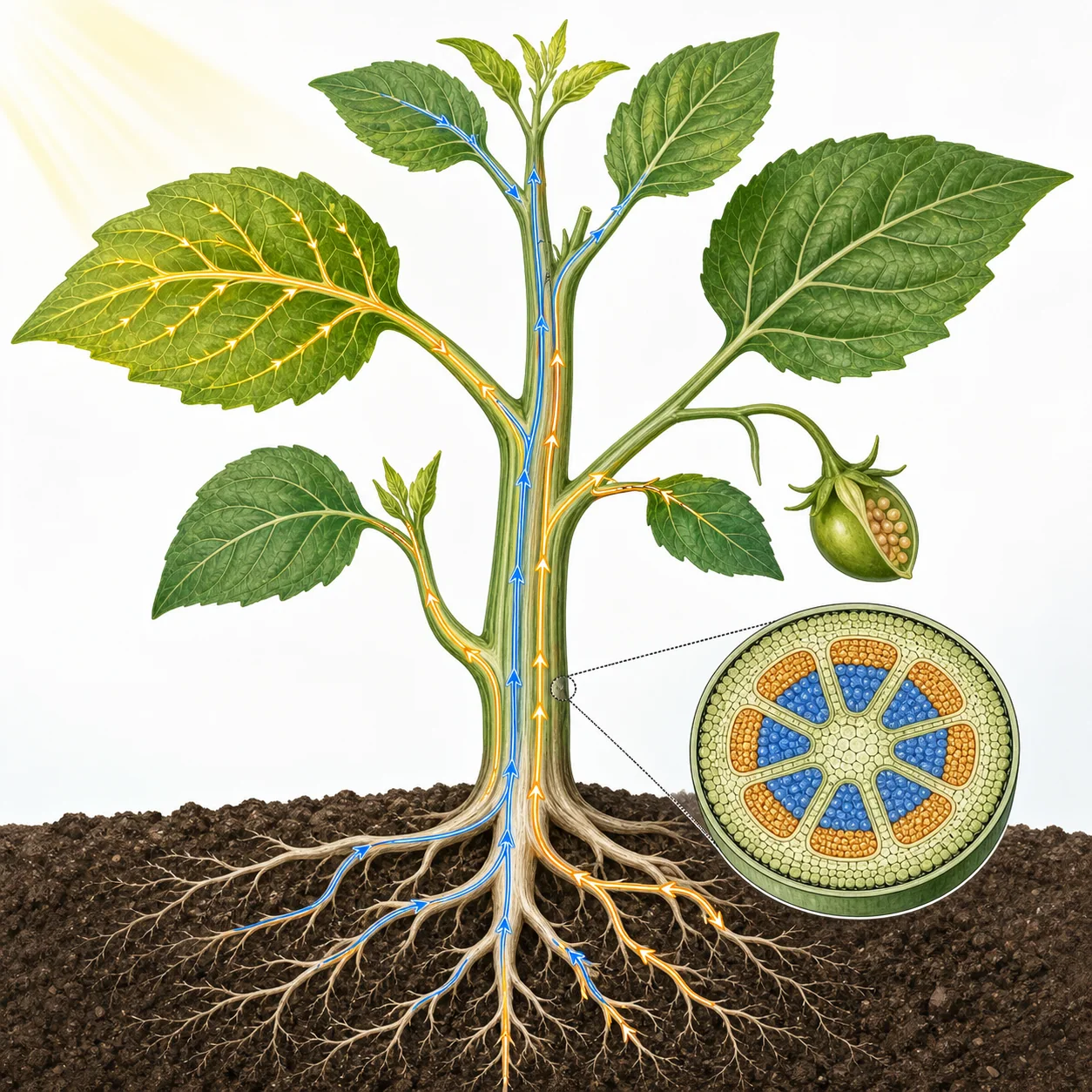
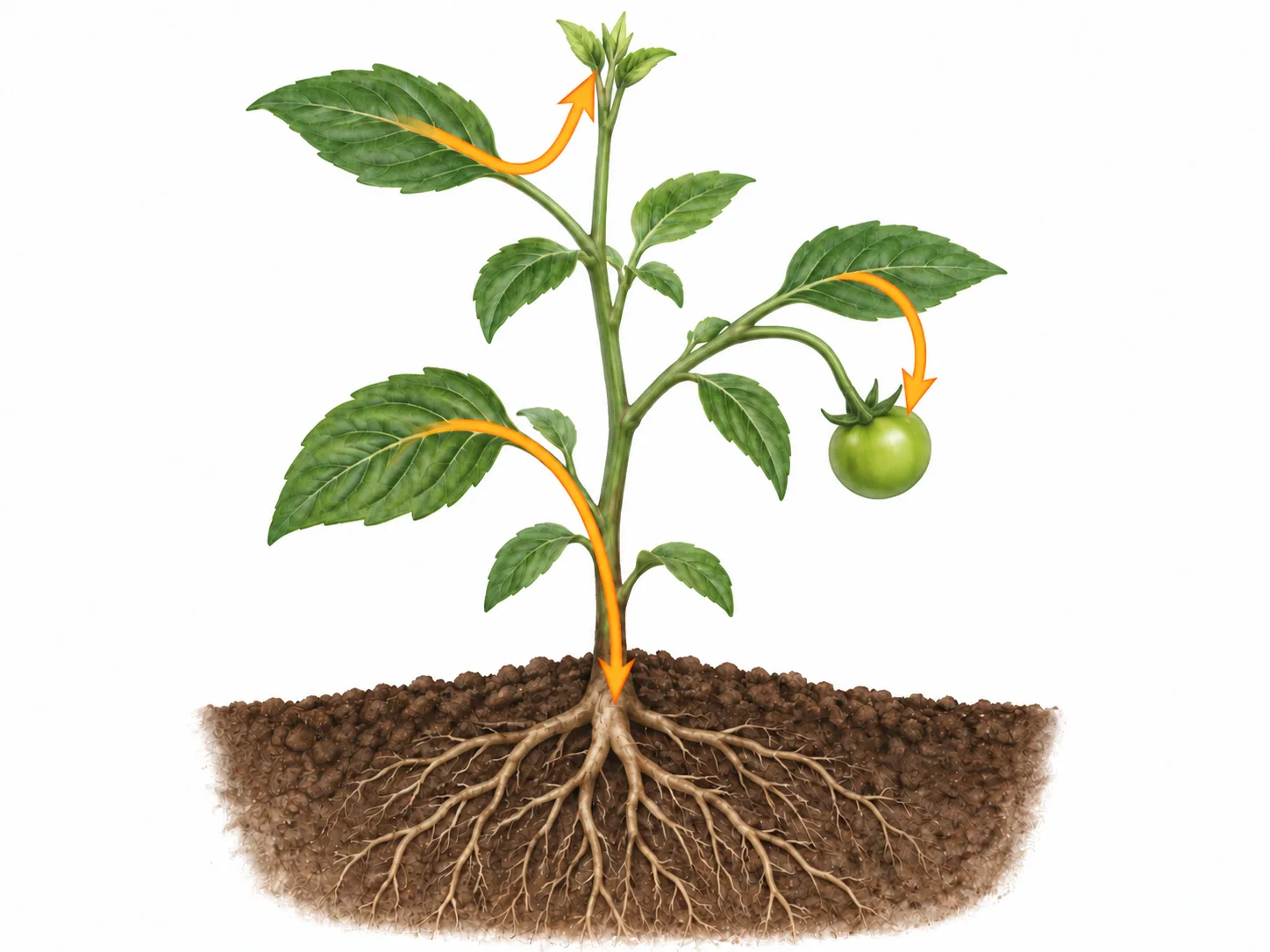
Connect roots, stems, and leaves as one transport system.
Use a window-side plant to understand phototropism.
Available Now
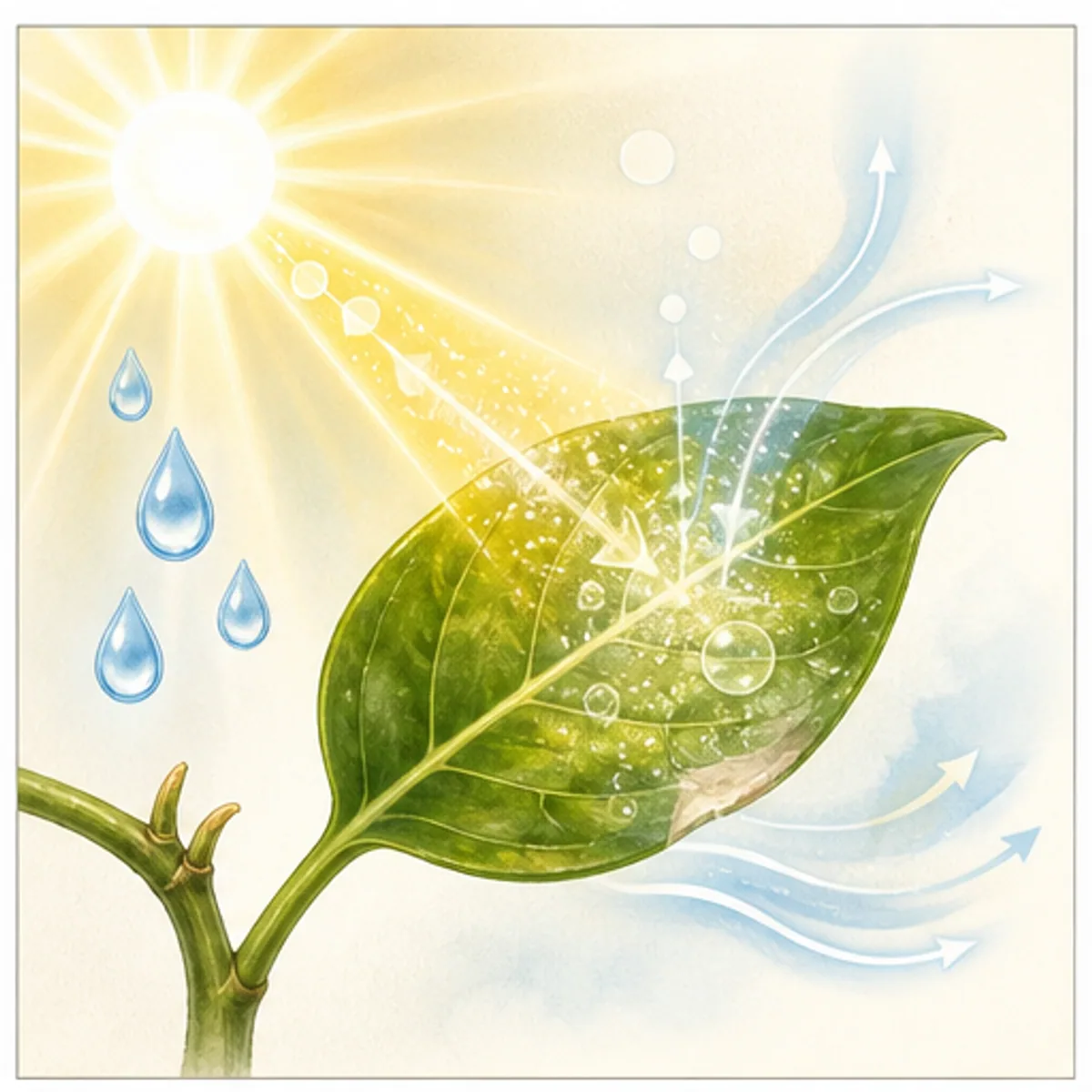
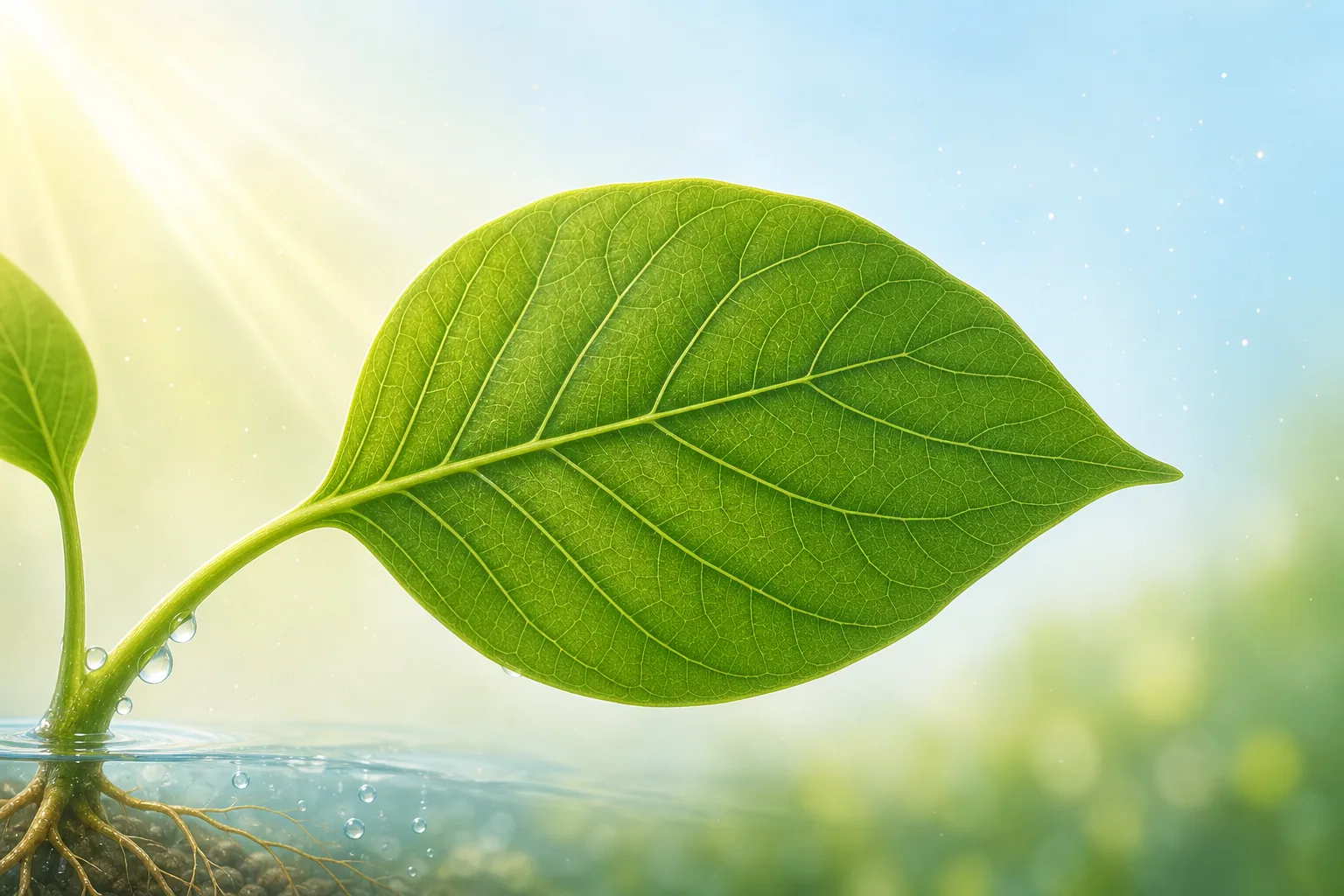
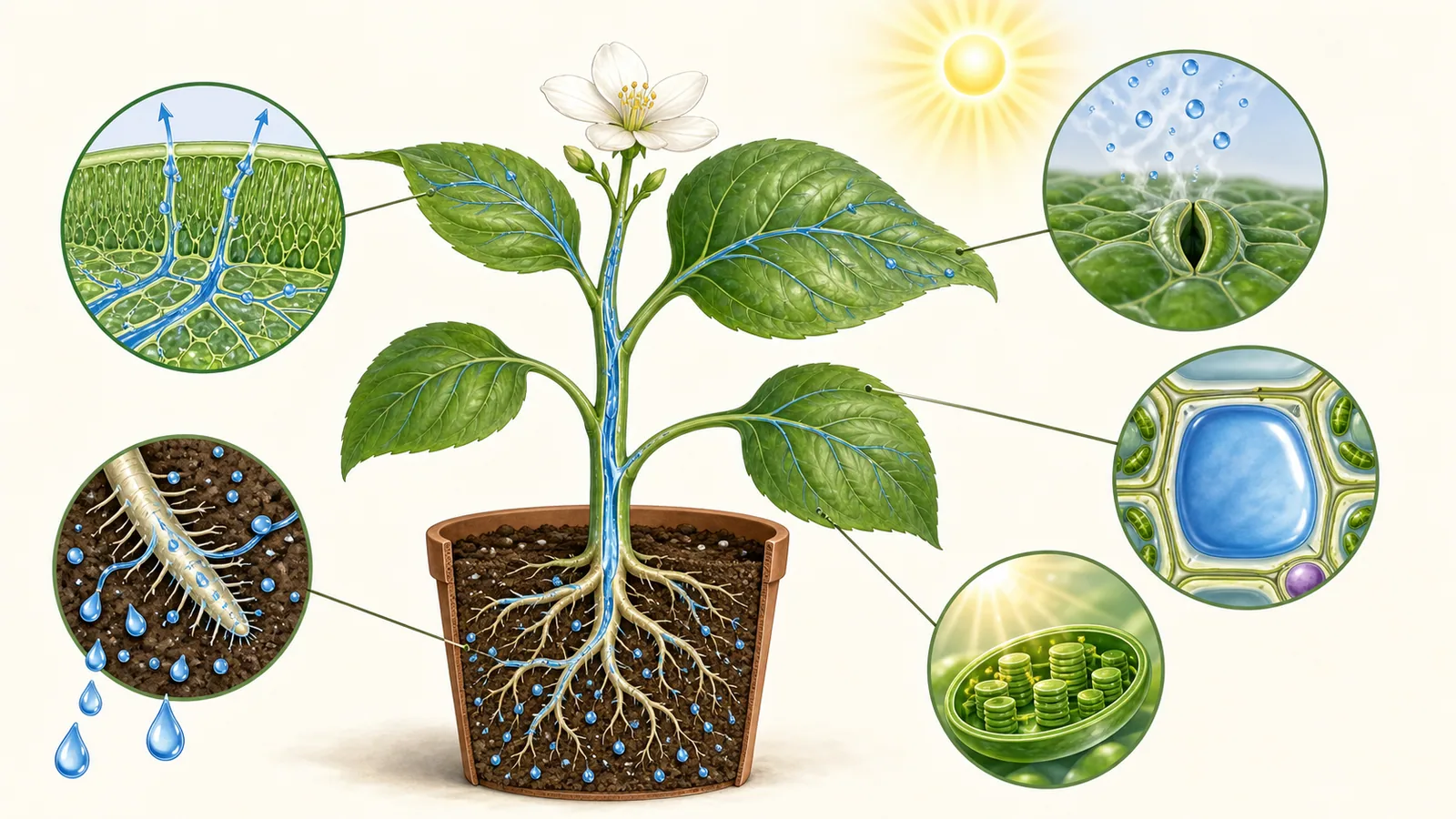
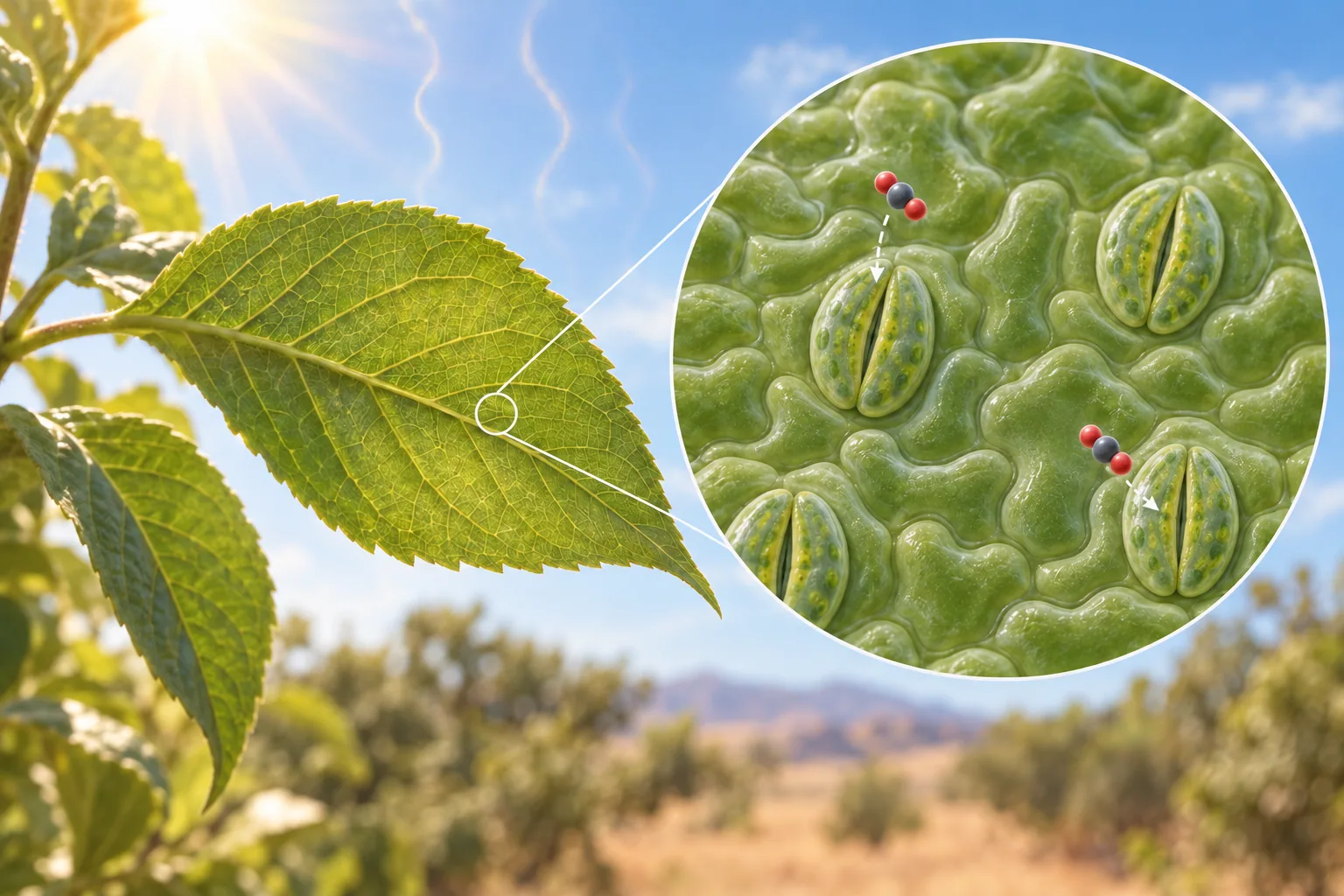
What is photosynthesis? Photosynthesis is the process in which plants use light energy to turn water and carbon dioxide into sugars and other organic materials, releasing oxygen along the way.
Why do plants need sunlight? Plants need sunlight not because they eat it, but because light supplies energy for photosynthesis and also helps plants sense direction, day length, and seasons.
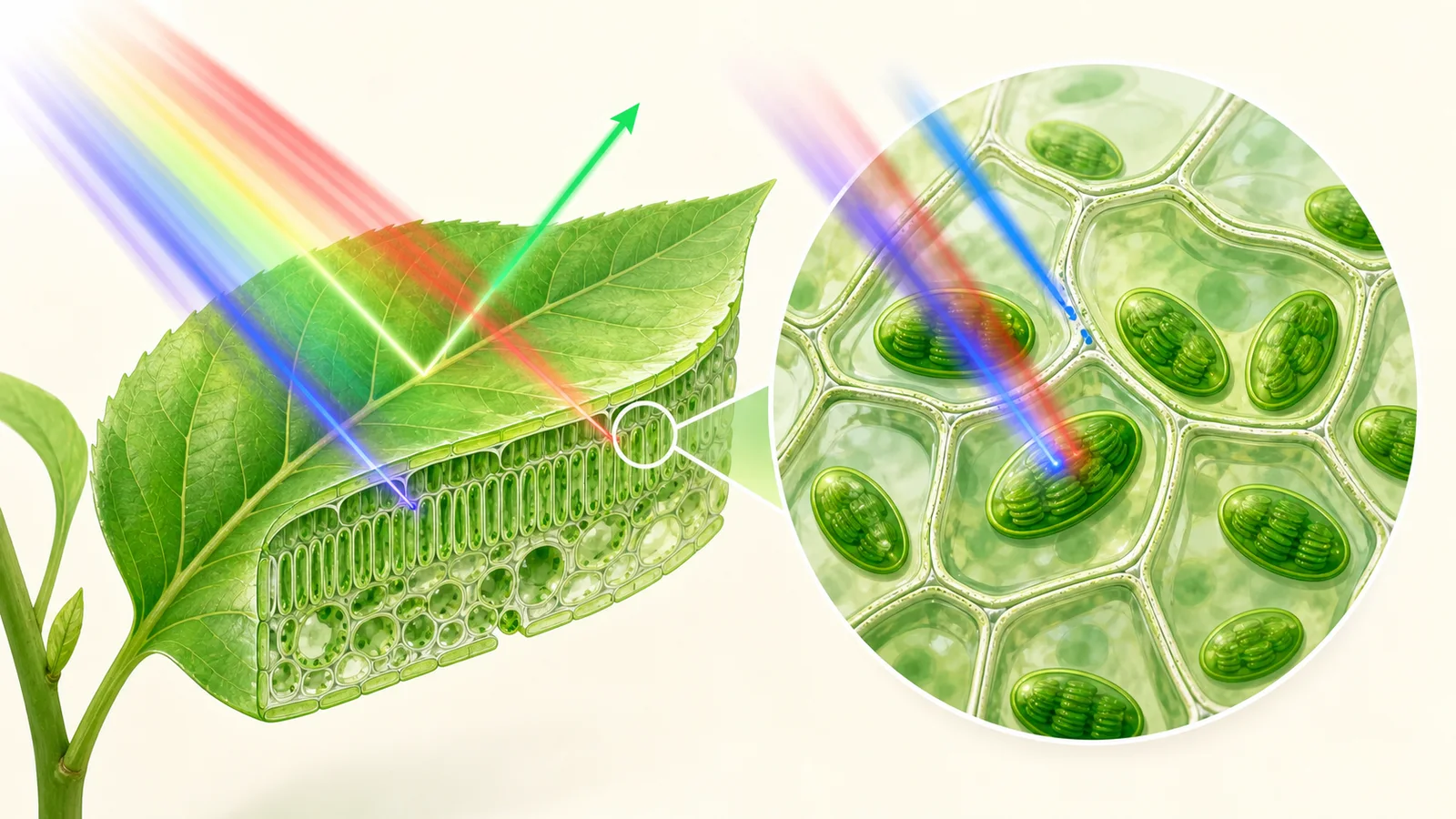
What is chlorophyll? Chlorophyll is a light-absorbing pigment, not plant food. Learn how it works in chloroplasts, why many leaves look green, and what yellowing or variegation can suggest.
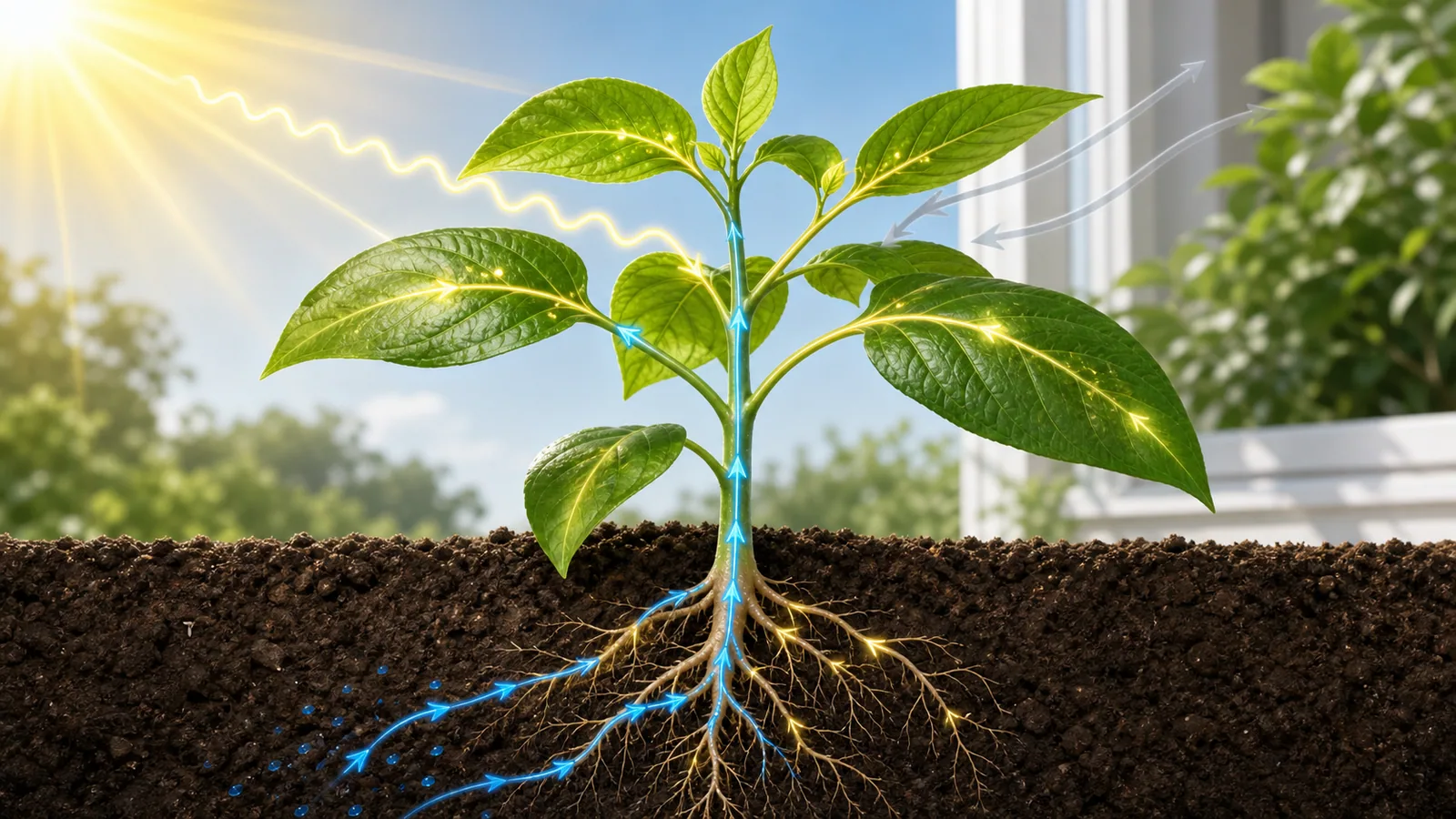
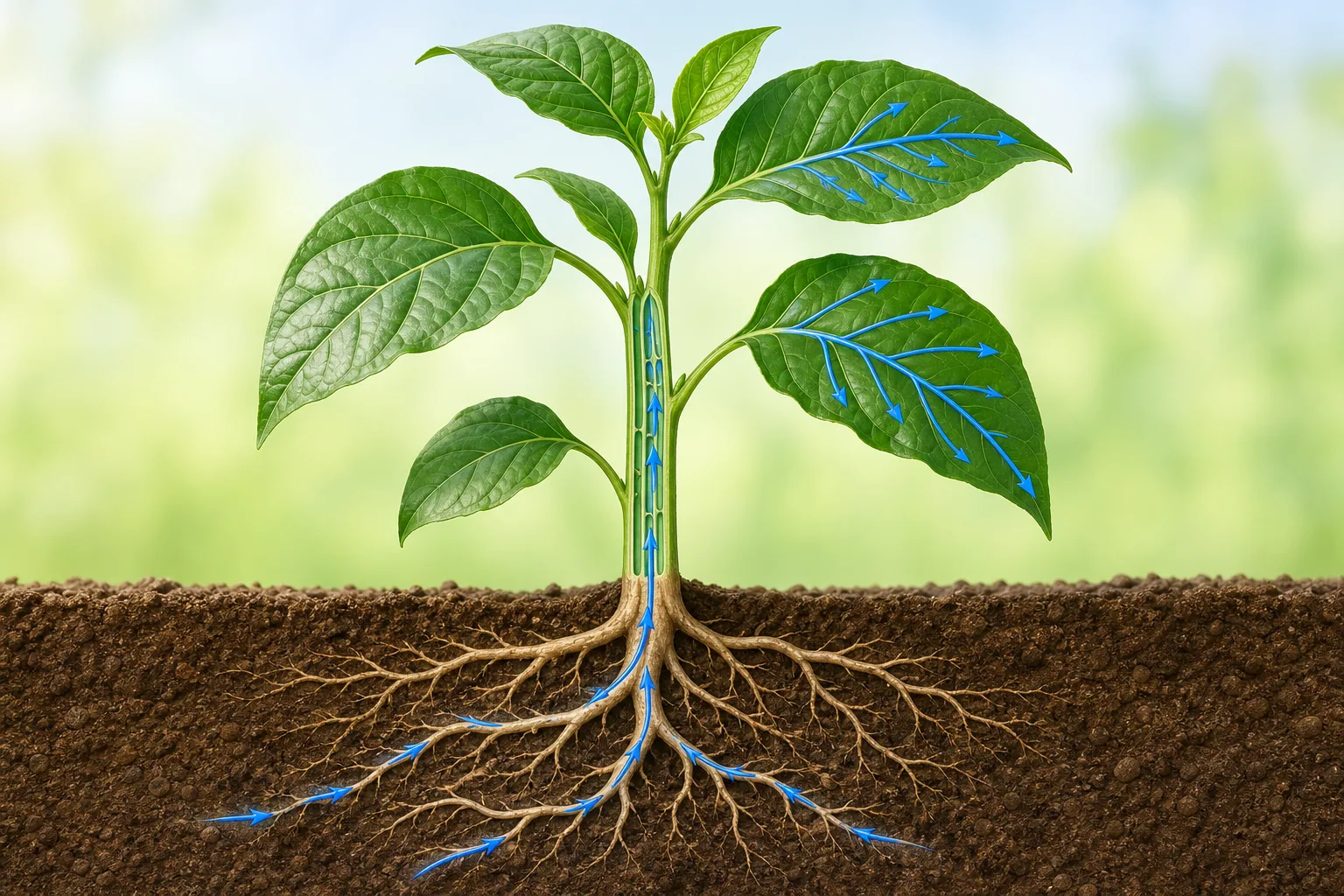
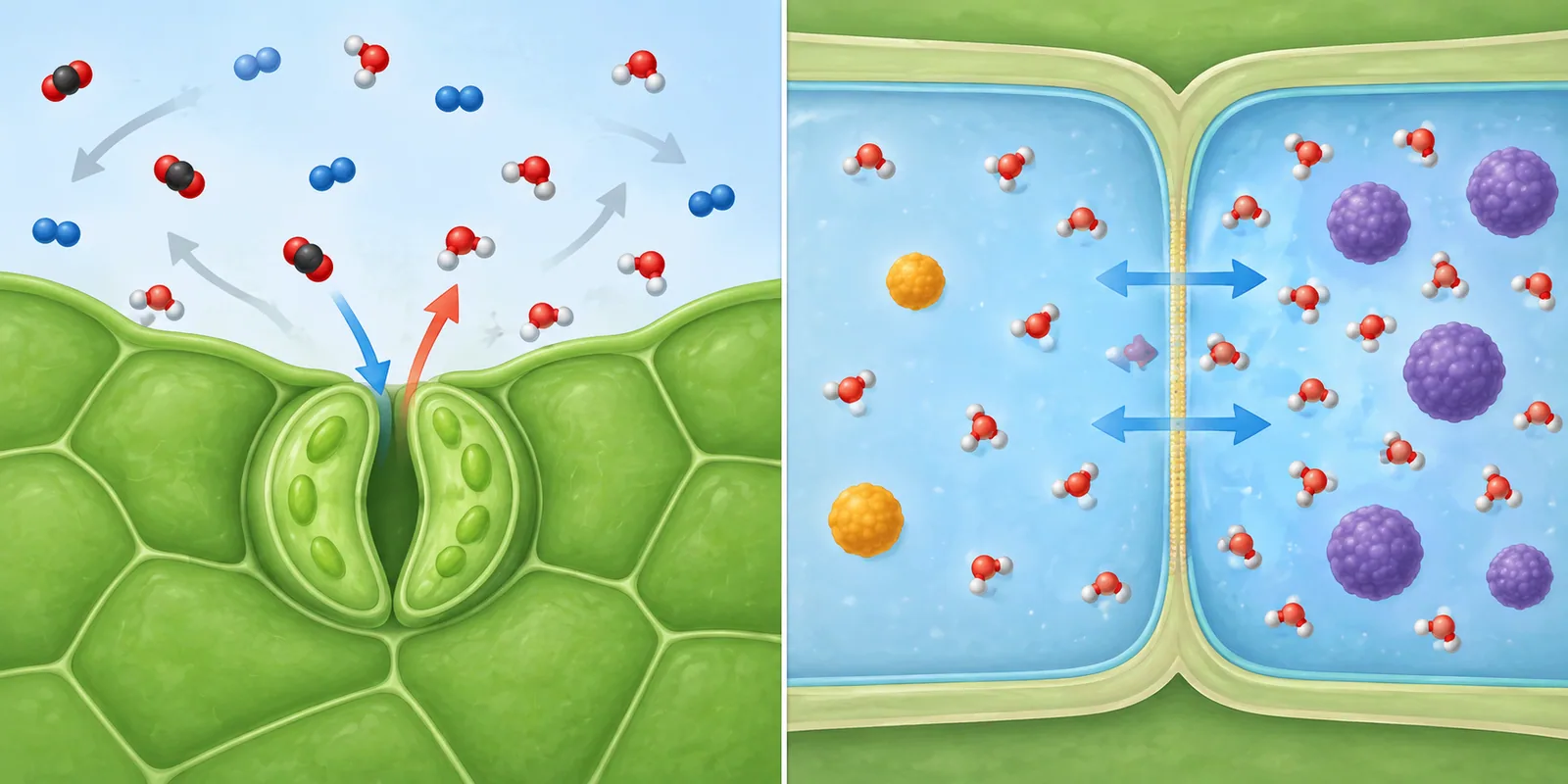
What is transpiration in plants? Transpiration is the loss of water vapor from plant surfaces, especially through stomata on leaves. Learn how it connects roots, xylem, leaves, heat, air, and water movement.
How does water move from roots to leaves? Water enters roots, moves through xylem, and reaches leaves where transpiration helps pull more water upward. Learn the process in plain language.
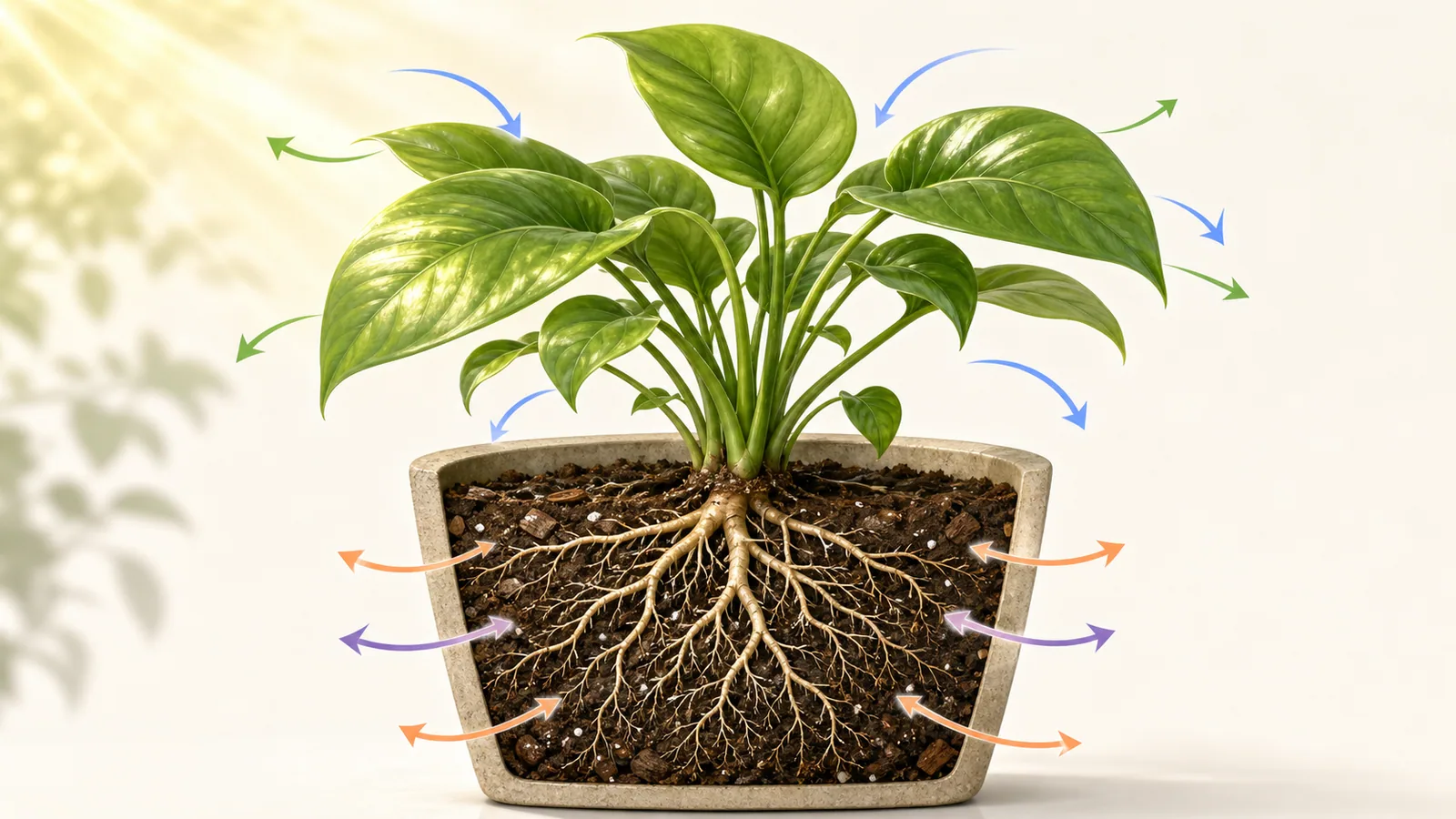
Do plants breathe? Plants do not breathe with lungs, but their cells do respire. Learn how plant respiration uses sugars and oxygen, why roots need air, and how it differs from photosynthesis.
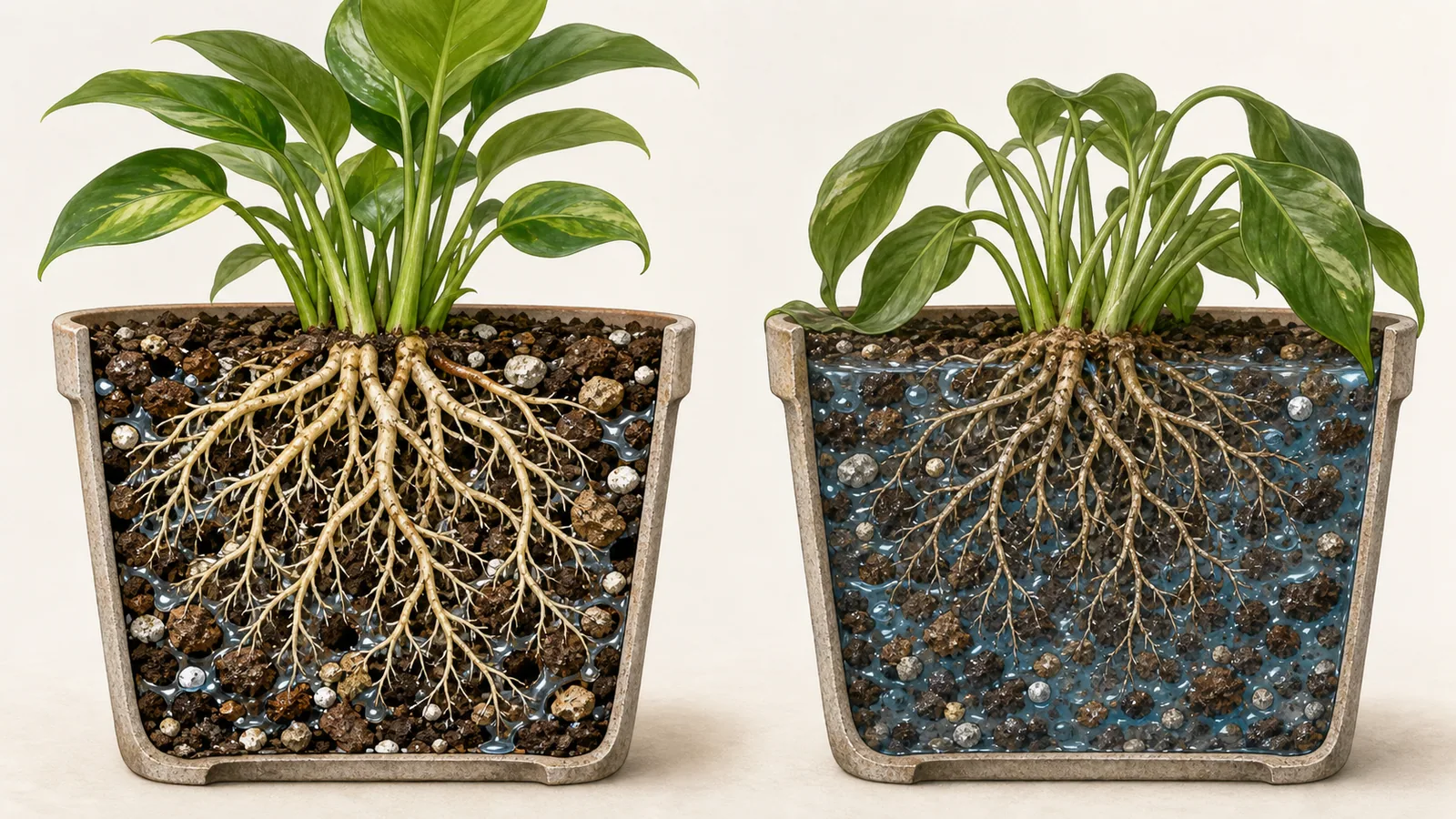
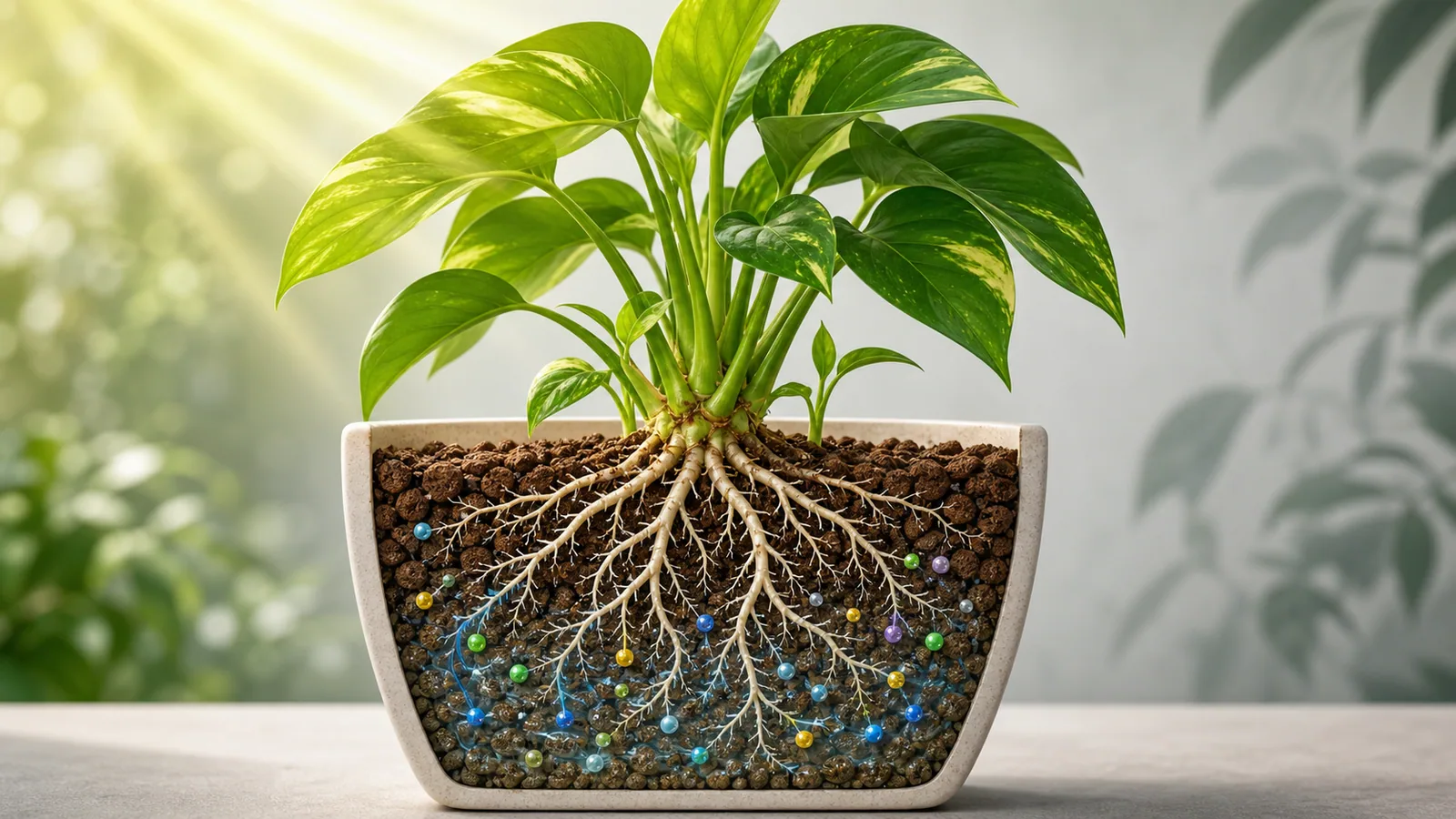
Why do roots need air? Roots need oxygen for respiration. Learn why pore spaces in soil and potting media matter, and why a wet pot can still be stressful for roots.
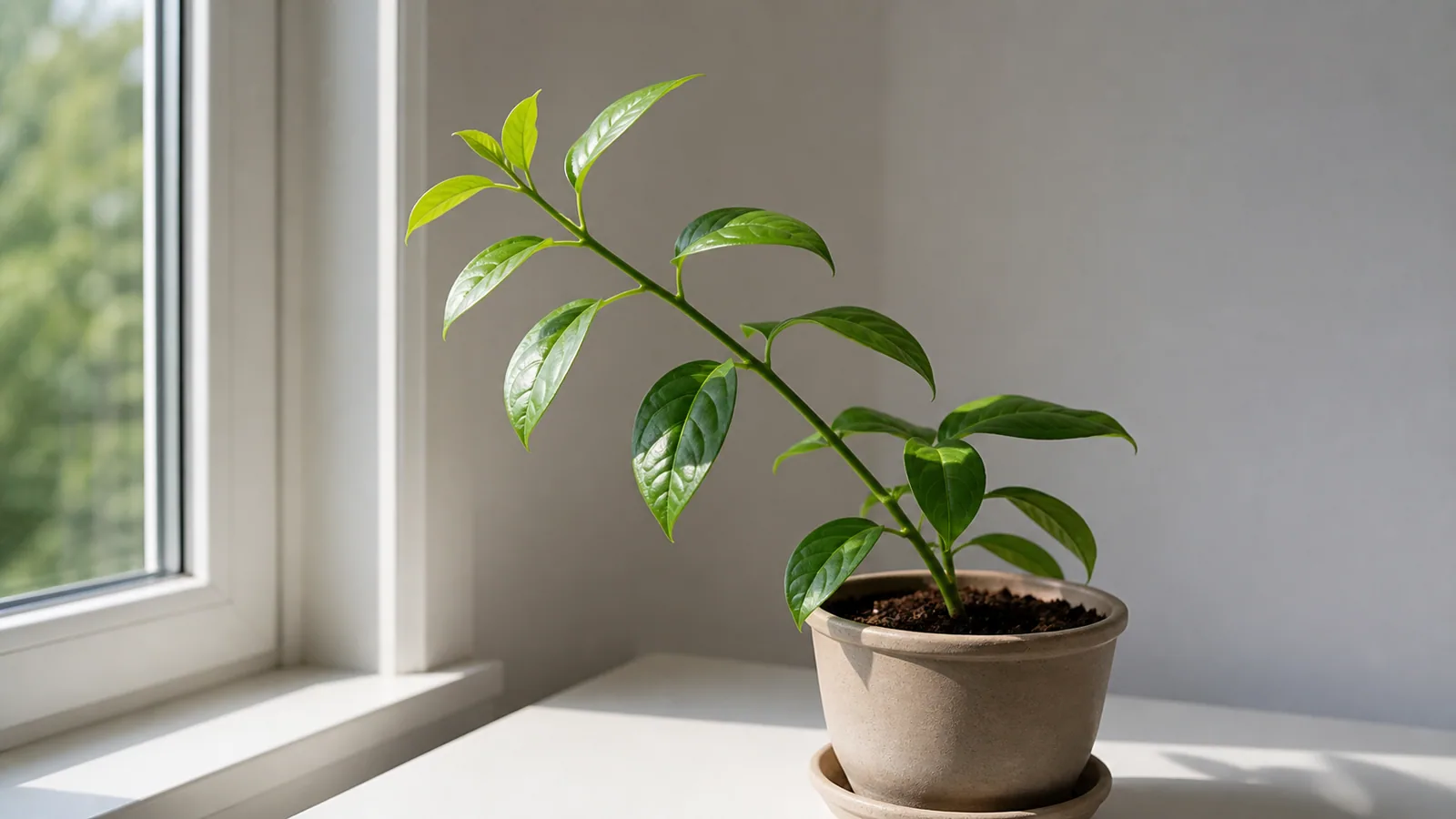
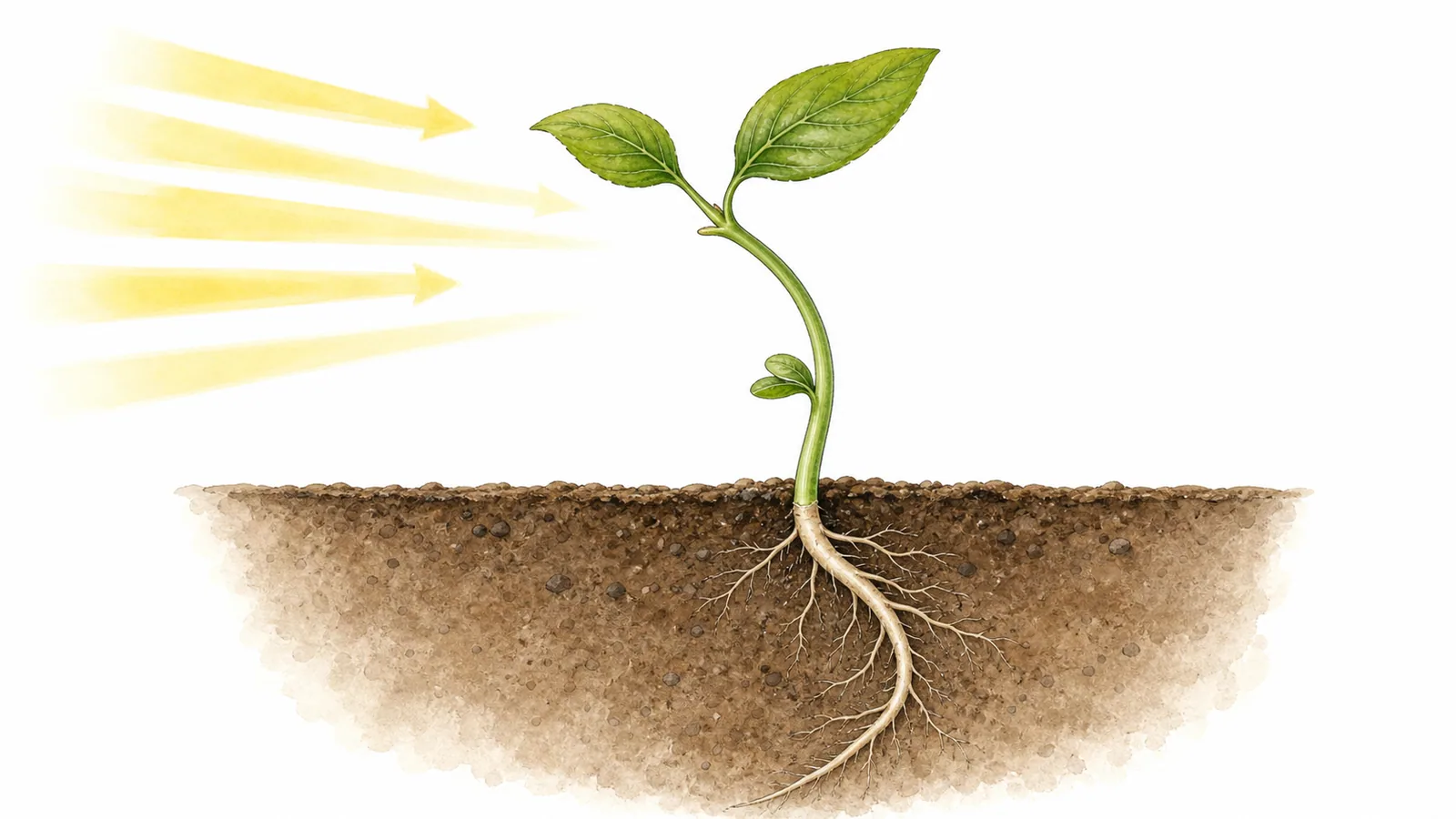
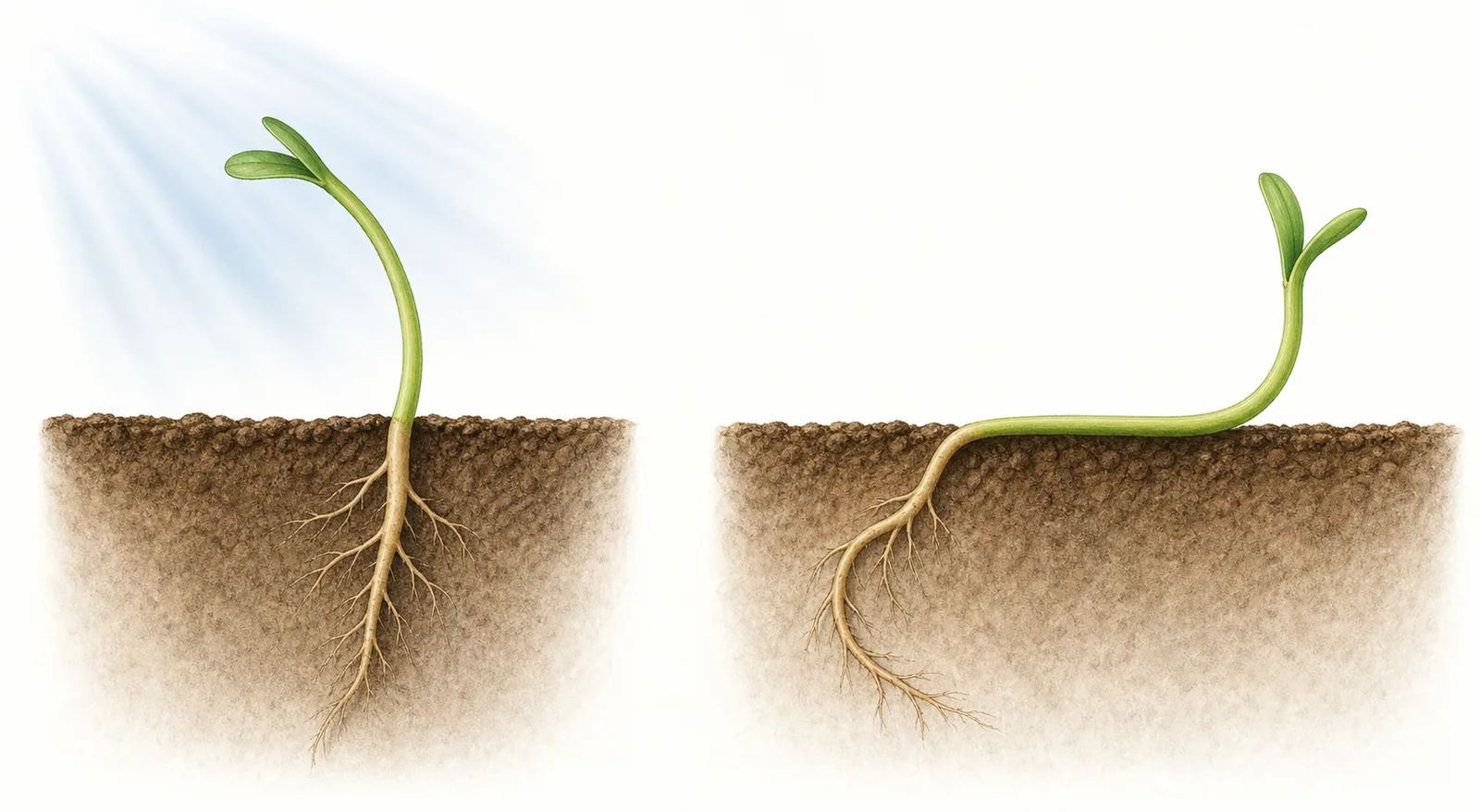
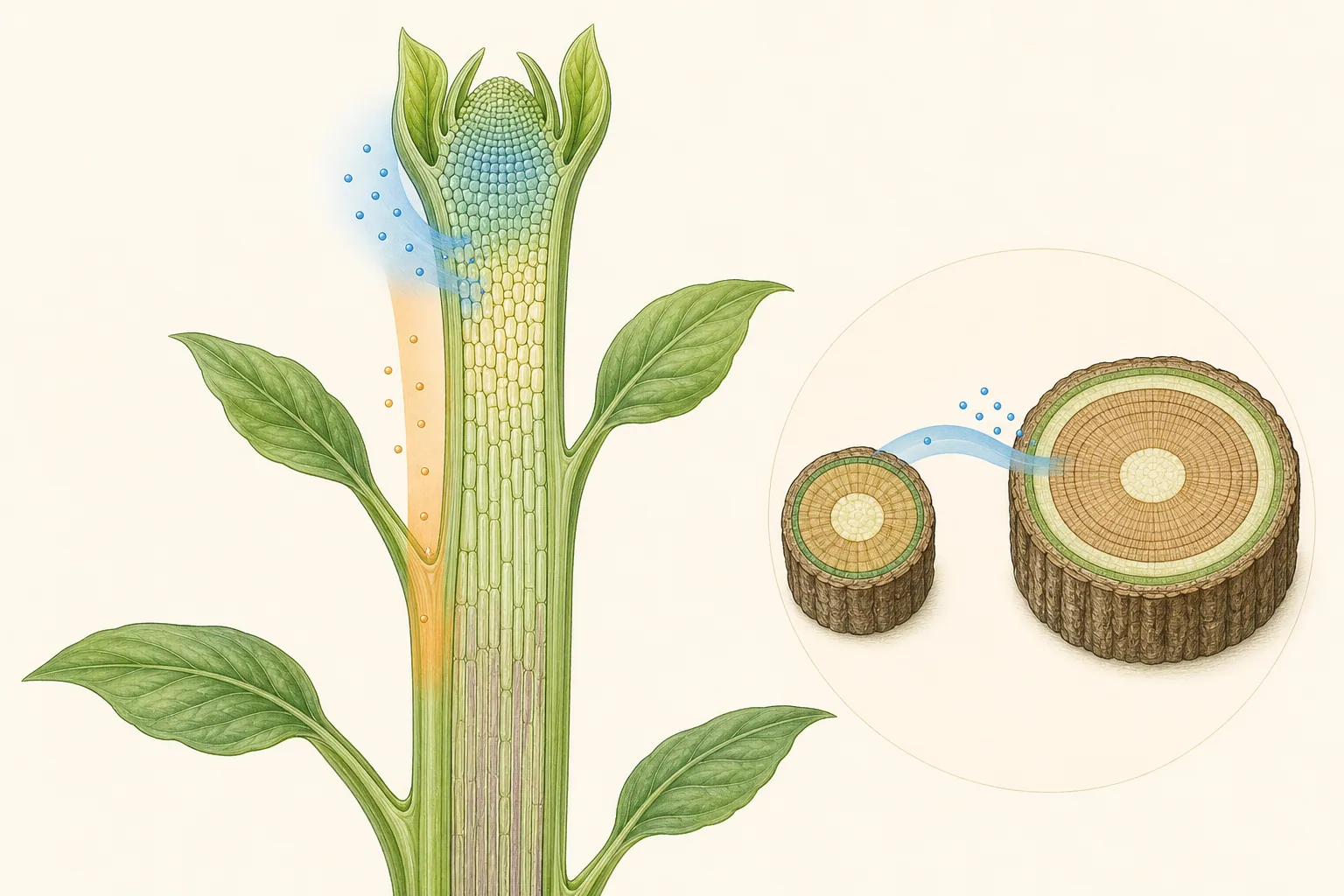
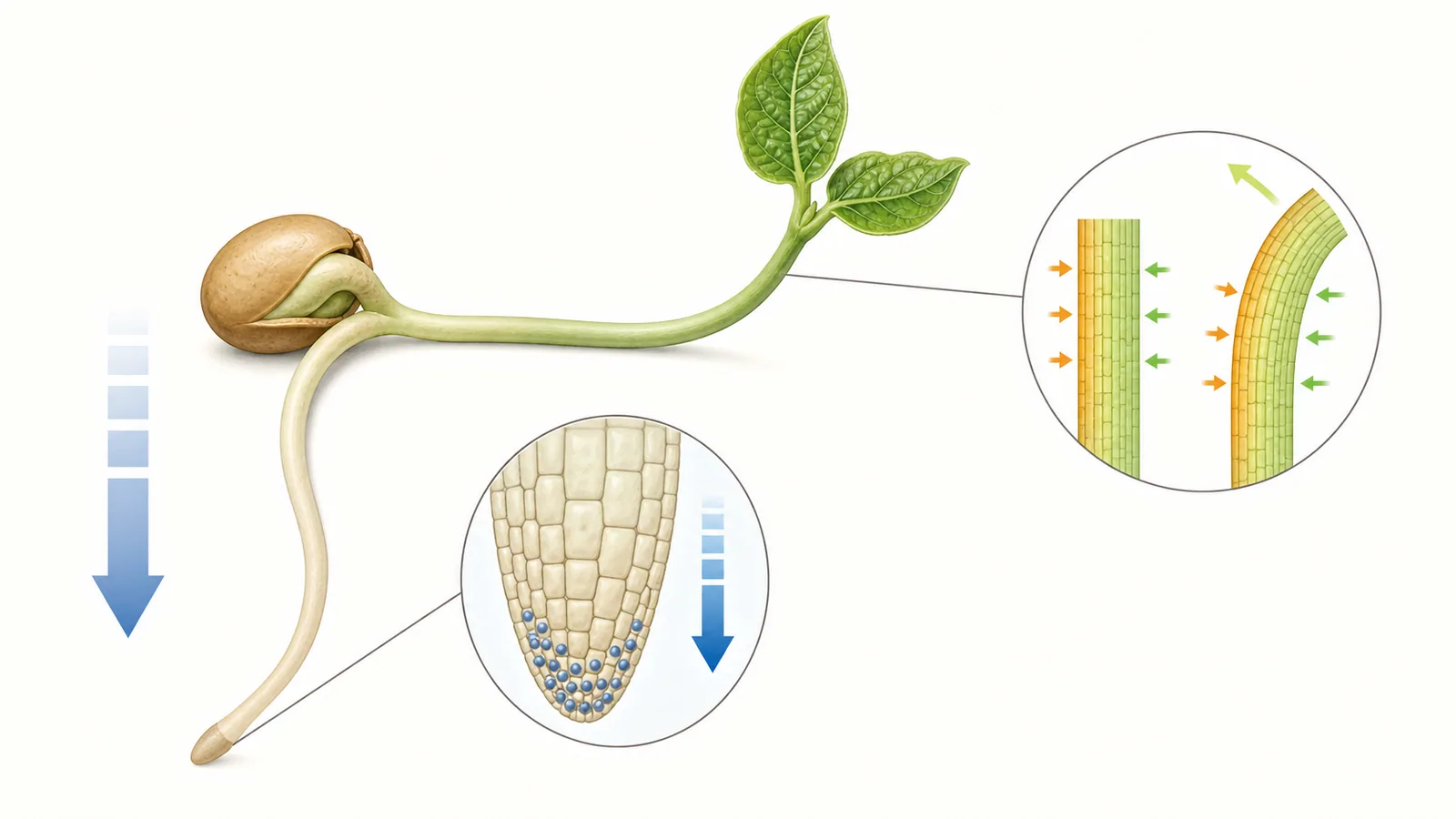
Why do plants bend toward light? Plants bend toward light because new growth responds to directional light. Learn how phototropism, auxin, shaded-side elongation, and window growing fit together.
What Is Phototropism? Phototropism is a type of tropism: a directional plant growth response to light. Learn positive phototropism, negative phototropism, why plants have it, and how it differs from photosynthesis and leggy growth.
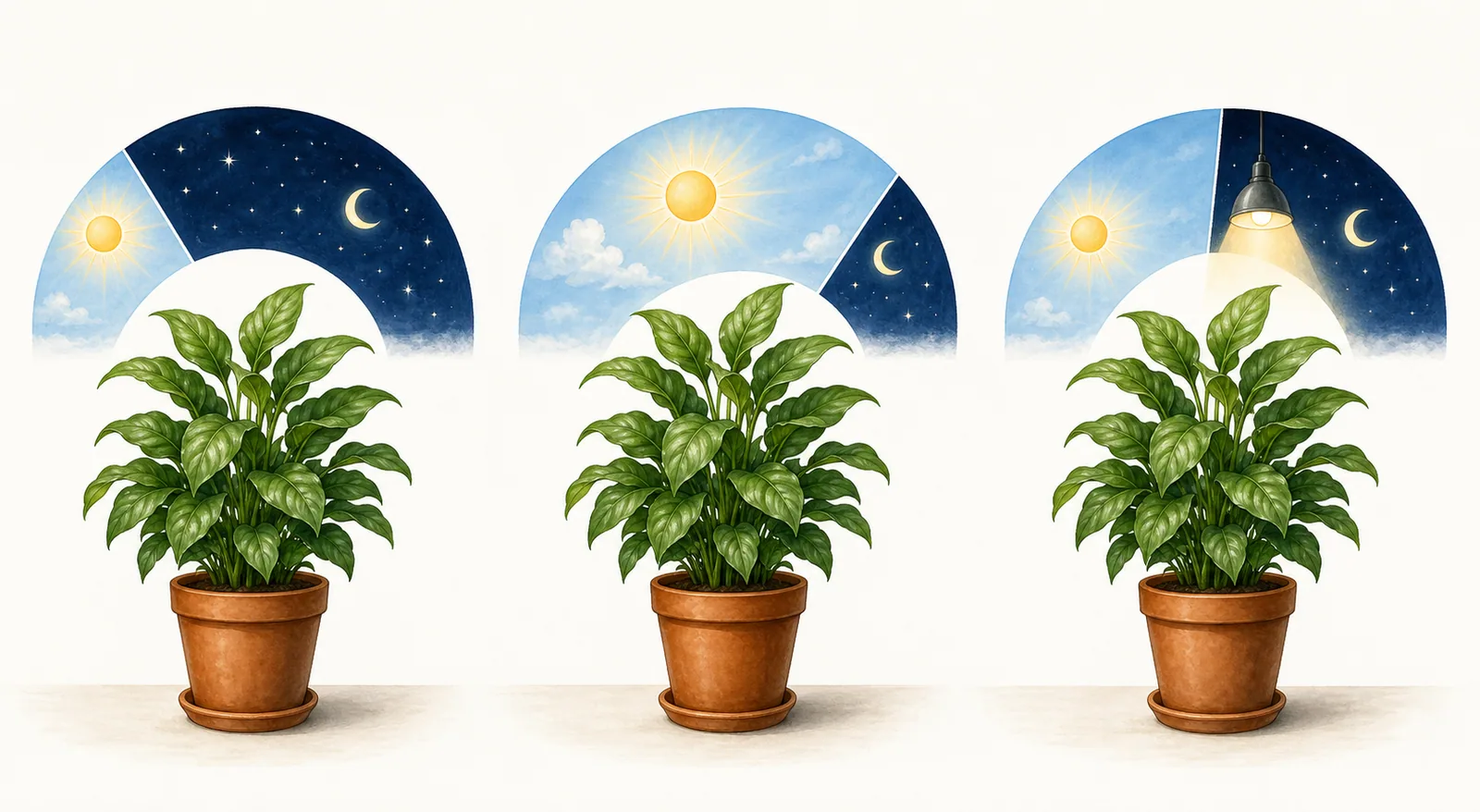
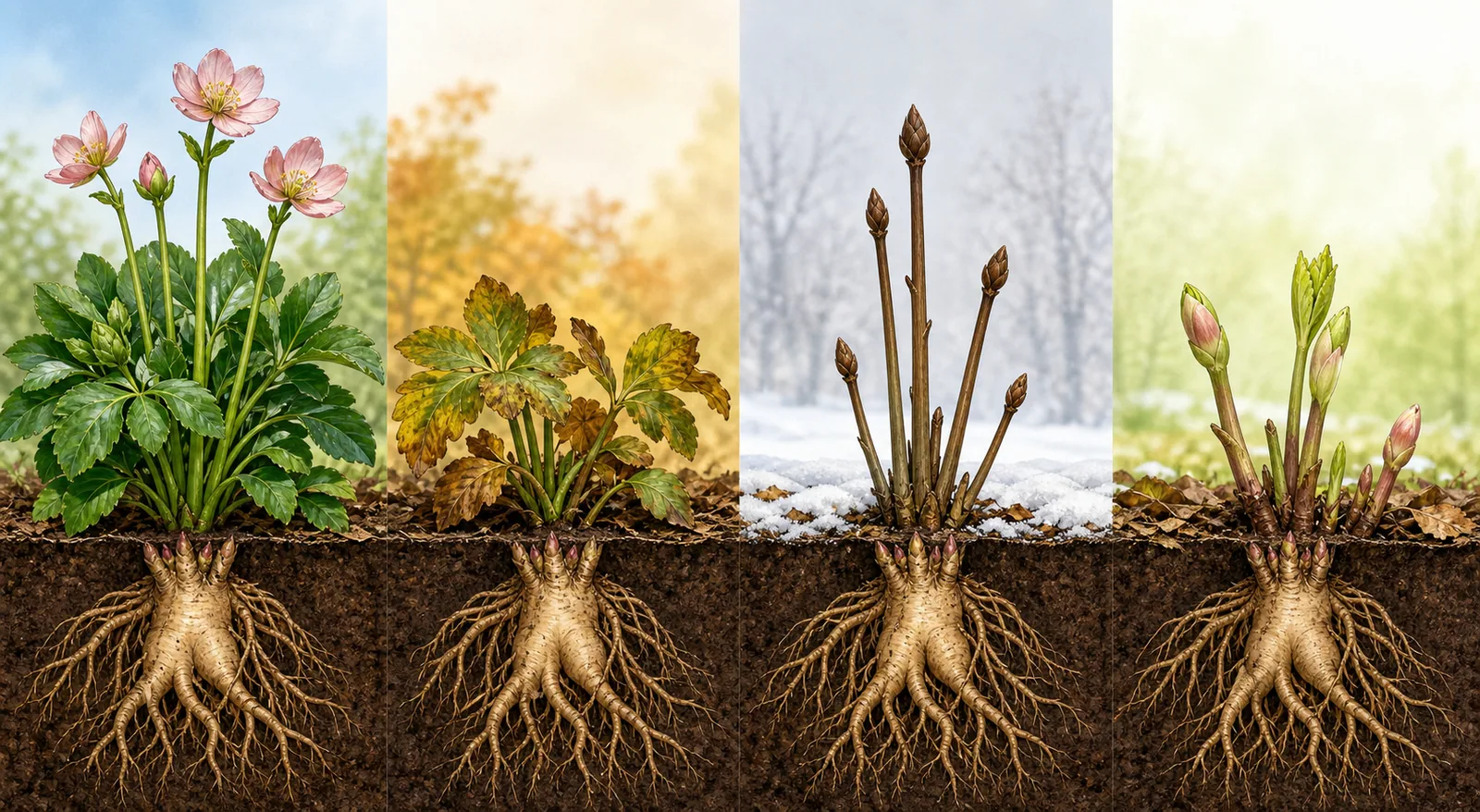
How do plants sense day and night? Plants do not have eyes, but they can sense light, keep an internal rhythm, and respond to day and night length. Learn photoreceptors, circadian rhythm, and photoperiodism in plain English.
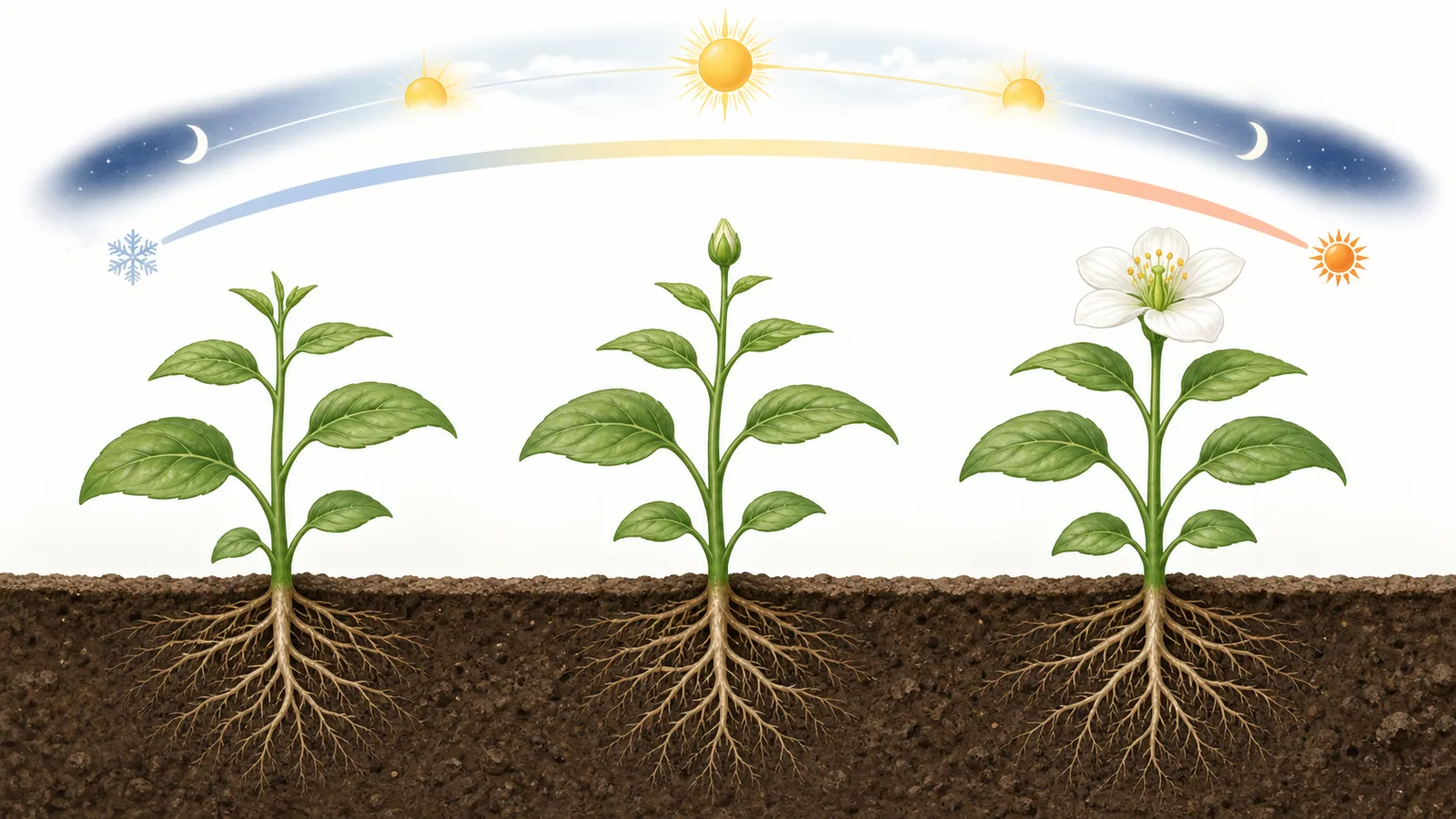
What Is Photoperiod in Plants? Photoperiod is the length of light and darkness a plant experiences in a daily cycle. It is not light intensity or photosynthesis; it is a timing signal plants can use to track seasons and development.
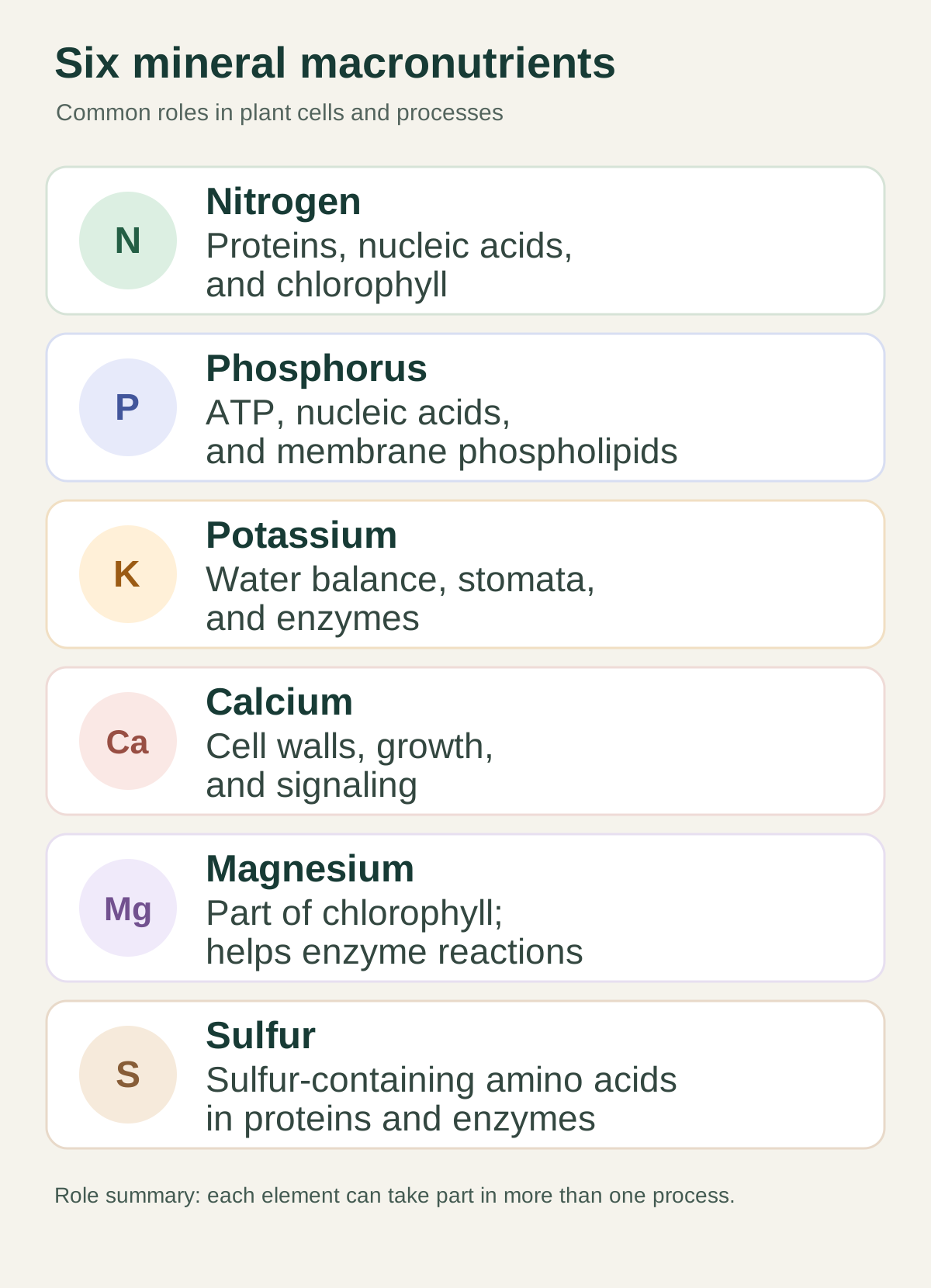
If plants make their own sugars, why do they still need mineral nutrients? Plants make sugars through photosynthesis, but they still need mineral nutrients such as nitrogen, phosphorus, potassium, calcium, magnesium, sulfur, iron, and trace elements.