Topic D

Gardening Phenomena

This section does not diagnose or prescribe. It connects common plant symptoms to plant science so users know whether to observe roots, leaves, light, water, or the surrounding environment.

Yellowing leavesThin stretched stemsDropping flower buds
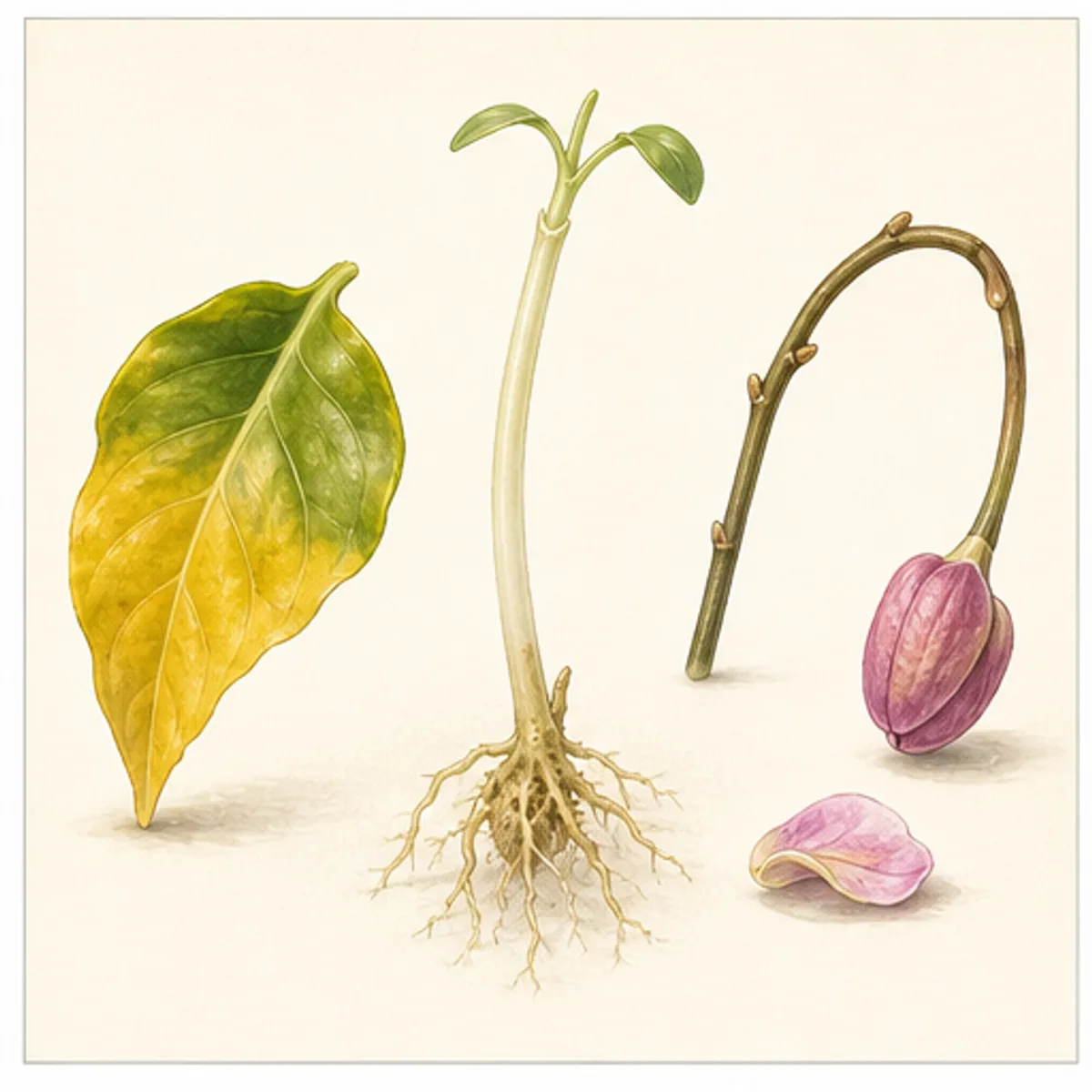
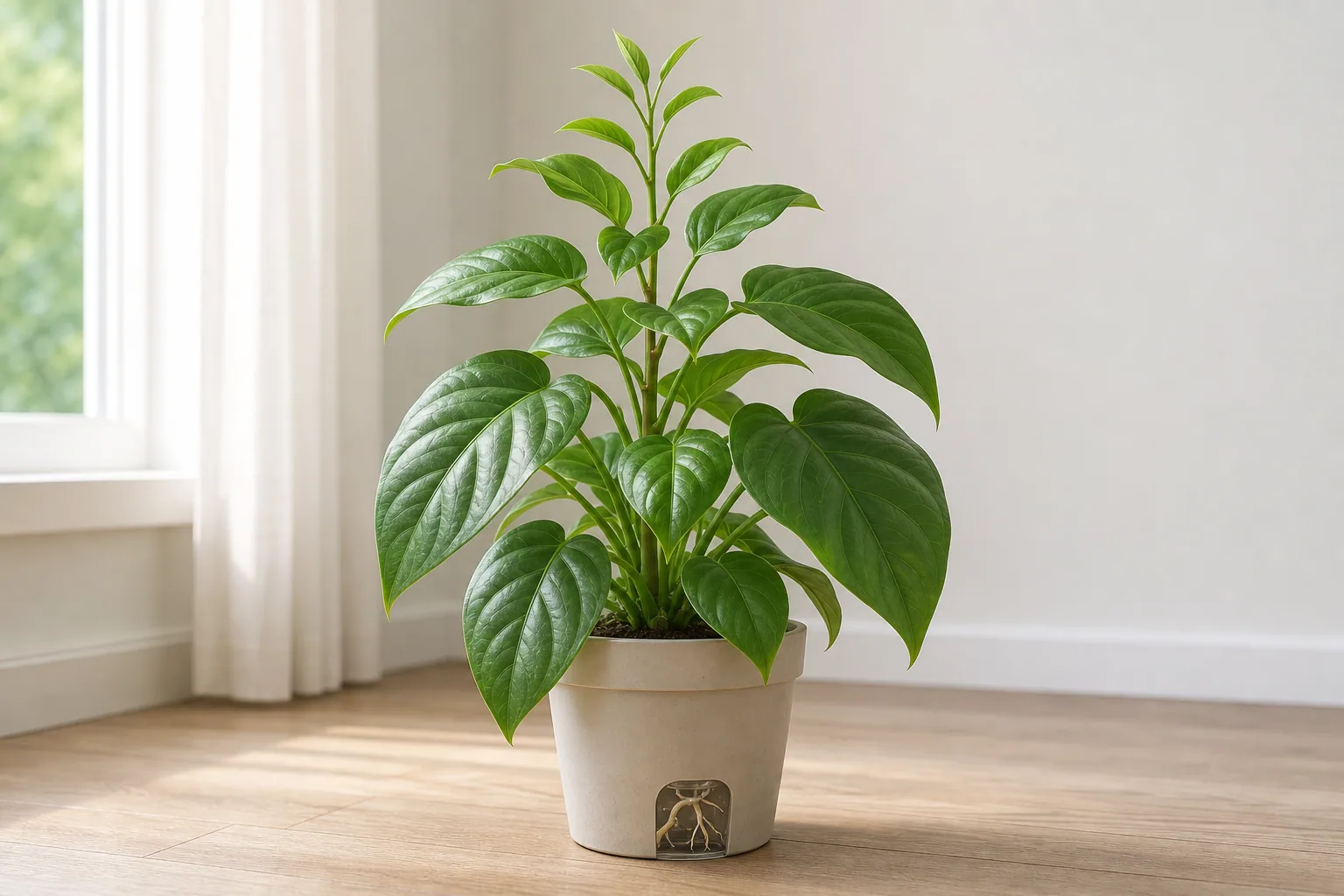
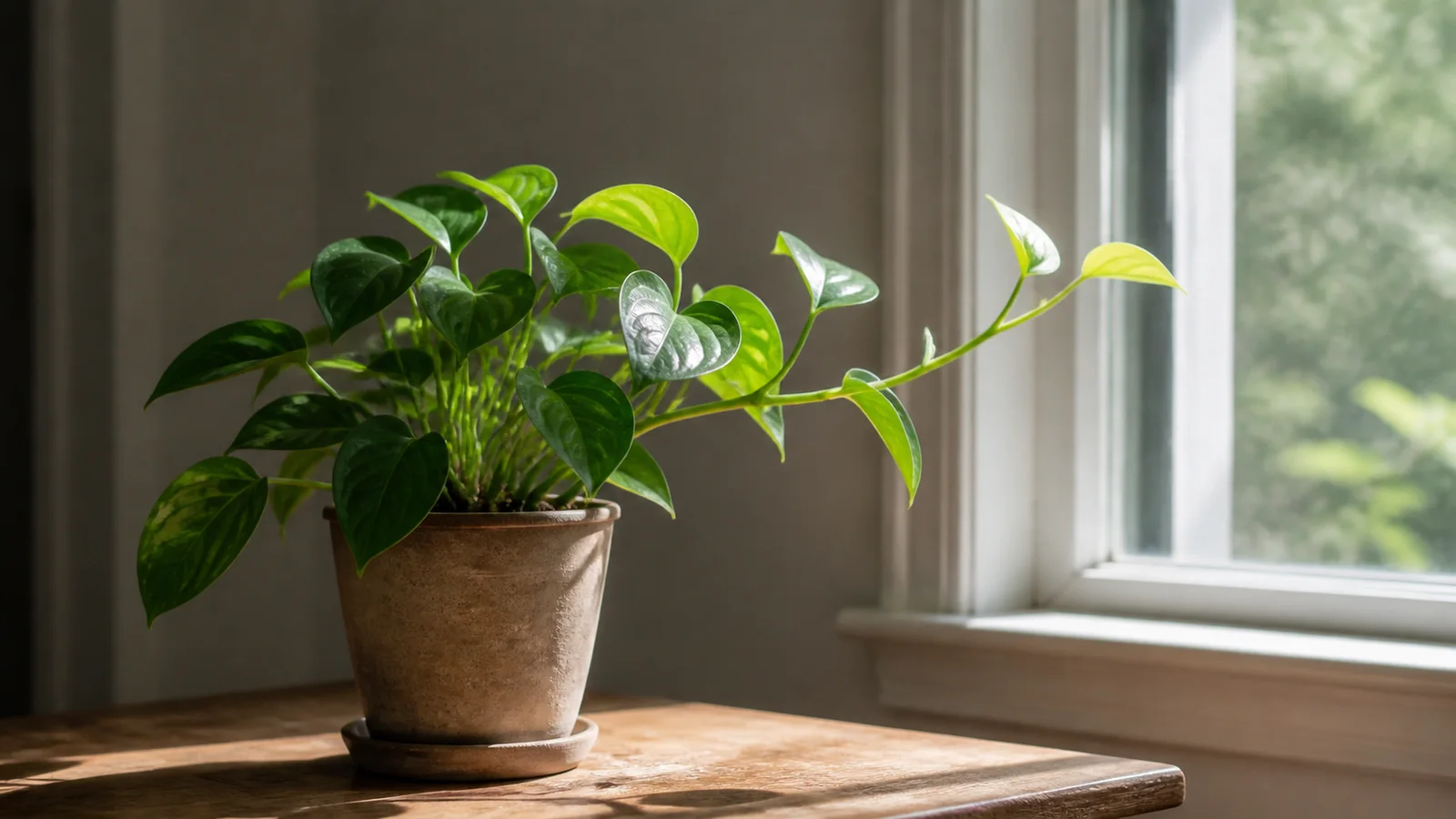
A gardening phenomena concept image showing yellowing leaves, leggy growth, and flower bud changes

Reading Path

When something looks unusual, start with observation

Each topic gives a simple route first, then connects to individual articles.

01 / Leaves

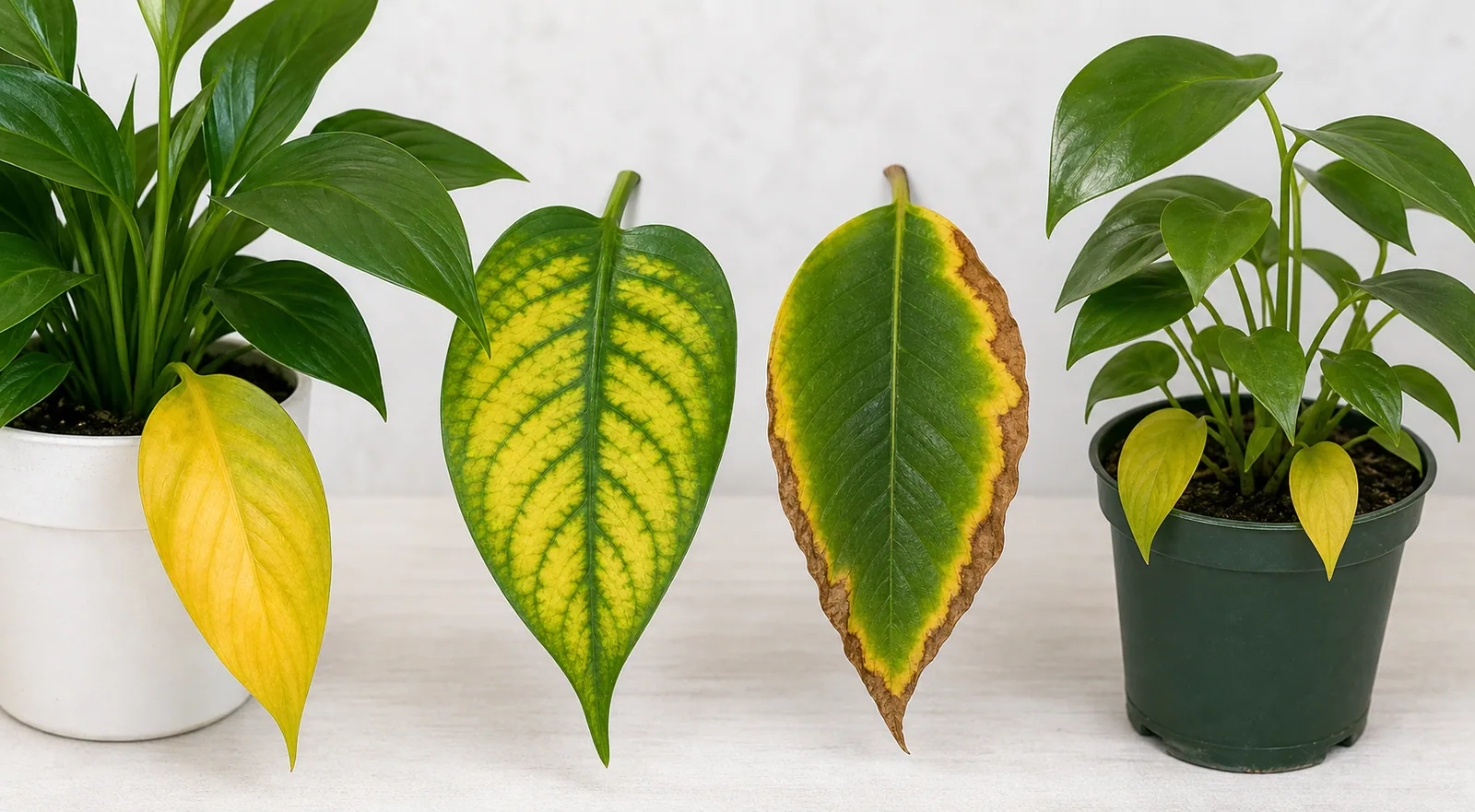
Why do plant leaves turn yellow?

Separate possible directions before jumping to a diagnosis.

02 / Light

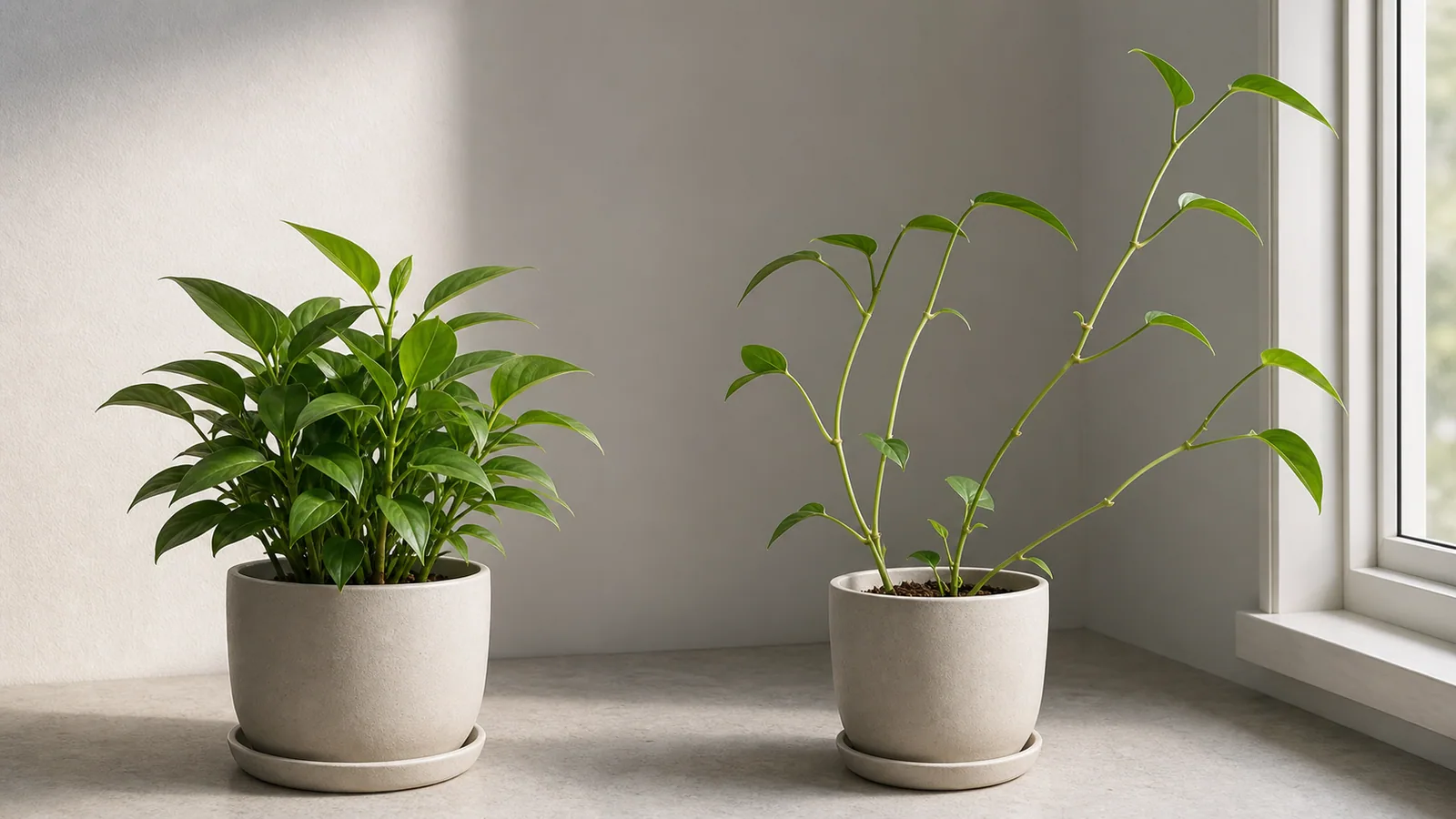
Why do plants get leggy?

Understand growth shape through light and direction.

03 / Roots

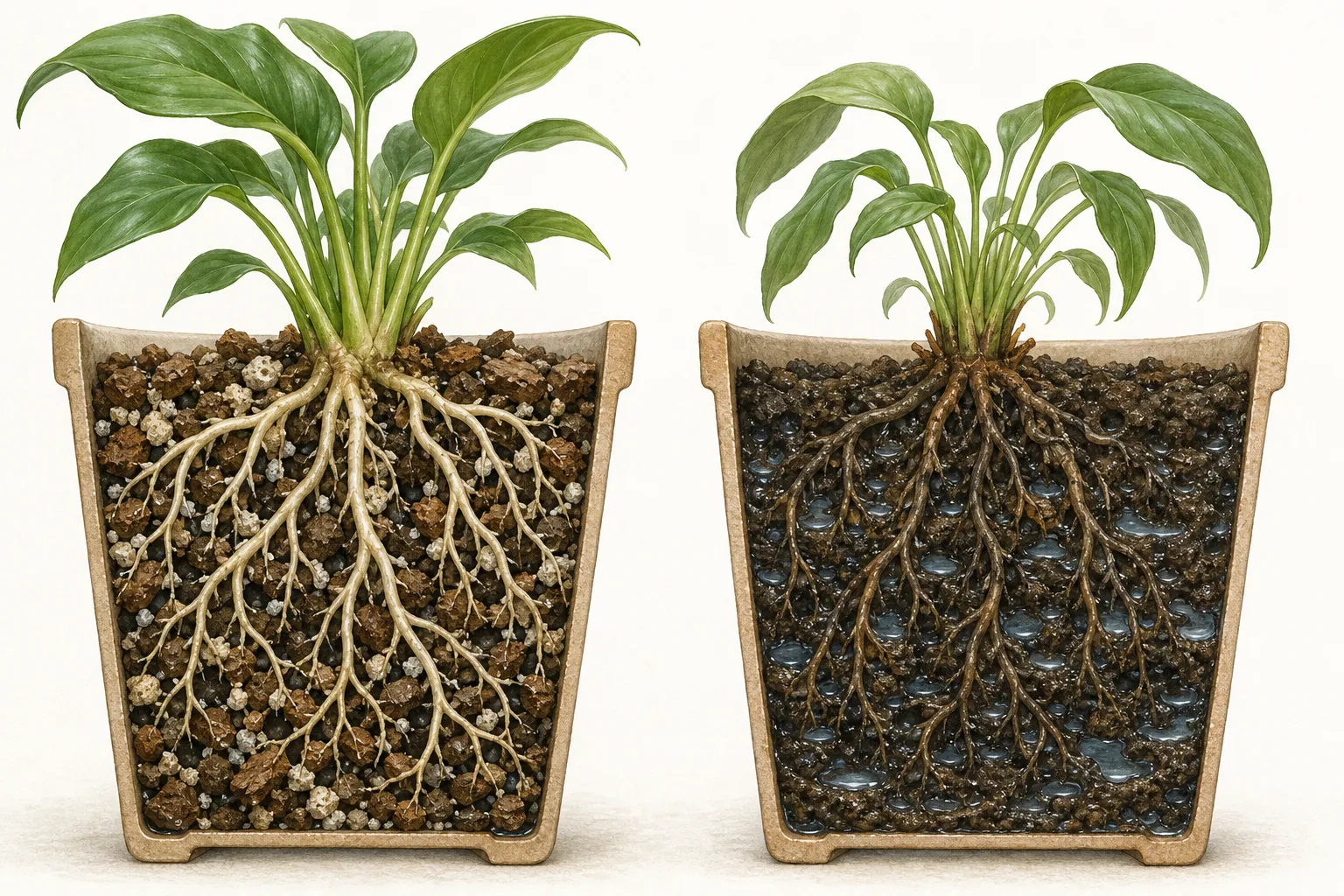
Why do potted plants get root rot?

Return to water, air, and potting media.

Available Now

English Articles

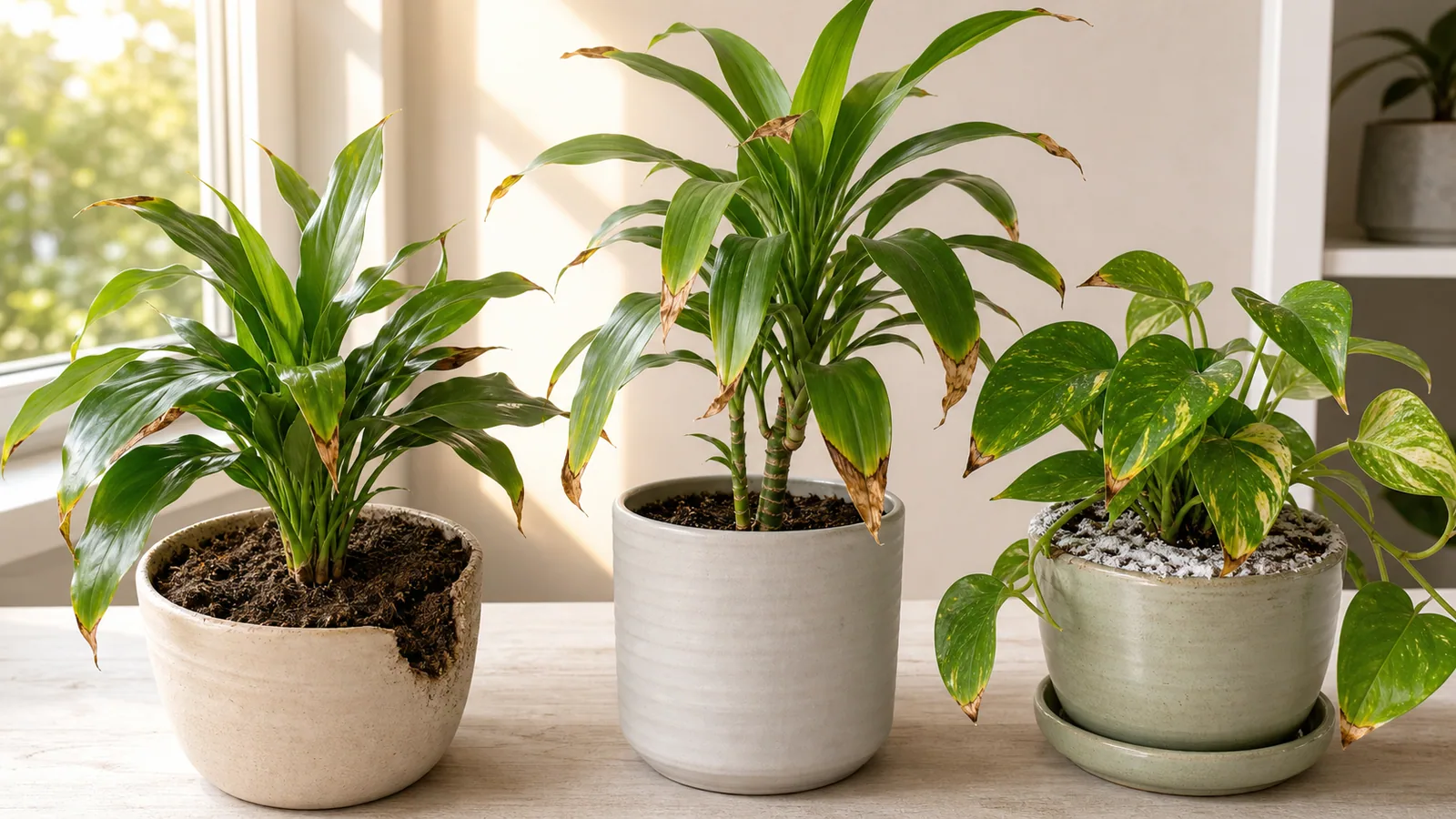
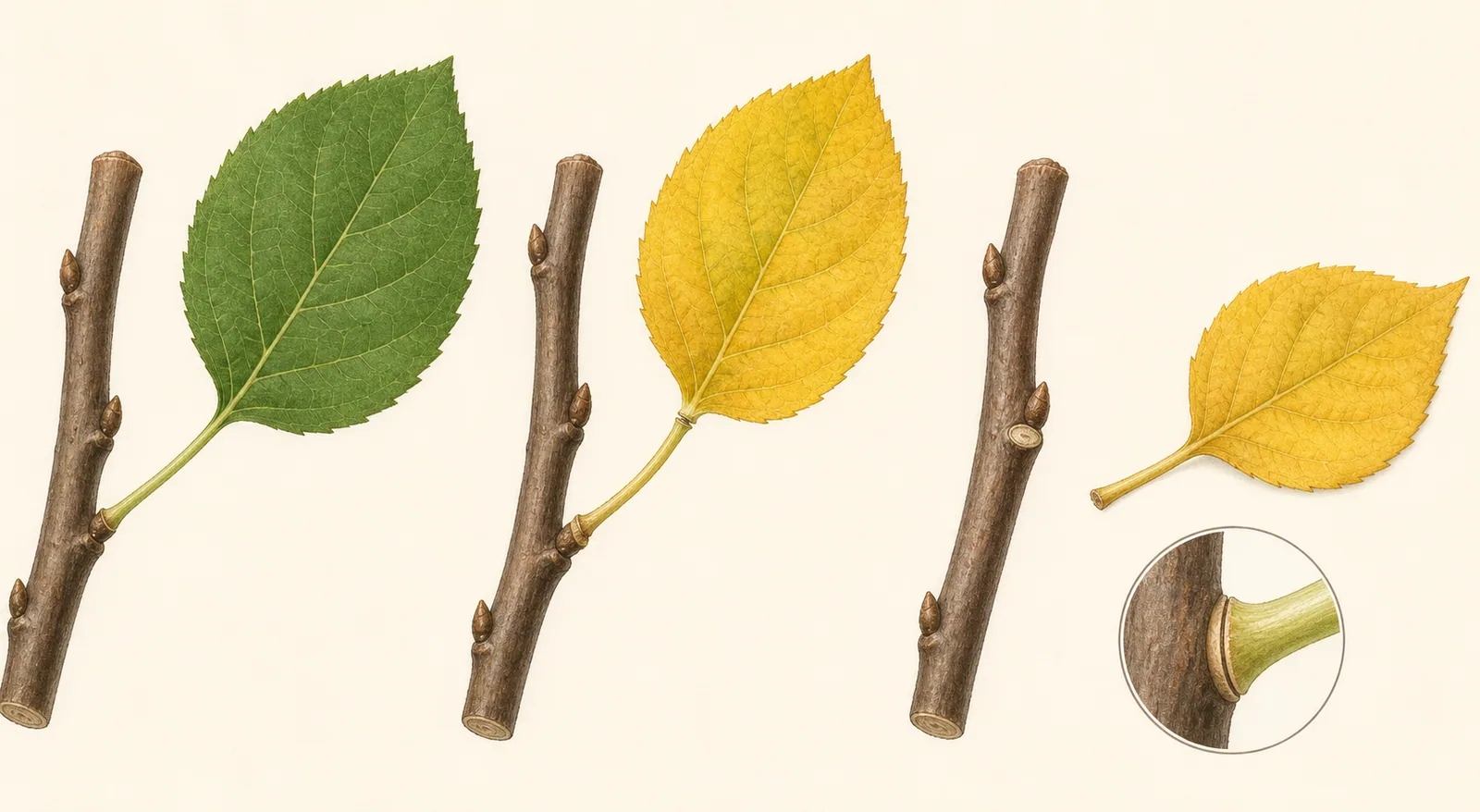
Teaching image for Why do plant leaves turn yellow? Why do plant leaves turn yellow?

Yellow leaves do not have one single cause. Learn how to observe old leaves, new leaves, interveinal chlorosis, burned edges, whole-leaf yellowing, roots, light, water, and recent changes.

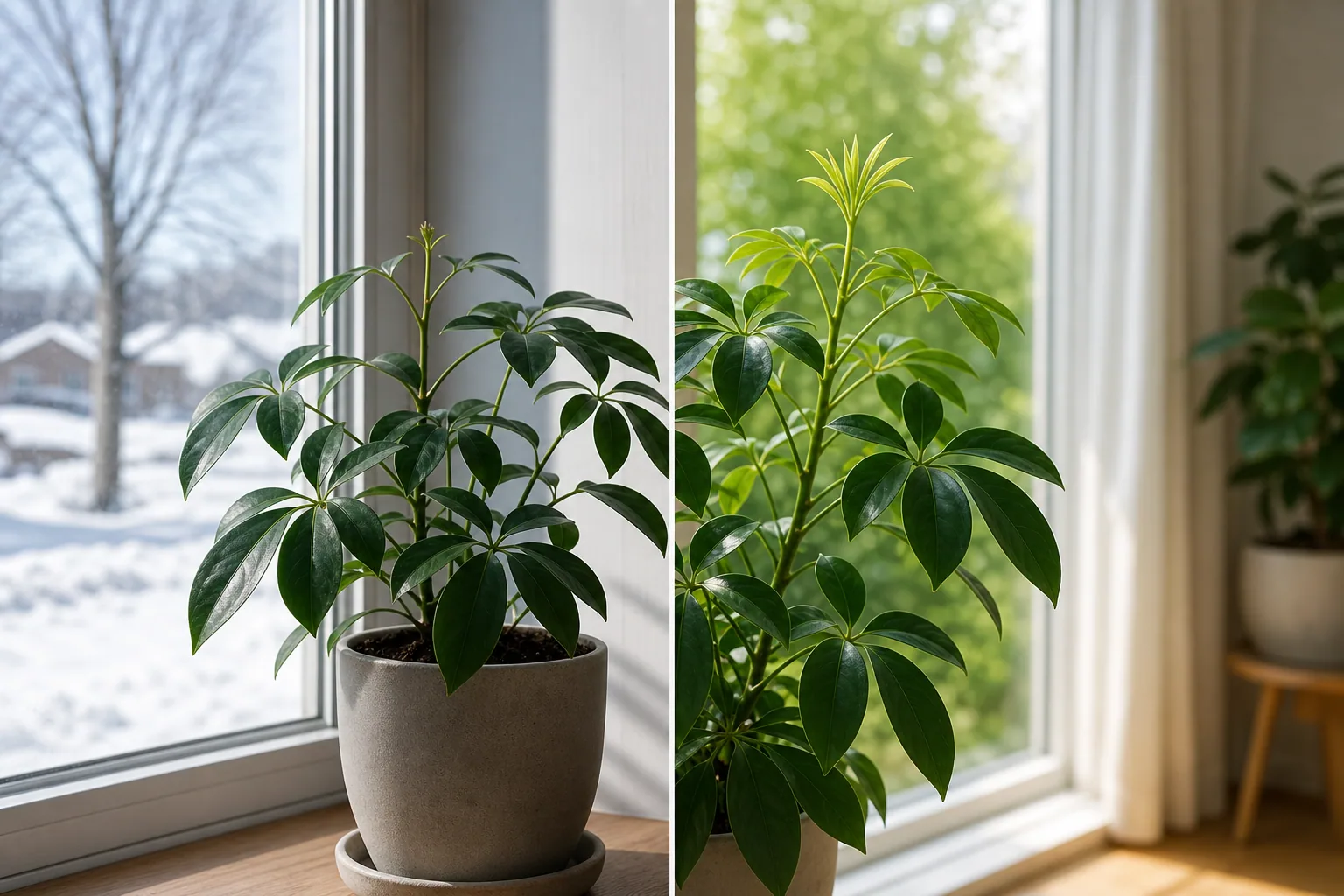
Teaching image for Why do plants get leggy? Why do plants get leggy?

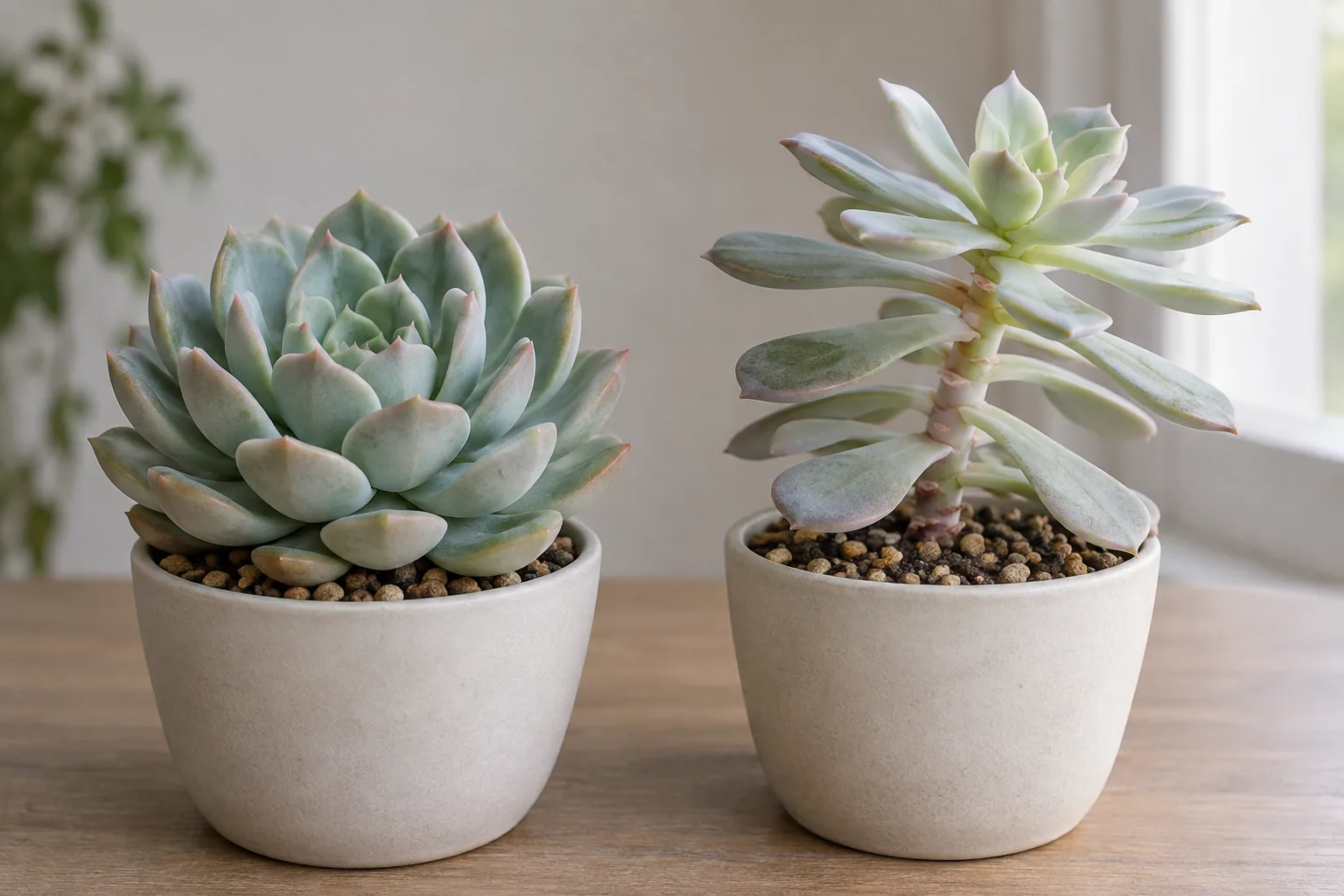
Leggy growth is not simply healthy fast growth. It often happens when plants stretch under low light, one-sided light, or crowding. Learn how internodes, light, and growth direction connect.

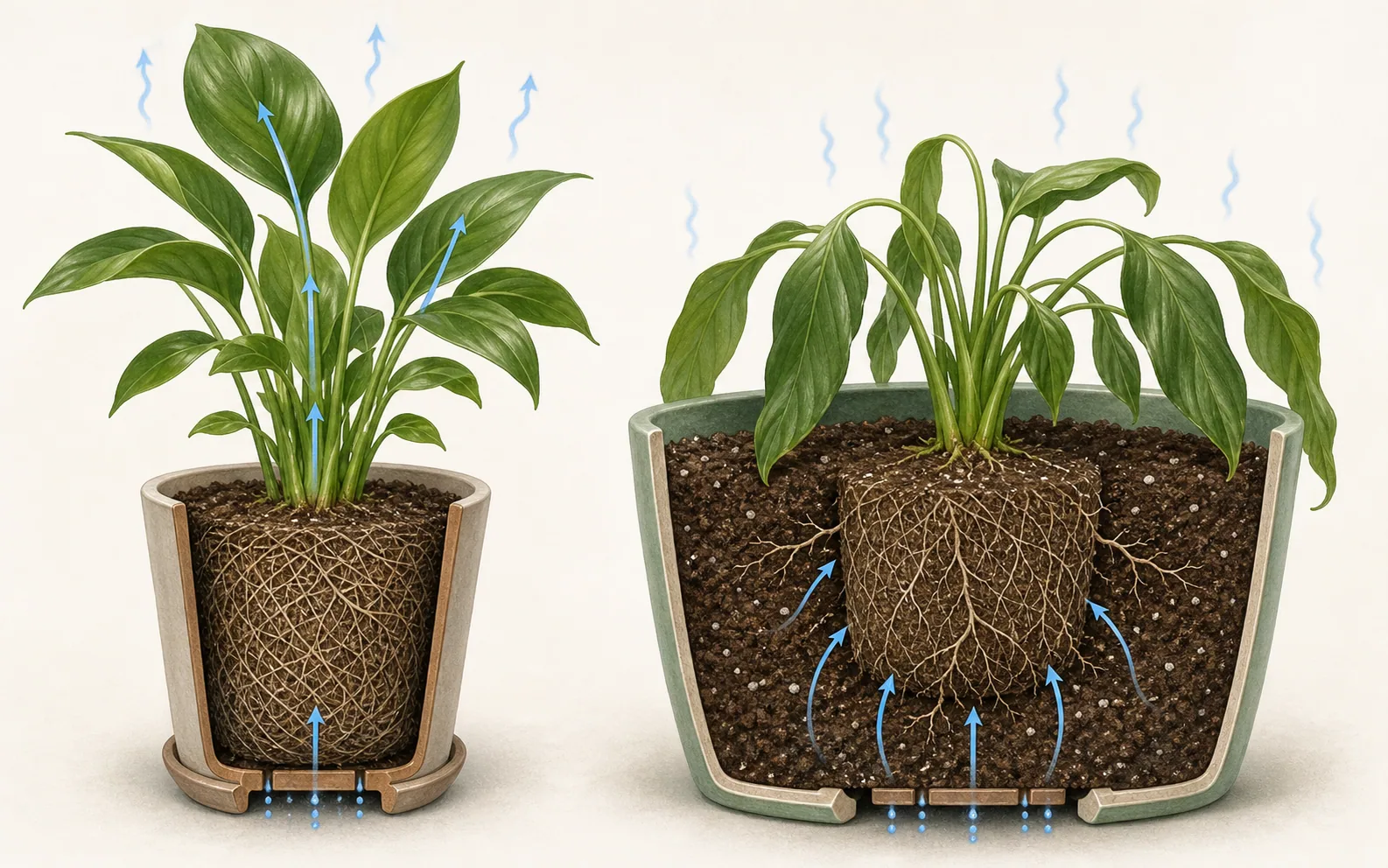
Teaching image for Why do potted plants get root rot? Why do potted plants get root rot?

Root rot in potted plants is often related to roots staying too wet and air-poor for too long. Learn how water, air, drainage holes, media aeration, and wilting leaves connect.

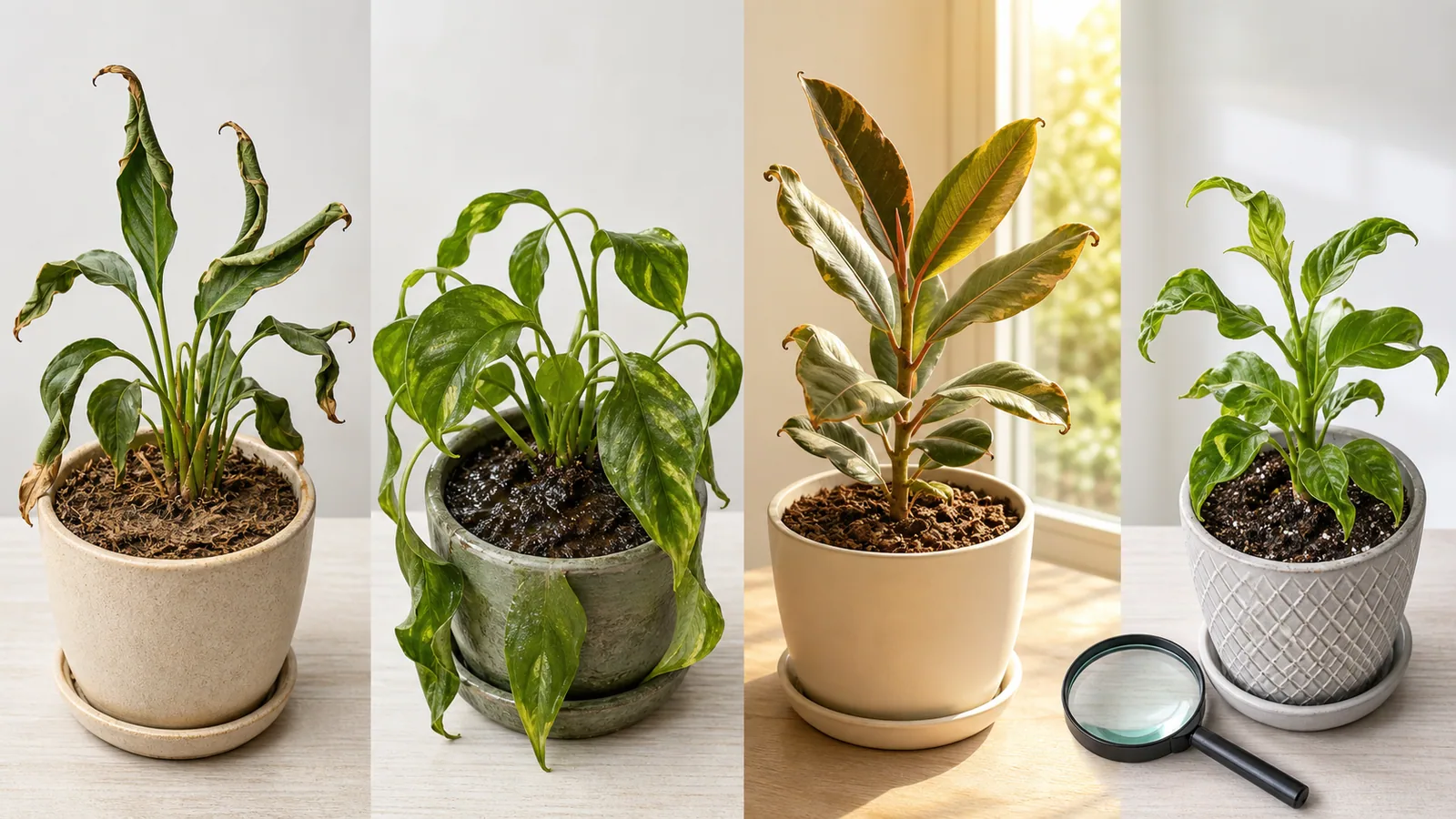
Teaching image for Why do plant leaves curl? Why do plant leaves curl?

Leaf curl does not have one single cause. Learn how dry media, over-wet roots, blocked water uptake, heat, strong light, dry air, and new-leaf distortion can be separated.

Teaching image for Why Do Houseplants Get Brown Leaf Tips? Why Do Houseplants Get Brown Leaf Tips?

Brown or crispy leaf tips are not always simple underwatering. Learn how water balance, dry air, heat, light, salts, and root problems can all show up at leaf tips and edges.

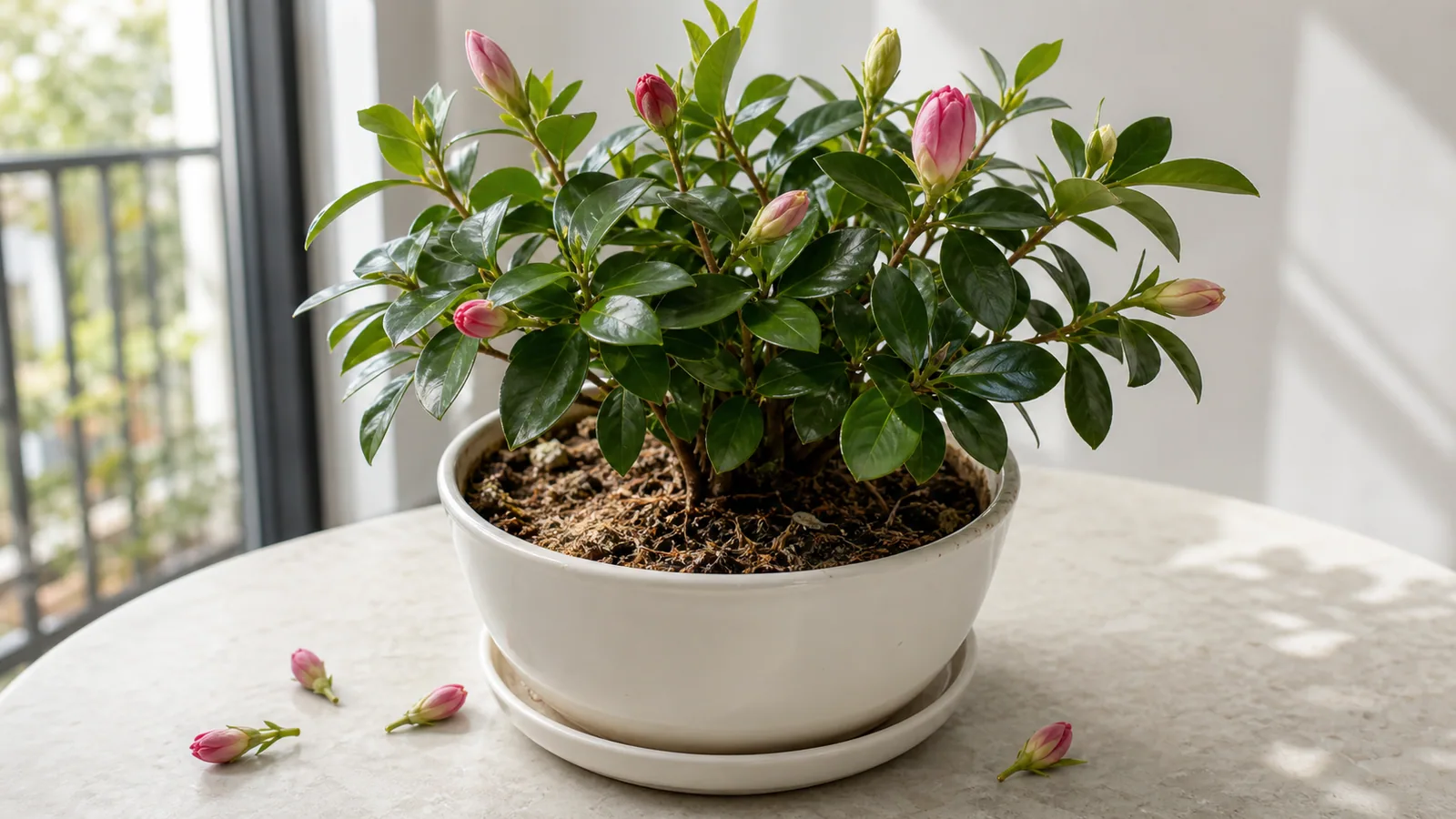
Teaching image for Why do flower buds drop? Why do flower buds drop?

Flower bud drop does not mean one single problem. Learn how water, light, temperature, humidity, roots, moving the plant, and bud development can interrupt flowering.

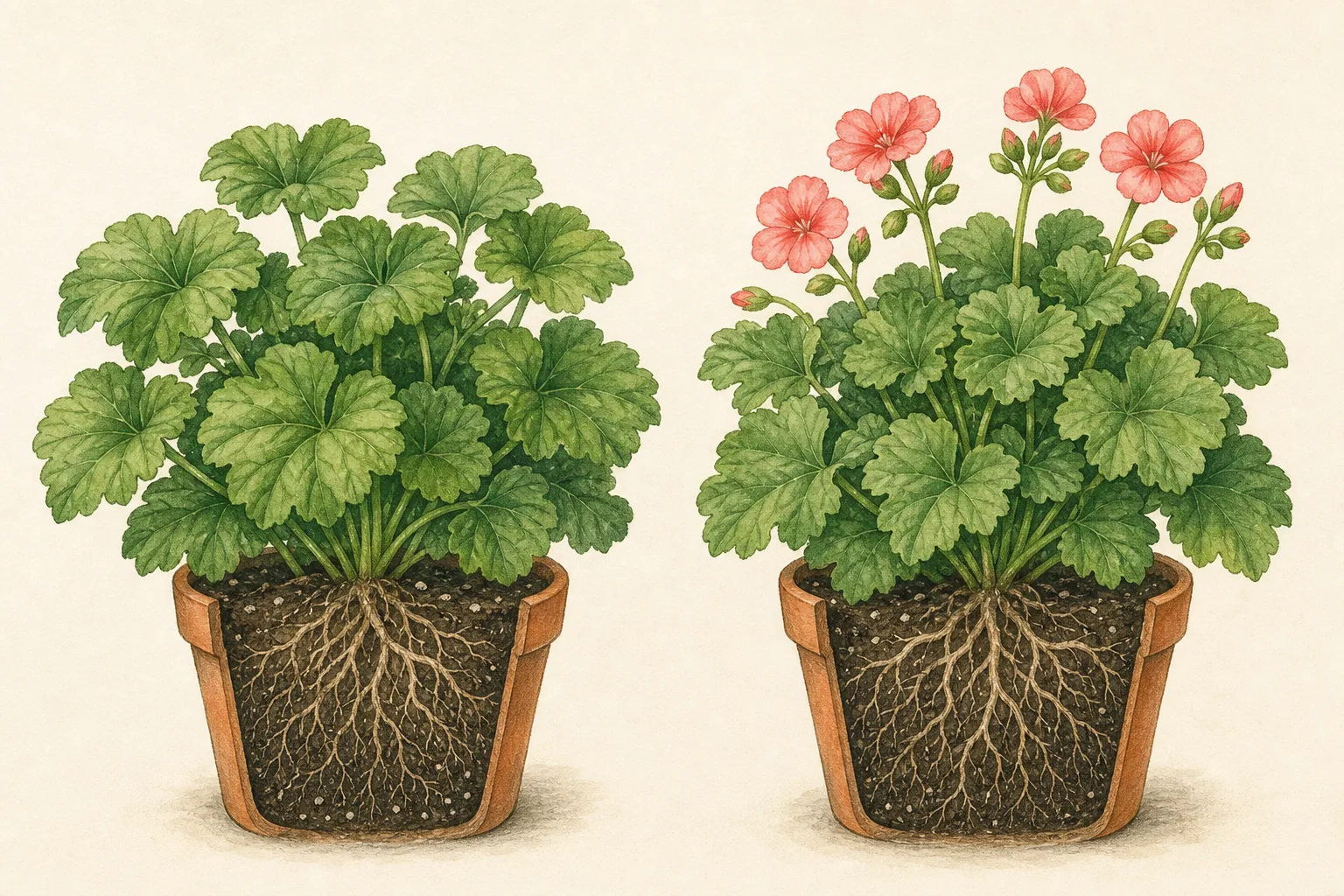
Teaching image for Why does a plant keep growing leaves but not flowers? Why does a plant keep growing leaves but not flowers?

A plant that keeps growing leaves but does not flower may still be in vegetative growth or may lack the right light, day length, temperature, root stability, water balance, or mineral nutrition.

Teaching image for Why Are My Plant's New Leaves Getting Smaller? Why Are My Plant's New Leaves Getting Smaller?

Smaller new leaves are not always a fertilizer problem. Learn how light, root space, watering rhythm, nutrients, season, and recent moves can affect new growth on houseplants.

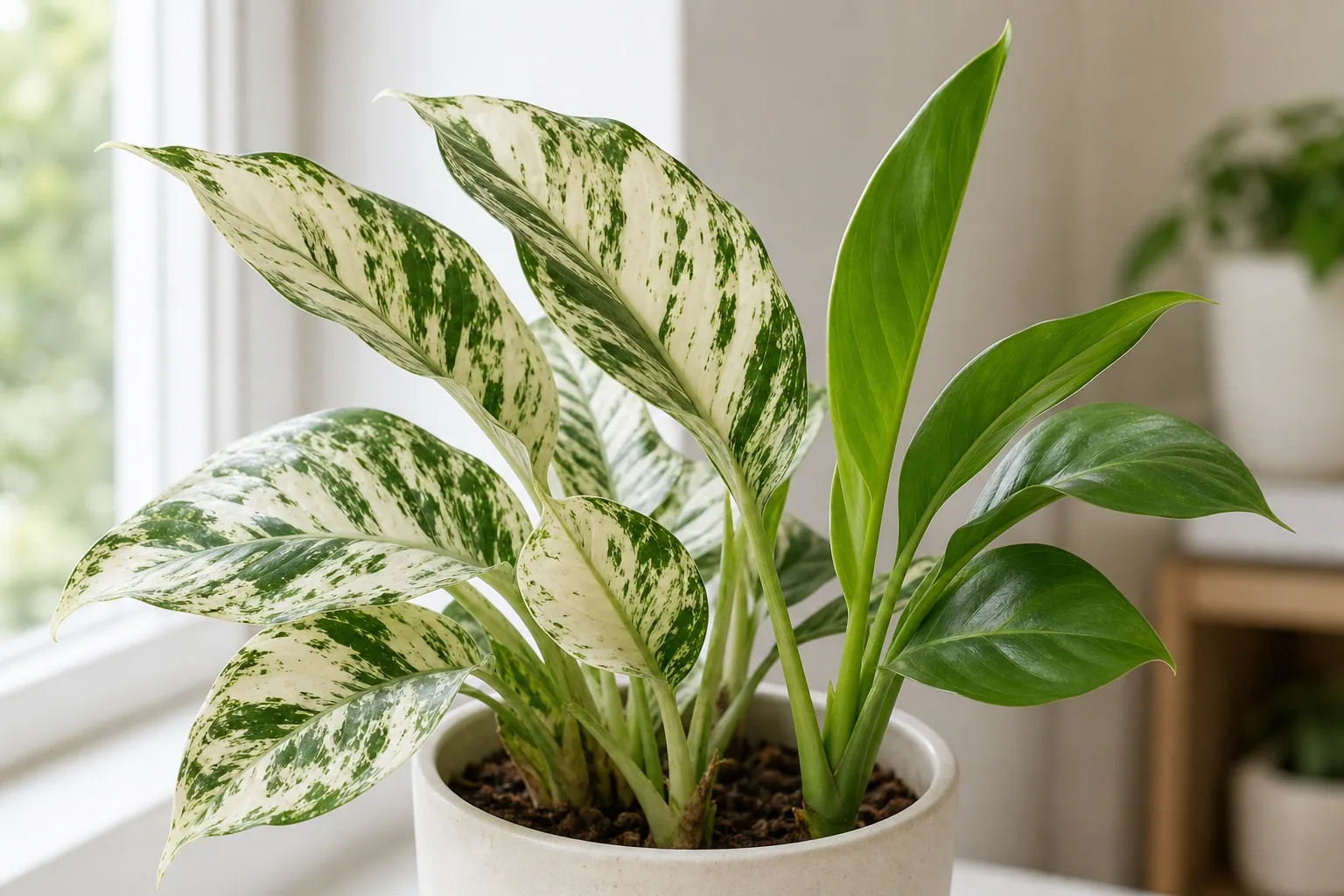
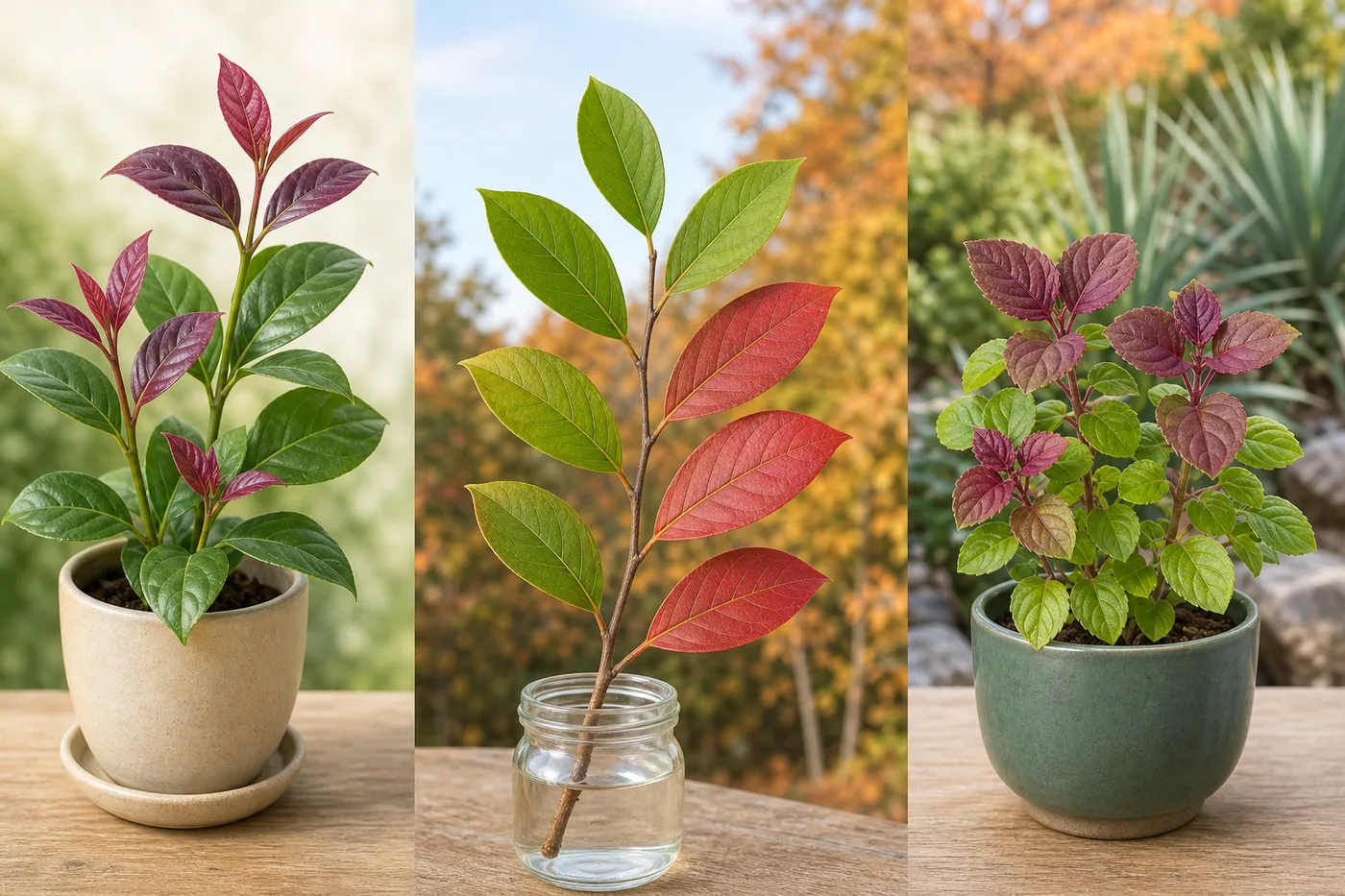
Teaching image for Why Do Variegated Plants Turn Green? Why Do Variegated Plants Turn Green?

Variegated plants may turn greener because of low light, stronger all-green shoots, chlorophyll differences, or unstable variegation. Learn how to read the signs without treating it as a one-cause problem.

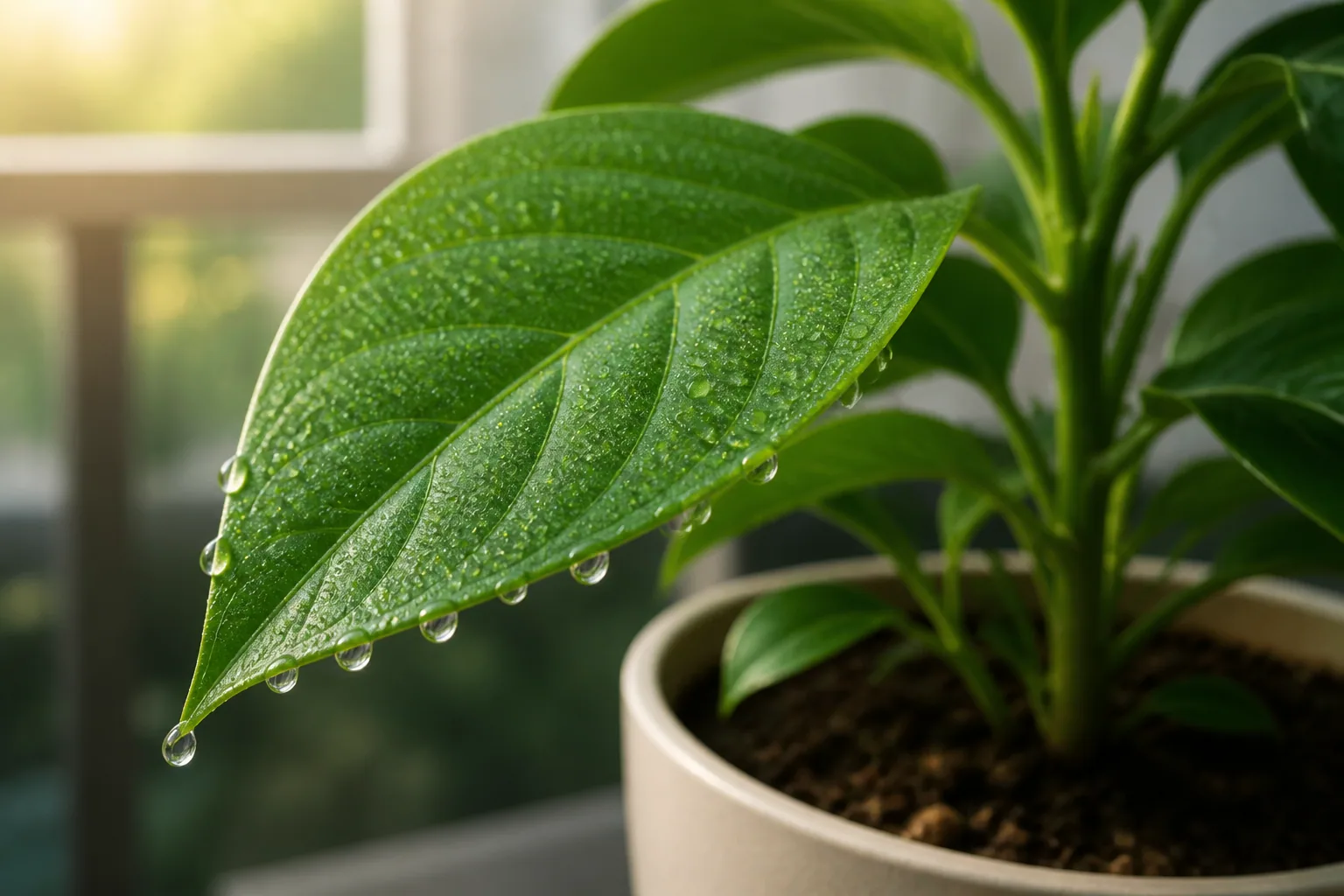
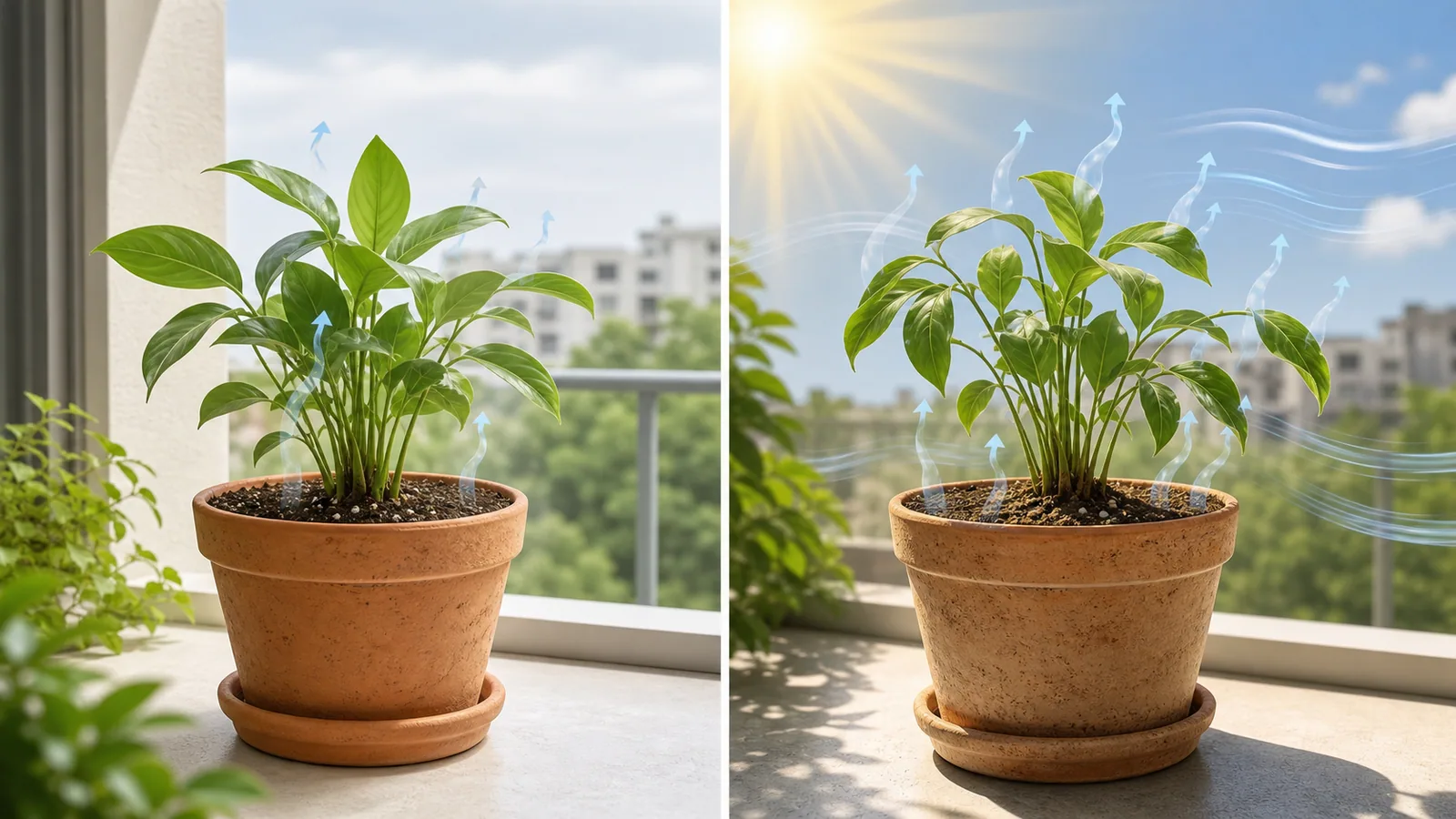
Teaching image for Why Are There Water Droplets on Plant Leaves? Why Are There Water Droplets on Plant Leaves?

Learn how to tell guttation from dew, condensation, rain, and misting residue, and why visible droplets are not the same as transpiration.

Teaching image for Why is my houseplant leaning toward the window? Why is my houseplant leaning toward the window?

A houseplant leaning toward a window often shows directional light response, not a single diagnosis. Learn phototropism, low-light clues, rotation, and what to observe.